

AI search referrals to top websites spiked 357% year-over-year in 2025, reaching over 1 billion visits. That number is only going up. If your Shopify store’s content is not structured for AI search, you are invisible to a growing share of shoppers who are finding products through tools like Microsoft Copilot, ChatGPT, Perplexity, and Google AI Overviews.
Traditional SEO still matters. But AI content optimization requires an additional layer of work. AI systems do not rank pages the way Google’s classic algorithm does. They parse your content into small, usable pieces and assemble answers from multiple sources. If your product pages and blog posts are not structured in a way that AI can read and extract from, they will not be included in AI-generated answers, regardless of how good the product actually is.
This guide covers exactly what AI content optimization means for Shopify merchants, how AI search selects content, and five practical steps you can take today to improve your store’s visibility in AI-generated search results.
Summary
Section 1: How AI search selects content and why it differs from traditional SEO
Section 2: Step 1: Structure your headings and titles for AI parsing
Section 3: Step 2: Write content in formats AI can extract directly
Section 4: Step 3: Use schema markup to help AI understand your pages
Section 5: Step 4: Write with semantic clarity and avoid common mistakes
Section 6: Step 5: Make your content snippable for AI answers
Section 7: SearchPie features that support your AI content optimization strategy
How AI Search Selects Content and Why It Differs From Traditional SEO
In traditional search, visibility meant appearing in a ranked list of links. In AI search, the process is fundamentally different. AI systems break your content down into smaller structured pieces through a process called parsing. Those pieces are then evaluated for authority and relevance and assembled into a single answer, often drawing from multiple sources at once.
This means AI content optimization is not just about keywords and backlinks. It is about making your content easy for machines to break apart, understand, and reassemble into a coherent answer for a shopper’s question. That shift in how selection works is what makes AI content optimization a distinct discipline from traditional SEO.
For Shopify merchants, this creates both a challenge and an opportunity. If your product pages and collection descriptions are structured correctly through proper AI content optimization, they can appear inside AI-generated shopping answers even when you do not rank number one in traditional search. If they are not structured correctly, AI systems will skip them entirely, even if the content is genuinely useful.
The core difference between traditional SEO and AI search optimization comes down to how content is processed:
Understanding this difference is the starting point for effective AI content optimization on your Shopify store.
Step 1: Structure Your Headings and Titles for AI Parsing
The first priority in AI content optimization is ensuring your page titles, H1 headings, and H2 subheadings clearly communicate what each section contains. AI systems use headings like chapter markers to identify where one idea ends and another begins. Without clear heading structure, even well-written content can be skipped during AI parsing.
Page titles should summarize exactly what the content delivers using natural language. For a product page, this means including the product type, key feature, and relevant context rather than relying on a product code or vague brand name.
H1 headings should closely reflect the page title while setting clear expectations for what follows. Consistent alignment between your title and H1 is a confidence signal for AI systems and a core requirement of good AI content optimization.
H2 and H3 subheadings define the content slices that AI can extract. A vague heading like “More Information” gives AI nothing to work with. A specific heading like “What Materials Are Used in This Product?” tells the AI system exactly what the content below it answers.
Before / After for AI content optimization headings:
Apply this heading structure across every product page, collection description, and blog post on your Shopify store. This is the most foundational step in AI content optimization because it determines whether AI can parse your content at all.
Step 2: Write Content in Formats AI Can Extract Directly
AI systems are much better at extracting content from structured formats than from long paragraphs of continuous text. For Shopify merchants, this means reformatting product descriptions and FAQ sections to use formats that support effective AI content optimization.
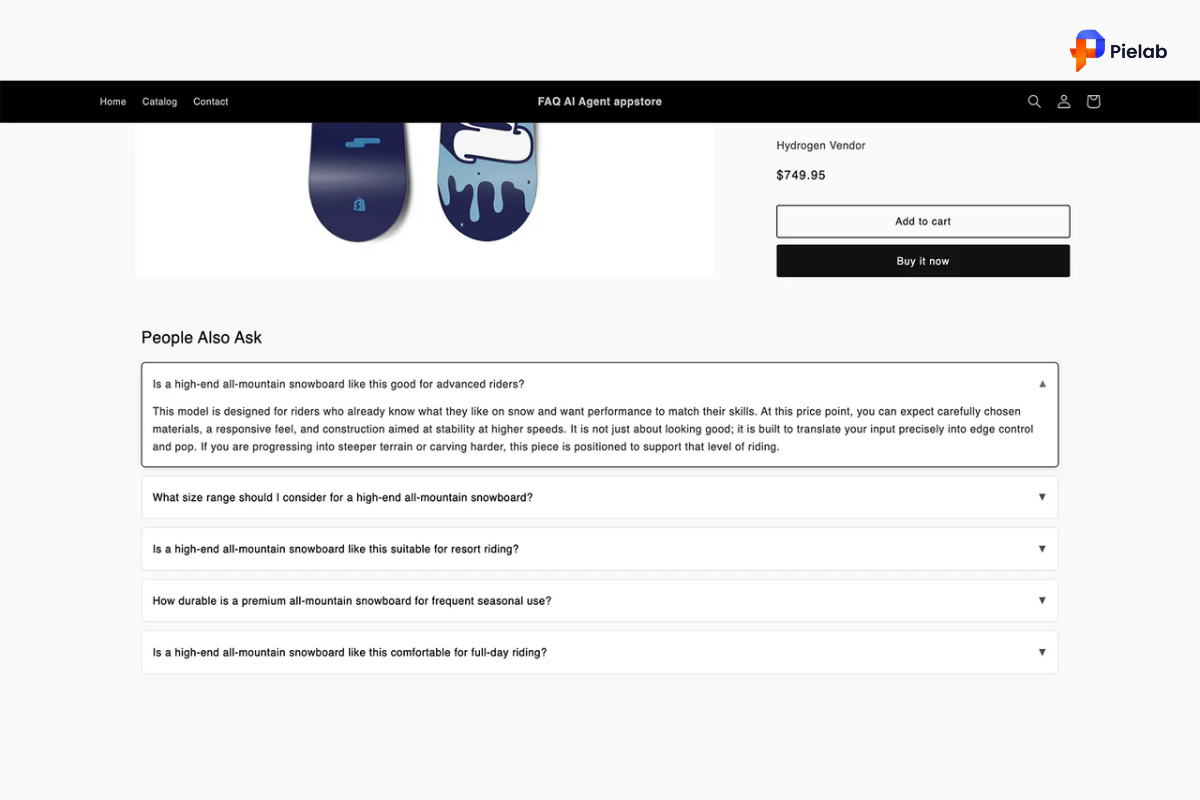
Q&A format is one of the most effective tools for AI content optimization. Direct questions with concise answers mirror the way shoppers search in AI tools. AI systems can often extract these pairs word for word into generated responses.
Example of effective Q&A format for a product page:
Q: Is this bag waterproof? A: Yes. The bag uses a waterproof nylon shell with sealed seams, rated for moderate rain exposure.
Bullet lists break complex product details into clean, reusable segments. They work particularly well for listing features, specifications, use cases, and shipping details. Each bullet should be a complete, self-contained statement rather than a fragment.
Comparison tables are powerful for AI content optimization because they structure information in a way AI can reference when answering comparison queries. A shopper asking “what is the difference between product A and product B?” is far more likely to get your content included in the answer if you have already structured that comparison in a table.
Content formats ranked by AI extractability:
What to avoid in AI content optimization: hiding important answers inside accordion menus, tabs, or expandable sections. AI systems often cannot render hidden content, which means key product details buried in a collapsed FAQ section may be completely skipped during parsing.
Step 3: Use Schema Markup to Help AI Understand Your Pages
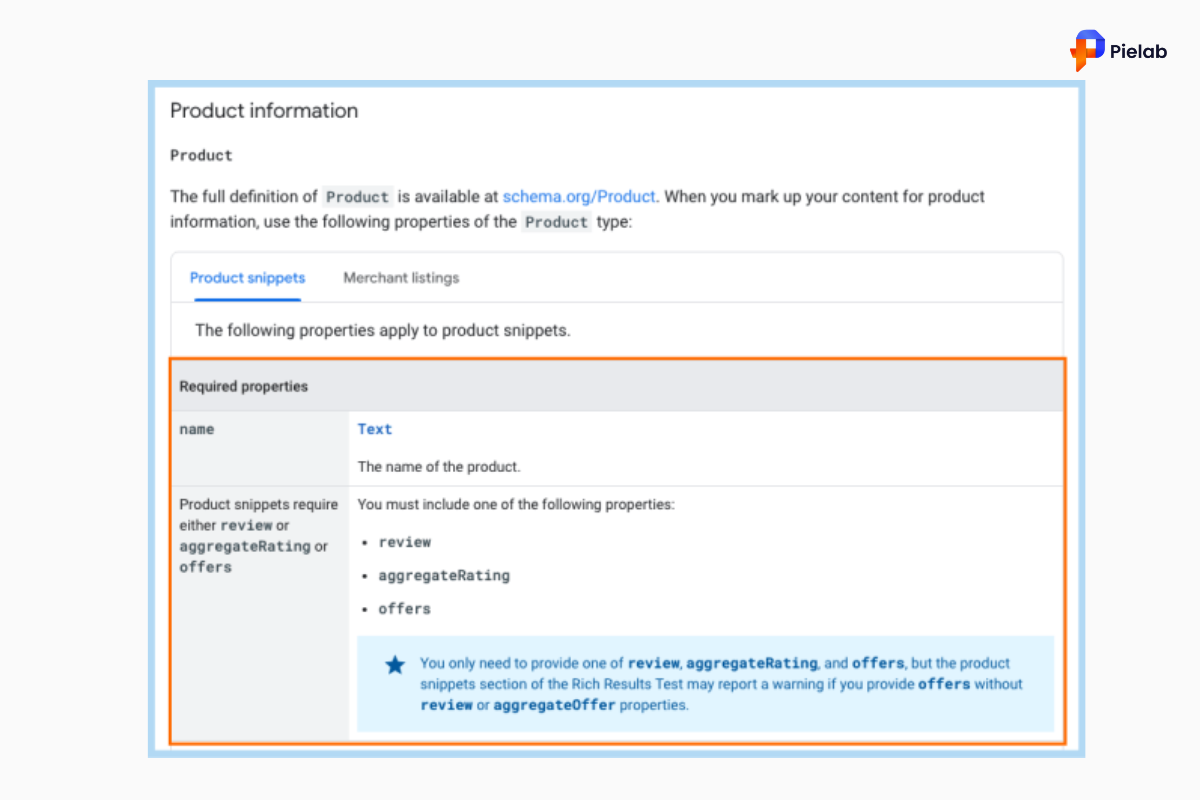
Schema markup is code that helps AI systems and search engines understand the context of your content. It labels your page as a product, a review, an FAQ, or a how-to guide, turning plain text into structured data that machines can interpret with confidence. Schema is one of the most direct technical steps in AI content optimization.
For Shopify merchants, the most important schema types are Product schema, FAQ schema, and Review schema. Product schema tells AI systems the name, price, availability, and key attributes of what you are selling. FAQ schema marks up question-and-answer pairs so AI can extract them for direct answers. Review schema surfaces star ratings in AI search results, which increases credibility.
Shopify themes include basic Product schema by default, but it is often incomplete. Missing fields like availability, material, or product category reduce the confidence AI systems have in your data and make your pages less likely to be selected for AI-generated answers.
Checking whether your schema supports your AI content optimization goals takes less than five minutes using Google’s Rich Results Test tool. Enter any product page URL and confirm that Price and Availability are visible in the output. If they are not, schema improvement is your next priority.
Step 4: Write With Semantic Clarity and Avoid Common Mistakes
AI systems do not just scan for keywords. They look for clear meaning, consistent context, and clean formatting. Vague or over-stylized content is harder for AI to classify as relevant, which reduces the chance of being selected for an AI-generated answer. Semantic clarity is the writing side of AI content optimization.
Write for intent, not just keywords. Use phrasing that directly answers the questions shoppers actually ask. Instead of describing a product as “our innovative solution for modern living,” say “a cordless vacuum designed for hardwood floors and tight corners.”
Anchor claims in specific facts. Terms like “eco-friendly,” “cutting-edge,” or “next-generation” mean nothing to an AI system without specifics. Replace vague descriptors with measurable details: “made from 100% recycled plastic bottles” instead of “eco-friendly materials.”
Add context to every product claim. A page that says “quiet operation” gives AI little to work with. A page that says “operates at 42 dB, quieter than a normal conversation” gives AI a specific, extractable fact it can surface in an answer.
Common writing mistakes that hurt AI content optimization:
Step 5: Make Your Content Snippable for AI Answers
Snippability is the final layer of AI content optimization. A snippable piece of content is one that makes complete sense even when pulled out of its original context and placed inside an AI-generated answer.
For Shopify merchants, snippable content that supports AI content optimization includes:
One-sentence product summaries that describe the product, its primary feature, and who it is for in a single clear statement.
Self-contained FAQ answers that provide a complete response without requiring the shopper to read surrounding content for context.
Feature bullets that each communicate a single, standalone fact about the product.
Policy statements that give a complete answer in two sentences or fewer, such as “We offer free returns within 30 days for all orders. Items must be unused and in original packaging.”
The test for snippability is simple: could this sentence or bullet point appear in an AI search answer and still make complete sense without any additional context? If yes, it passes the AI content optimization snippability test. If it requires surrounding paragraphs to make sense, it needs to be rewritten.
SearchPie Supports Your AI Content Optimization Strategy
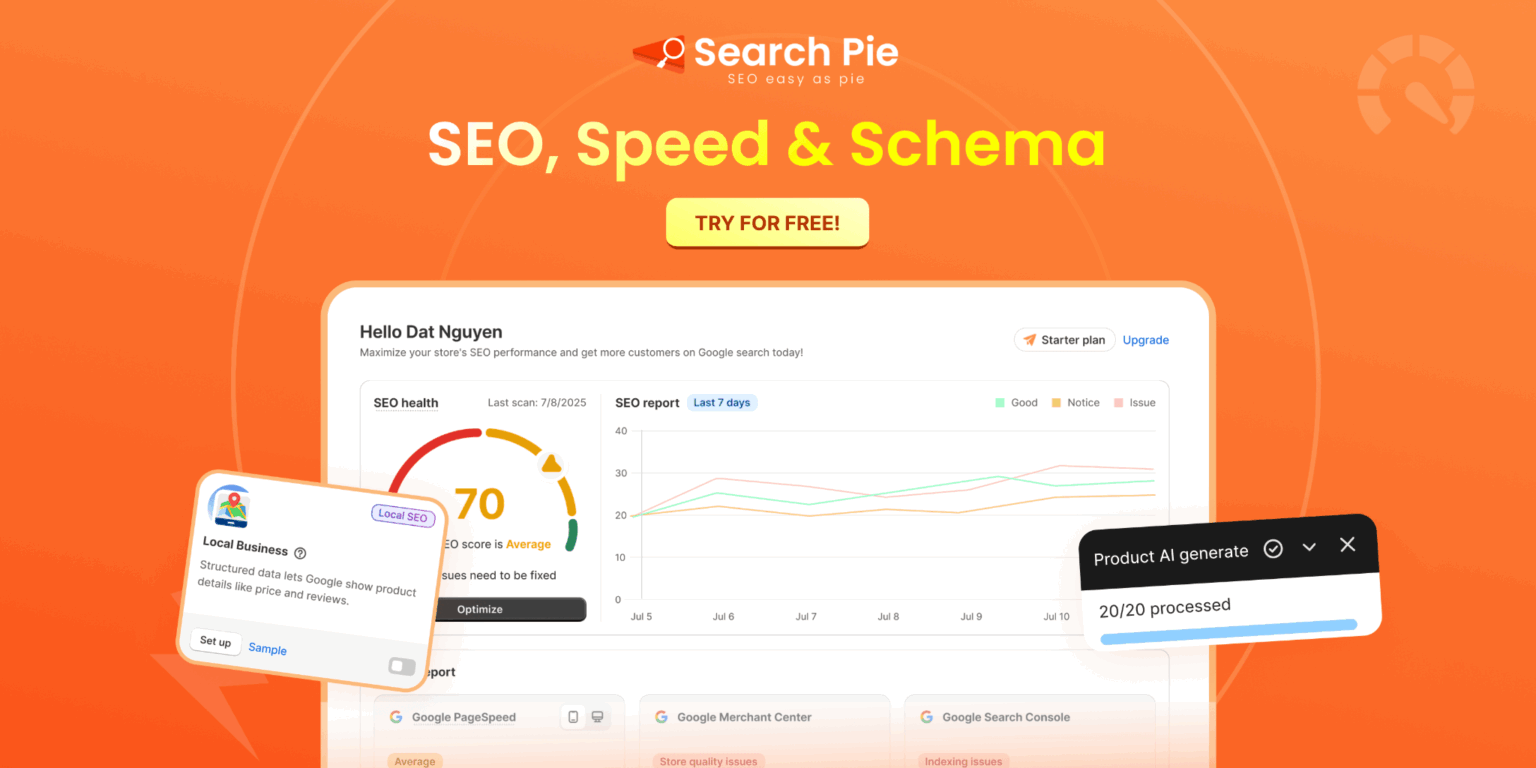
SearchPie is built specifically for Shopify merchants who want their store content to perform well in both traditional search and AI-powered search results. Its features directly address the requirements of modern AI content optimization.
Optimize for AI feature. SearchPie’s Optimize for AI feature helps you structure your product and collection page content so AI search tools can read, parse, and surface it in AI-generated answers. It audits your pages for the structured content signals that AI systems look for and provides specific recommendations for improving your AI content optimization across the full catalog. Instead of manually reviewing every product page for AI-readiness, SearchPie surfaces the gaps and prioritizes the fixes with the highest impact on your AI search optimization results.
Best for: Shopify merchants who want their product pages, collection descriptions, and blog content optimized for both traditional Google search and AI-powered search tools like ChatGPT, Copilot, Perplexity, and Google AI Overviews, without manually auditing each page.
Ready to make your Shopify store visible in AI-generated search answers?
The Missing Layer: Tracking Whether AI Traffic Actually Converts
Referrals from ChatGPT and Perplexity are growing fast, but standard analytics routinely misattribute them as direct traffic — leaving you with no reliable answer to the only question that matters. Apps like Zotek Facebook Pixel & TikTok Pixel address this directly with advanced event tracking that separates AI-source conversions from organic and paid traffic, so you can measure whether AI-referred shoppers behave differently and what their actual ROI looks like.
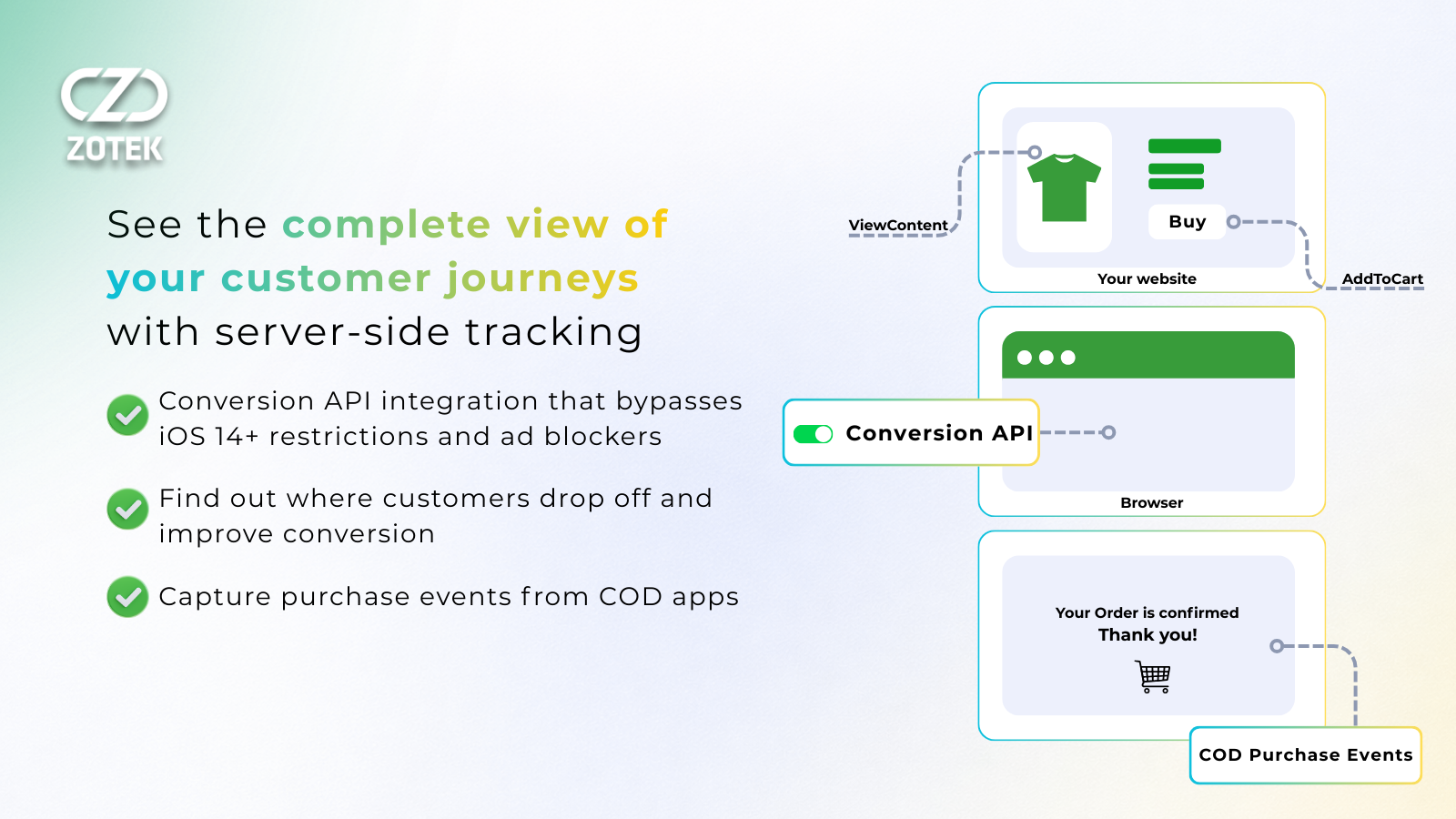
The privacy layer makes accurate tracking more urgent than most merchants realize. Browser-based pixels have become unreliable since iOS 14+ tightened signal loss across the Meta ecosystem. Conversion API (CAPI) routes purchase data server-side, bypassing browser restrictions entirely and ensuring no conversion goes unrecorded — regardless of device or OS. For stores investing in AI content optimization, missing conversion data from a high-intent traffic source is an expensive blind spot.
The complete stack looks like this: SearchPie structures your content so AI systems can discover and recommend it. Zotek captures what happens after the click. Getting found by AI is the first problem. Proving that visibility drives revenue is the second — and content optimization alone cannot solve it.
Interested in experiencing these features firsthand? Explore Zotek Facebook Pixel TikTok Pixel
FAQS
Use AI to research keywords, identify content gaps, optimize on-page SEO elements, improve readability, and generate content that aligns with search intent. AI can also help adapt content for AI search engines and AI Overviews.
AI content optimization is the process of using artificial intelligence to improve content quality, relevance, structure, and SEO performance so it ranks better in search engines and AI-powered search experiences.
Limy.ai helps streamline AI content optimization by analyzing search intent, improving content structure, and providing recommendations that increase visibility across both traditional search engines and AI search platforms.
Limy.ai uses AI-driven insights to identify content opportunities, optimize keyword placement, improve topical coverage, and help create content that is easier for AI systems to understand and surface.
Popular AI content optimization tools include Limy.ai, Surfer SEO, Clearscope, MarketMuse, Frase, and Jasper. The best choice depends on your goals, workflow, and budget.






Pingback: AI-Generated Content for Shopify: 4 Ways to Automate Your SEO Strategy - Brandignity