



Ahrefs and Semrush are two of the most popular SEO tools, but they serve different purposes. Ahrefs is best for backlink analysis and technical SEO, while Semrush offers a broader all-in-one marketing platform. The best choice depends on whether you need deep SEO insights or a complete digital marketing toolkit.
In this guide, we’ll compare Ahrefs vs SEMrush across features, pricing, and real use cases so you can quickly understand their differences and choose the tool that fits your workflow best.
Summary
- Ahrefs is best for backlinks and SEO-focused workflows
- Semrush is better for all-in-one marketing
- Both tools are powerful, but serve different use cases
- Choose based on your goals, not features alone
What To Know About Ahrefs vs SEMrush In General?
Pricing & Feature Comparison Table Ahrefs vs SEMrush
Which Tool Is Better: Ahrefs or Semrush?
If you’re deciding between Ahrefs and Semrush, the best choice depends on how you plan to use the tool in your SEO or marketing workflow.
Choose Ahrefs if:
- You focus heavily on backlink building and competitor link analysis
- You need highly accurate SEO data and keyword difficulty insights
- You prioritize technical SEO and organic search performance
Choose Semrush if:
- You want an all-in-one platform for SEO, PPC, and content marketing
- You manage multi-channel campaigns across search, ads, and social media
- You prefer a more guided, beginner-friendly interface with built-in tools
In real-world usage, many SEO professionals rely on both tools to cover different aspects of their strategy. However, if you need to choose one, Ahrefs is the better option for SEO-focused work, while Semrush is more suitable for broader digital marketing needs.
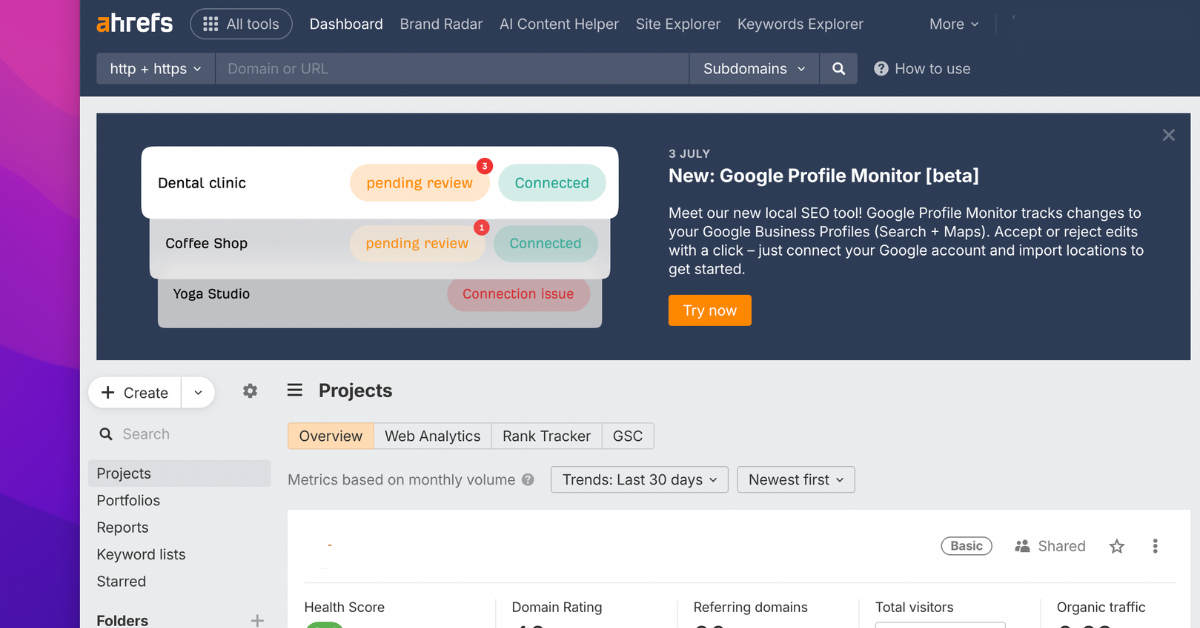
Ahrefs Basic Understanding: A user-friendly interface with well-organized dashboards
Ahrefs is one of the most trusted all-in-one SEO tools available, widely used by marketers, content creators, and SEO professionals. Known for helpful suggestions, it provides deep insights into your site’s link profile, competitor analysis, and keyword opportunities.
Its clean interface and prompt-based tool access make it approachable for beginners, while still offering deep analysis for experts. Its core tools (Site Explorer, Keywords Explorer, and Site Audit) are useful from content planning and technical SEO. By upgrading to paid plans, users gain access to data and pro features – a key reason why it’s favored by seasoned marketers looking to boost website traffic.
SEMrush Basic Understanding: A full-featured, professional interface for SEO users
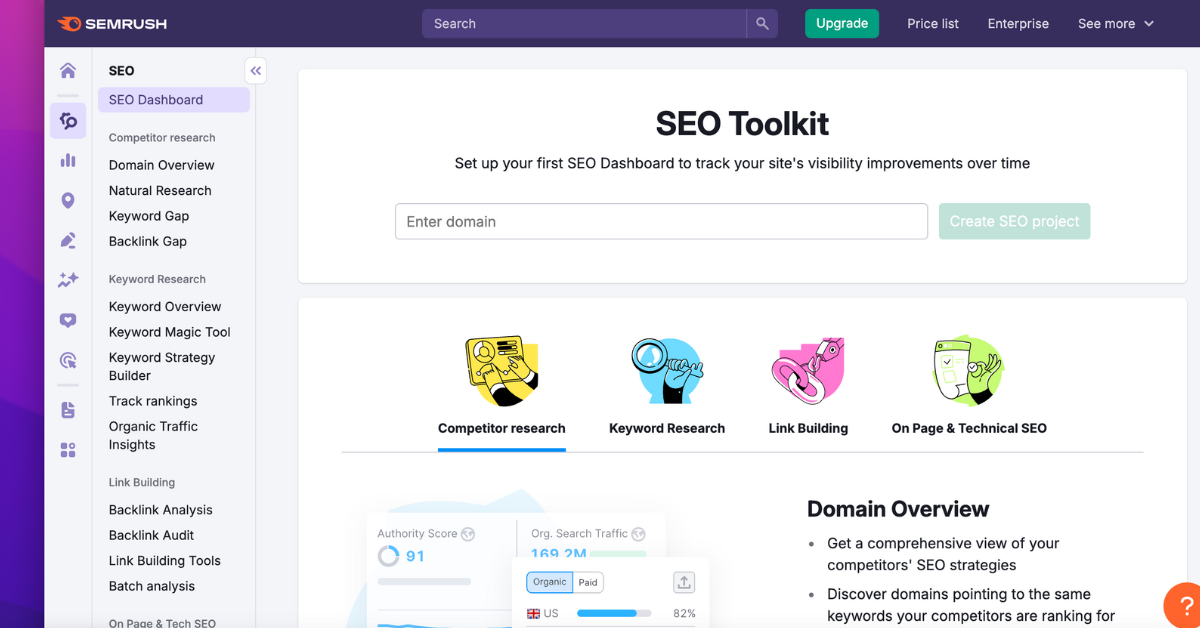
SEMrush positions itself as a professional integrated digital marketing suite. While Ahrefs tends to concentrate on backlinks and SEO website content focus, SEMrush expands beyond organic search with robust tools for PPC research, social media tracking, local SEO, and content marketing workflows. It offers deeper integrations with Google Ads, Google Business Profile, and even includes a built-in SEO Writing Assistant – features especially useful for agencies or businesses managing multiple channels.
SEMrush’s interface can be complex at first. However, it provides detailed reporting, automation options and a wider feature set, making it a powerful all-in-one solution for users who need more than just SEO.
What Are The Differences of Ahrefs vs SEMrush In Terms Of Core Focus?
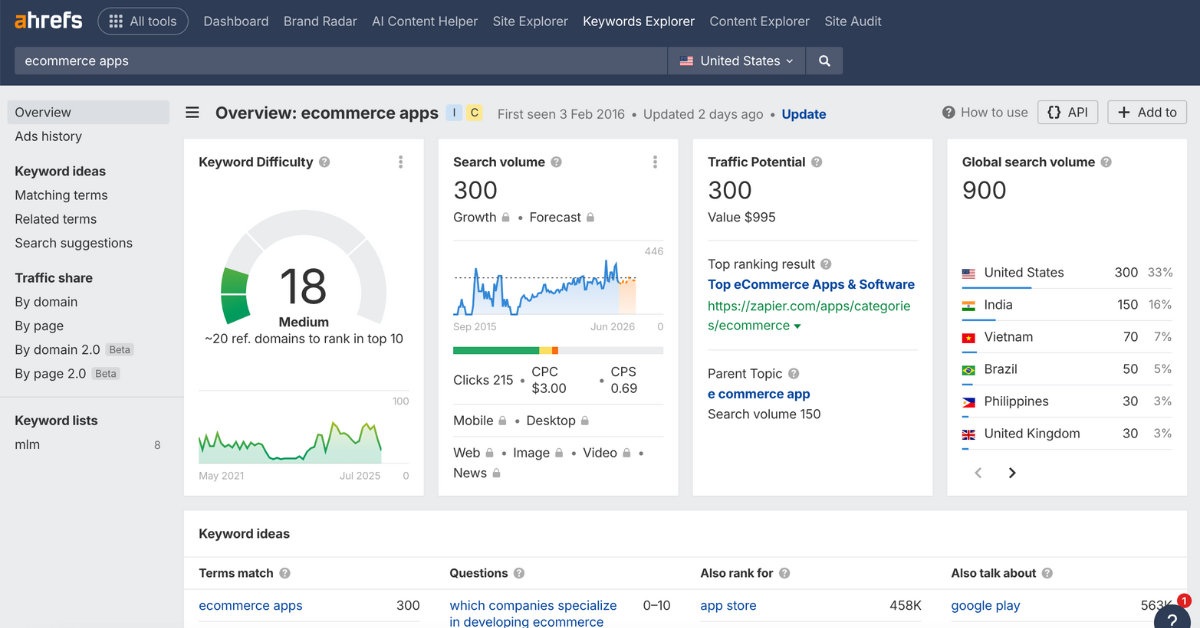
Ahrefs is most useful for analyzing backlink audits, spotting link gaps, and evaluating keyword difficulty with clarity. It focuses heavily on SEO and provides strong support tools to help with that. Everything was streamlined for researching, tracking and improving organic search visibility.
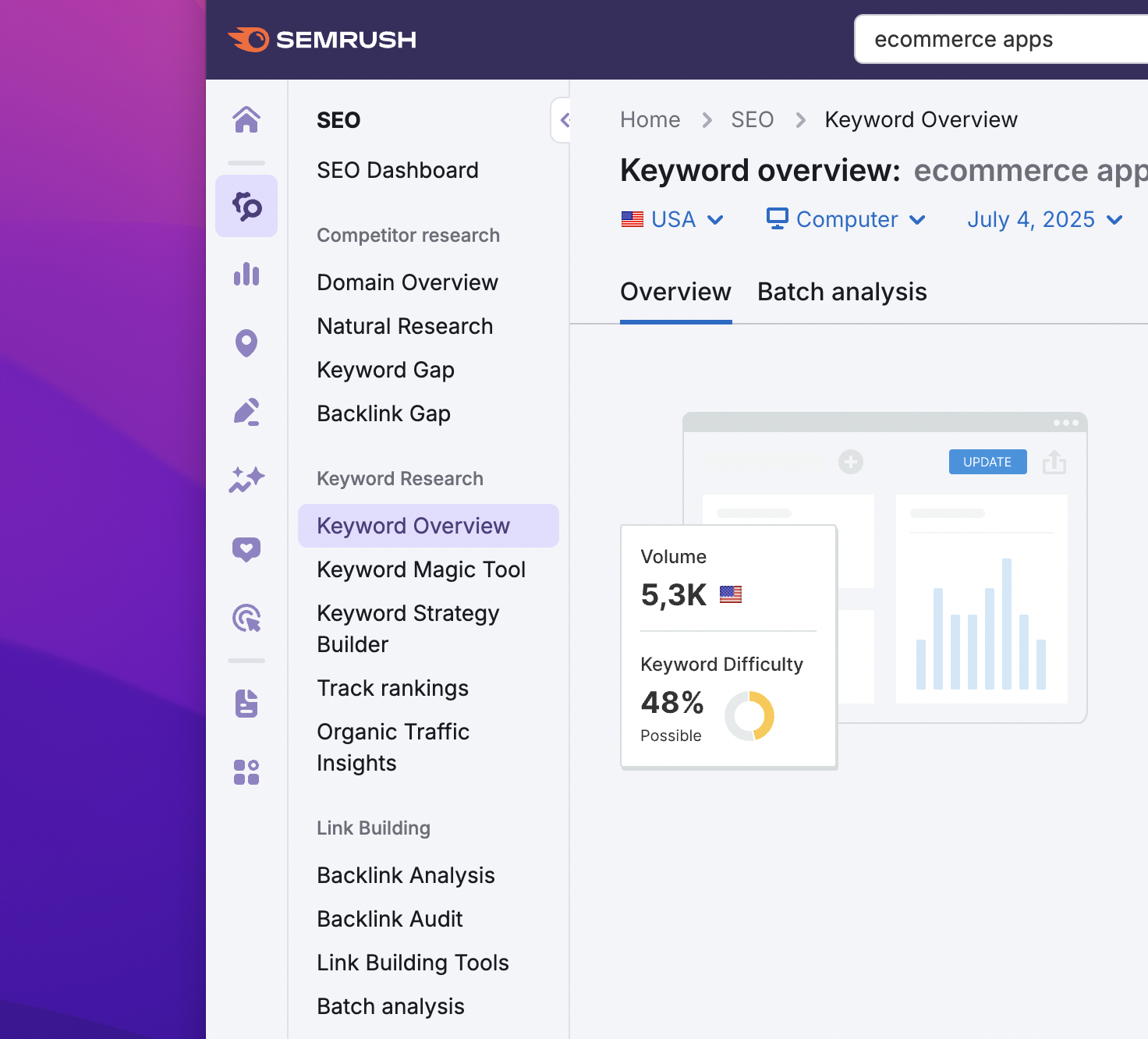
SEMrush, on the other hand, felt more like a marketing control center. Beyond SEO, you can also use it for paid search campaigns, schedule social posts and even do competitor benchmarking across multiple channels.
Noted: To compare Ahrefs vs SEMrush, if you’re seeking for an SEO tool for deep analysis and focused research, then Ahrefs is likely the right fit for you. On the other hand, if you’re looking for a platform that combines multiple aspects of digital marketing (from SEO to PPC, content, and social) – then SEMrush might be the more versatile choice.
For Shopify merchants aiming to optimize their websites alongside tools like Ahrefs and SEMrush, SearchPie can be a highly suitable solution tailored to ecommerce needs. SearchPie is an all-in-one SEO app built specifically for Shopify. It offers a comprehensive set of features – from keyword optimization and technical SEO audits to on-page improvements and speed enhancements. What sets it apart is its use of AI-powered automation to streamline tasks like meta tag generation, image optimization, and structured data setup.
Additionally, merchants benefit from 1-on-1 SEO expert support, offering hands-on guidance and tailored strategies to help you improve your site’s search engine visibility. With a clear mission to help businesses climb search rankings, SearchPie has built a strong track record. Backed by thousands of positive reviews and user feedback, it stands out as a reliable and user-friendly option for merchants at all levels.
What Are The Differences of Ahrefs vs SEMrush In Terms Of Backlink Database, Keyword Research and Site Audit?
1. Backlink Database: Ahrefs Takes the Leads
In real-world SEO workflows, Ahrefs is often used for backlink analysis and keyword validation, while Semrush is used for campaign management, reporting, and multi-channel marketing. This is why many agencies rely on both tools together.
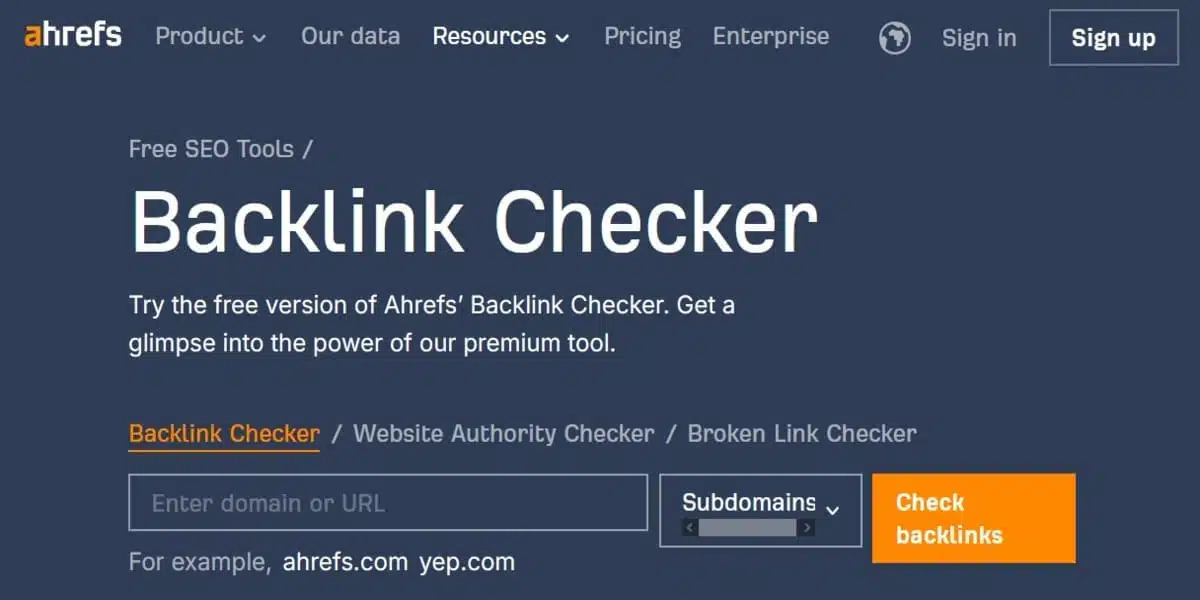
From our experience, one of the first things that stood out was the difference in how Ahrefs and SEMrush handle backlink data.
When we used Ahrefs for backlink analysis, the experience felt incredibly focused and reliable. The interface is clean. The data loads quickly. It shows you exactly what you need without being too complicated – like referring domains, anchor texts, types of the best backlinks and link growth trends. In our experience, it’s easier to track lost or broken links in Ahrefs. The historical data also feels more detailed and transparent. For link equity, Ahrefs has consistently been the more accurate and easy-to-use option.
2. Keyword Research: Where SEMrush Excels
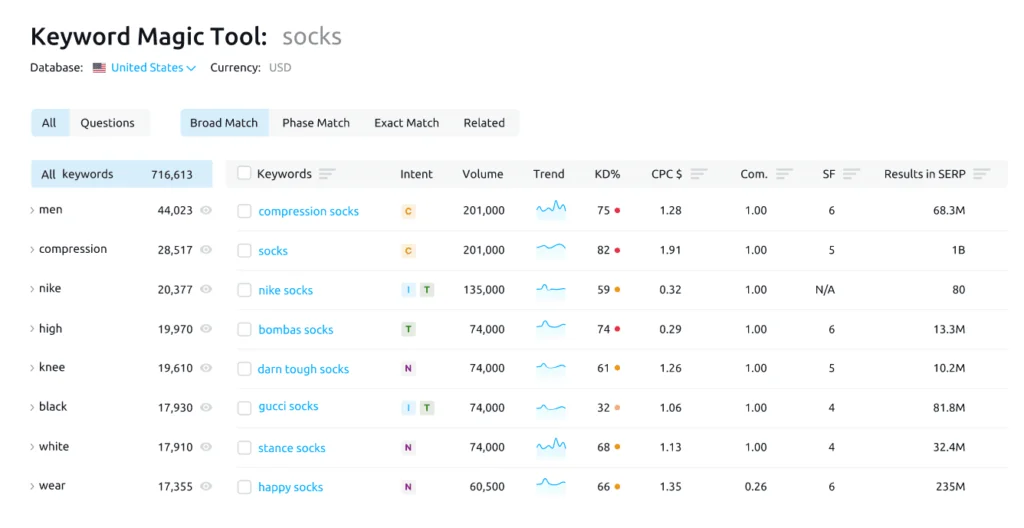
When it comes to keyword research in Ahrefs vs SEMrush, the experience shifts slightly. SEMrush offers a broader view – not just keyword ideas and volumes, but also advanced filters, intent classification, and competitive gaps.
Consequently, we find SEMrush especially helpful when building content plans for clients, especially when looking at related keywords, trends, and what competitors were ranking for across entire domains. The Keyword Magic Tool was especially useful for more structured, filterable insights. That said, Ahrefs’ keyword data felt slightly more aligned with organic difficulty scoring, so we leaned on it more when prioritizing which keywords were realistically attainable.
3. Site Audits: SEMrush Shines
As for site audits, this was where SEMrush surprised all of the users.
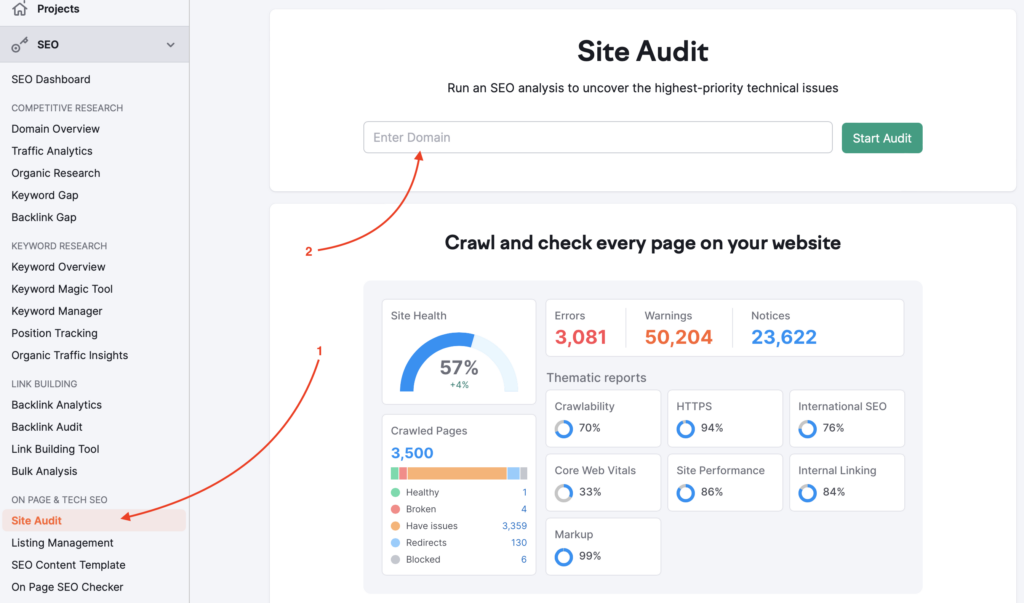
The technical SEO dashboard is thorough, visual, and even a bit more beginner-friendly as expected. We appreciated the way SEMrush breaks down issues by category – crawlability, HTTPS, Core Web Vitals – and even suggests fixes in plain language.
Ahrefs, while solid, felt more technical and compact, which is appropriate for quick overviews, but it is recommended that users should return to SEMrush when we need a more comprehensive audit with visual priority tags and progress tracking over time.
Ahrefs vs SEMrush Differences: Content Tools
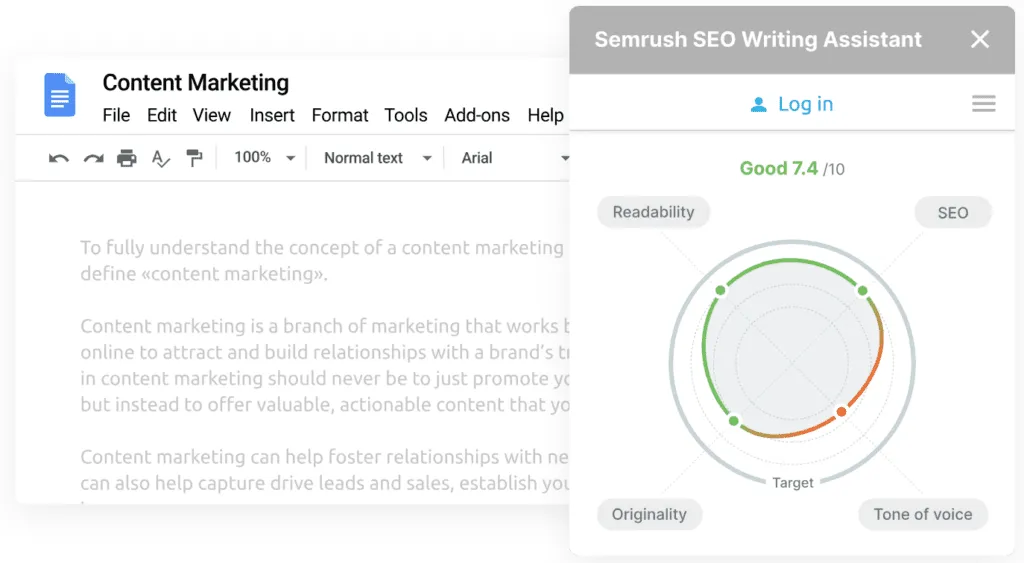
In terms of content tools, SEMrush is recorded to be far more versatile. When we’re drafting content strategies or working with clients on blog outlines, their SEO Content Template and SEO Writing Assistant come in really handy. The suggestions are practical – from readability and tone to recommended keywords – and it integrates easily with Google Docs, which is a huge time-saver. SEMrush shows how top competitors use the same keyword, so we can plan content with clear direction. Honestly, for content-focused projects, SEMrush feels like a mini content marketing hub.
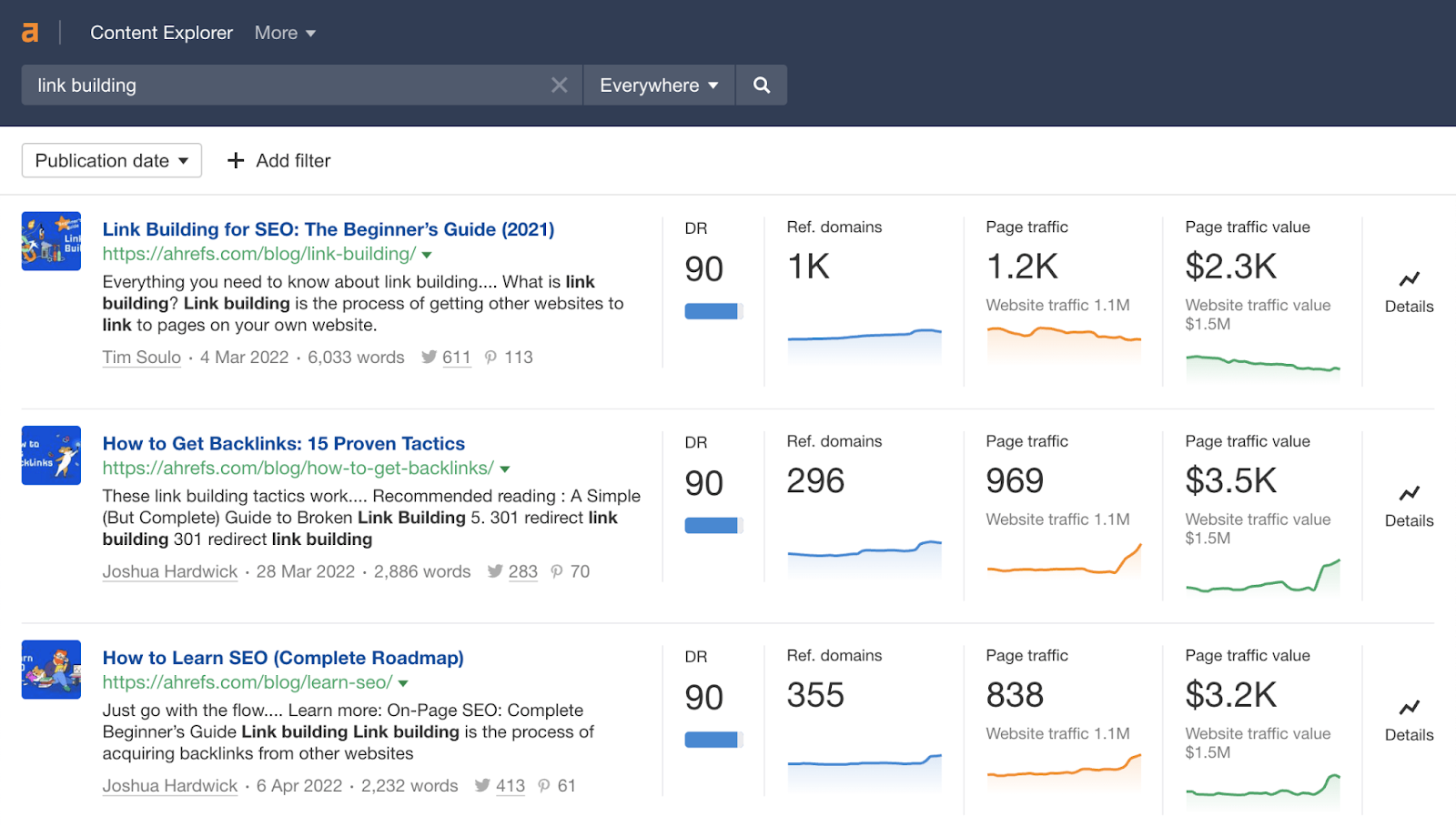
Ahrefs, on the other hand, takes a more data-first approach. Its Content Explorer is great when finding high-performing content in a niche or seeing which pages are earning the most links. We often use it to validate ecommerce content marketing or check if a topic has link-worthy potential. However, it doesn’t offer in-editor optimization tools like SEMrush does, so Ahrefs tends to have more for inspiration and research rather than the actual writing process.
What Are The Differences of Ahrefs vs SEMrush In Terms Of Pricing Plan?
When it comes to pricing, Ahrefs and SEMrush offer different structures that cater to varying user needs. Ahrefs starts at $129/month (Lite), which is slightly more affordable than SEMrush’s entry plan at $139/month (Pro). However, the main difference lies in how features are offered. Ahrefs uses a credit-based system to limit access to features like site audits, keyword tracking, and content explorer, which can be flexible but also confusing for new users. In contrast, SEMrush follows a feature-tiered system, where higher plans unlock more specific tools such as the Content Marketing Toolkit or API access.
Ahrefs does not offer a fully-featured free trial (with only limited previews) while SEMrush provides a 7-day free trial with a credit card. At the higher end, SEMrush’s Business plan costs $499/month, making it one of the most expensive tools in the market. Ahrefs’ top-tier Advanced plan is slightly cheaper at $449/month but still a significant investment.
Conclusion
In 2026, choosing between Ahrefs and Semrush is less about which tool is better and more about how you plan to use it. If your focus is SEO performance and backlink data, Ahrefs is the better choice. If you need a complete marketing platform that includes SEO, PPC, and content tools, Semrush is the more versatile solution.
We hope this article helped you out! If you found it useful, feel free to share it with your network – it might help someone choose between Ahrefs vs SEMrush more confidently!
FAQs
Neither tool is universally better. Ahrefs excels in backlink analysis and SEO data, while SEMrush provides a broader marketing toolkit including PPC, social media, and content tools.
Yes. Ahrefs starts at $129/month, slightly cheaper than SEMrush’s $139/month entry plan, though both tools offer similar mid-tier pricing.
No. Each platform has its own crawler and database, which means backlink counts, keyword difficulty, and traffic estimates can vary between tools.
For Shopify merchants focused on SEO and backlinks, Ahrefs is often preferred. If you need SEO, PPC, and marketing analytics in one platform, SEMrush may be the better choice.
Yes, but Ahrefs is generally easier for beginners, while SEMrush offers more advanced features that may require a learning curve.











Pingback: Technology in Digital Marketing: Promising Future! - Tecuy Media
Pingback: Technologie in digitale marketing: belofte toekomst! | Schaatskrant.nl