
If you’ve ever seen an influencer post about a product they “just received” and genuinely love – that’s product seeding in action.
In 2025, this strategy has become one of the most effective (and affordable) ways for eCommerce brands to build awareness, collect user-generated content (UGC), and drive organic sales. Whether you’re a small Shopify store or a growing brand, product seeding can help you build relationships that go far beyond paid ads.
In this article, we’ll cover:
- What product seeding really means and why it matters now
- How it works (step by step)
- Real-world examples and data
- When product seeding might not be the right fit
- How to integrate it with your Shopify SEO and marketing strategy
- A checklist to get started
What Is Product Seeding?
Product seeding means sending free products to influencers, creators, or potential brand partners – with no upfront payment – hoping they’ll use, review, or share them with their audience. Product seeding is a key part of a broader content seeding strategy that helps brands reach new audiences through authentic creator content.
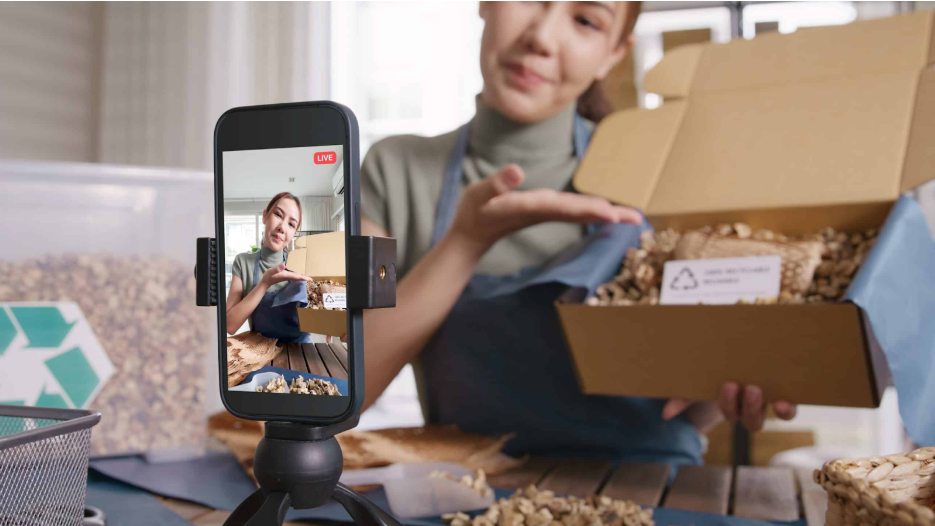
It’s also called influencer gifting. Unlike traditional influencer campaigns, where you pay for content, seeding focuses on relationship-building and authentic exposure.
How It Differs From Traditional Influencer Marketing
Think of it as planting seeds – some will grow into loyal partnerships, brand advocates, and valuable UGC that keeps generating attention long after the first post.
Real-World Examples from Ecommerce Brands
1. MVMT Watches – Building Influence Through Authentic Relationships
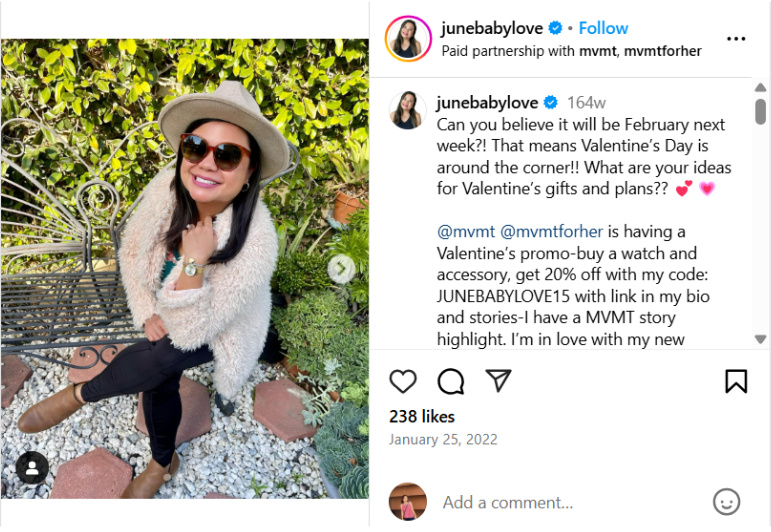
MVMT Watches, famous for its minimalist and stylish designs, used product seeding to kickstart and scale its influencer marketing program.
Ethan Frame, MVMT’s former influencer marketing manager, focused on finding creators whose aesthetic aligned naturally with the brand’s clean and modern look. Instead of running paid partnerships from the start, he personally reached out to creators, sent them a free watch, and nurtured genuine relationships over time.
Once creators received and loved the product, they organically shared photos wearing the watches with their audiences – no pressure, no script, just authentic storytelling.
This “gift first, build trust later” approach allowed MVMT to grow from a small startup into one of the most recognized watch brands born online, powered largely by influencer-generated content.
Key Takeaway:
Focus on finding creators who already match your brand’s style. Give without expecting immediate returns – authentic posts from real fans drive stronger long-term impact than one-off paid campaigns.
2. GoPro – Empowering Creators to Capture Adventure

GoPro has become a household name by putting its product directly into the hands of the people who use it best – adventure and travel creators. Its compact, mountable cameras are perfect for extreme sports, travel vlogs, and action-packed footage.
Instead of relying on traditional ads, GoPro builds visibility through product seeding and partnerships with real athletes and content creators. For example, during the Natural Selection Tour in Jackson Hole, Wyoming, four of the 24 top riders were part of the GoPro Snow team, each equipped with cameras to film their breathtaking runs.
The result: GoPro didn’t just sponsor the event – it generated viral, high-quality user content that showcased the product’s value in the most authentic way possible.
Key Takeaway:
Give your products to creators who can naturally demonstrate them in real use. When influencers genuinely love using your product, they become your best storytellers – creating shareable content that feels real, not promotional.
3. Glossier – Turning Fans Into a Community
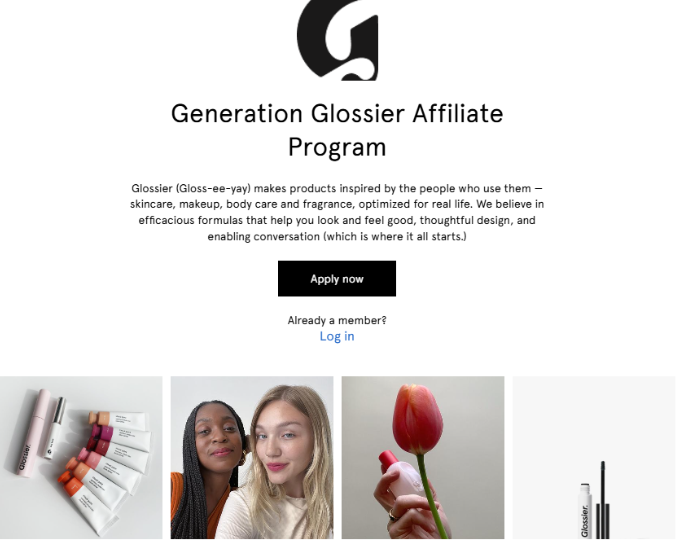
Glossier built its early success by sending new beauty products to loyal fans and micro-influencers who already loved the brand. Many of these recipients naturally shared their experiences online, creating authentic buzz and ongoing content that fueled Glossier’s growth.
Today, the brand continues that approach through its Generation Glossier Affiliate Program – a mix of product seeding, early access, and creator collaboration. Instead of paying for one-time promotions, Glossier focuses on building genuine relationships with people who truly connect with its products and values.
This strategy has helped Glossier turn everyday fans into long-term brand ambassadors – proving that authentic advocacy still outshines paid hype.
Key Takeaway:
Think of product seeding as a two-way relationship, not a one-time transaction. When you invest in people who genuinely love your brand, their enthusiasm becomes your most powerful marketing tool.
Benefits of Product Seeding
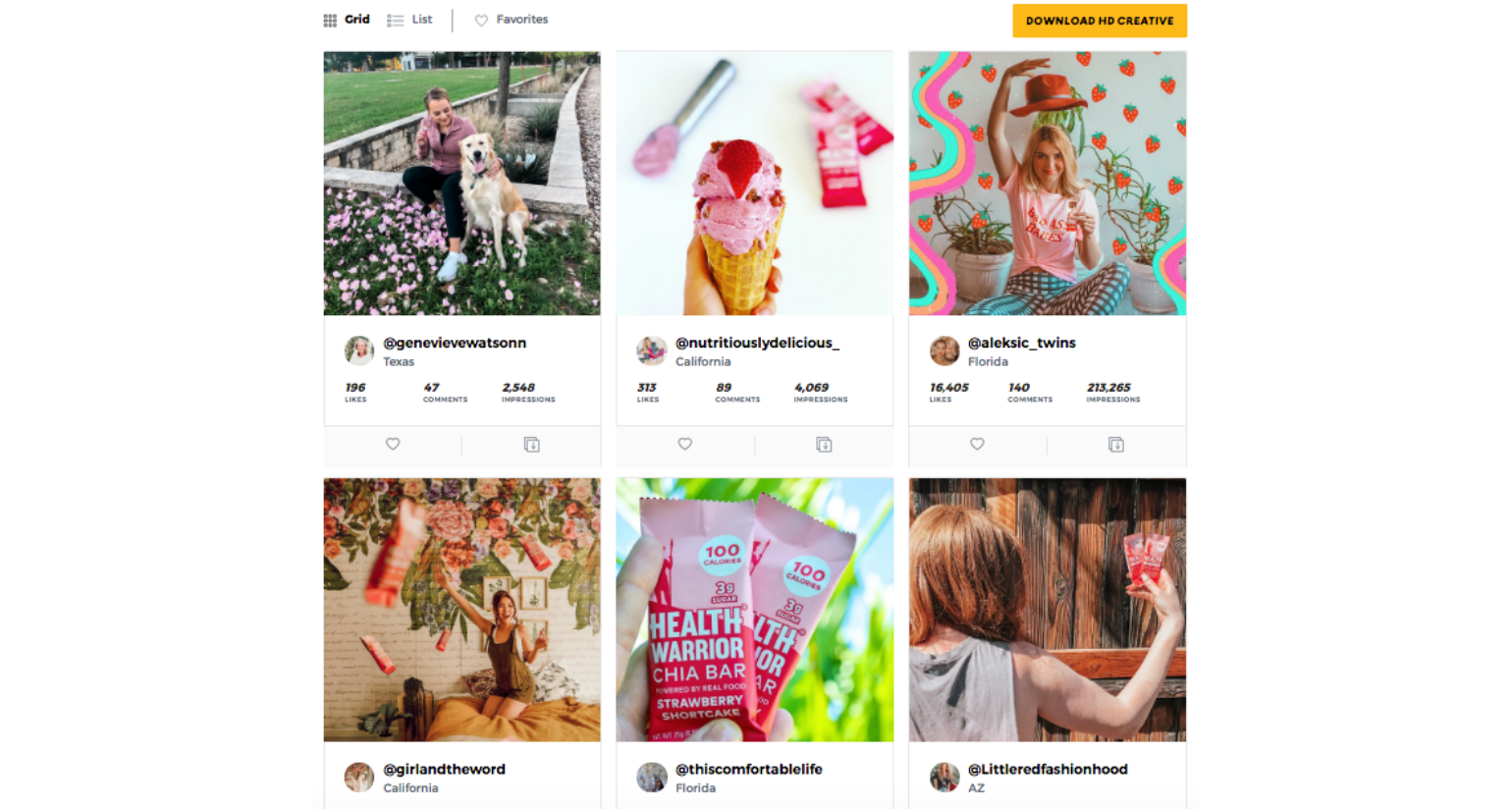
Product seeding offers real, measurable value for online stores – not just brand awareness.
1. Authentic Promotion
People trust peer recommendations more than ads. When an influencer shares your product voluntarily, it feels real – and that builds credibility fast.
2. Cost-Effective Marketing
Sending a few free products can cost far less than paid campaigns – yet bring similar reach and better engagement.
3. Content Creation
Every gifted product can turn into new photos, videos, and testimonials you can reuse across your Shopify store, ads, and email campaigns.
4. Long-Term Relationships
Seeding opens the door to future collaborations. Some of your best paid influencers may come from successful gifting relationships.
What the Numbers Say
Recent data backs this up:
- In 2025, 73% of brands say they prefer working with micro- and mid-tier influencers because they deliver better engagement-to-cost ratios, despite spending less of their budget in this segment.
- Research shows micro-influencers may generate up to 60% more engagement than larger influencers, making them a cost-effective option for brands.
- In a recent survey, about 80% of marketers reported that influencer gifting (sending free product) was ROI-positive for their brand.
In short – product seeding isn’t just about sending freebies. It’s about planting the seeds of trust, authenticity, and scalable content for your brand.
When Product Seeding Might Not Be the Best Fit
Although powerful, product seeding doesn’t work for every store.
Here are a few cases where it may not deliver strong ROI:
1. High-Ticket or Custom Products
If your product costs $300+ or requires customization, seeding may be too expensive or complicated.Instead, consider affiliate or loan programs where influencers test products temporarily.
2. Low-Margin Businesses
If your profit margin is below 20%, gifting can quickly eat into your budget.In this case, focus on paid collaborations with clear deliverables or affiliate programs that pay per sale.
3. No Follow-Up Strategy
Sending gifts without tracking results or maintaining contact wastes potential relationships.
You should always plan a follow-up message, track UGC, and nurture influencers who engage.
How Product Seeding Works (Step-by-Step)
Here’s a clear roadmap to plan and run your seeding campaign.
Step 1: Find the Right Influencers
Use tools like TikTok Creator Marketplace, Instagram search, or influencer platforms such as Aspire, Grin, or Upfluence.
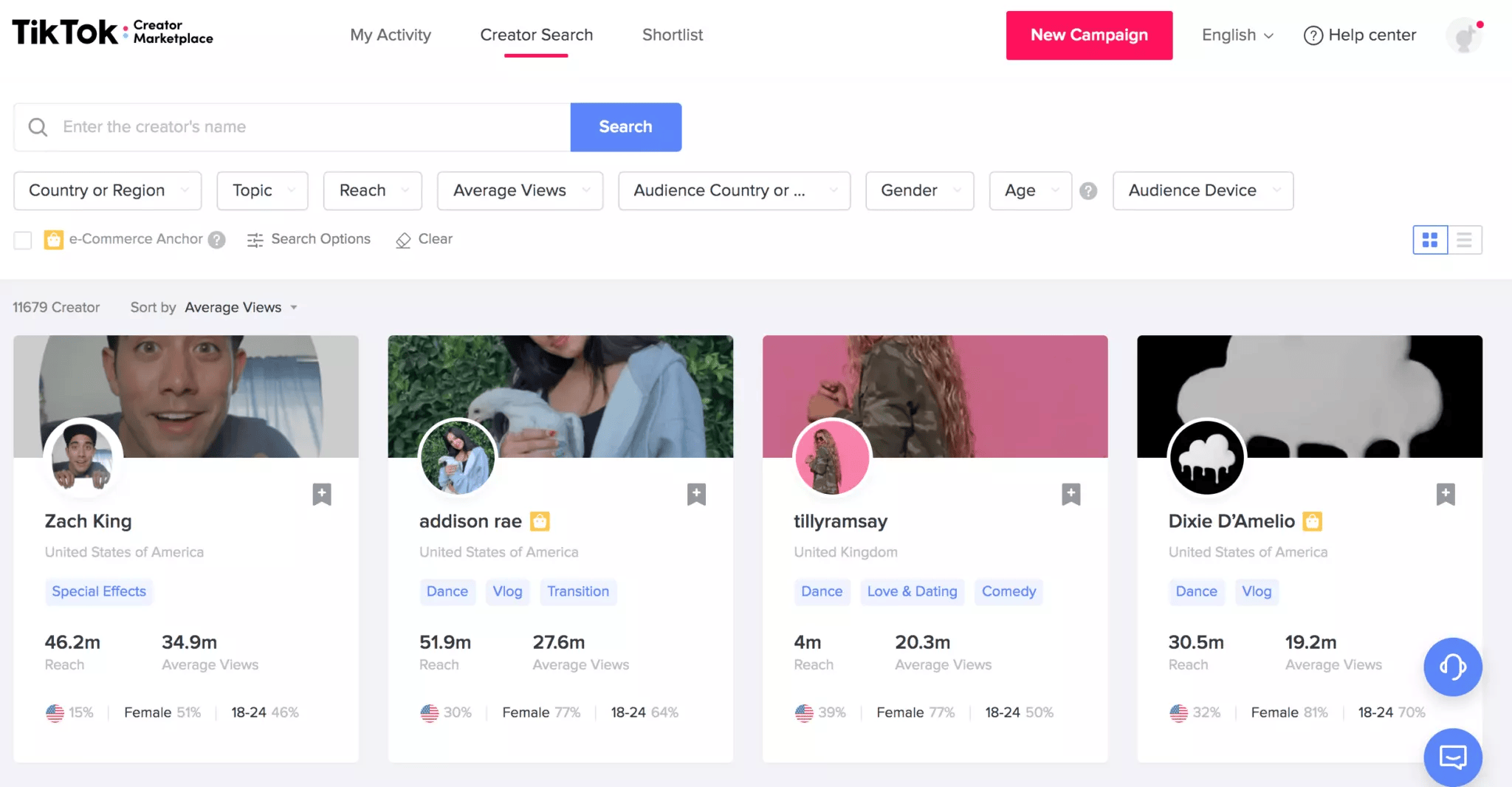
Focus on:
- Engagement rate (2-5% is healthy)
- Audience fit (demographics, niche, tone)
- Content quality (photo/video style)
Tip: Micro-influencers with 10k-50k followers often deliver better ROI than large creators.
Step 2: Build Genuine Relationships
Reach out with a short, personal message. Avoid “template” DMs.
Example:“Hey [Name], we love your content about [topic]. We think you’d enjoy trying our . Would you like us to send you one as a gift?”Your tone should be friendly, not pushy.
Step 3: Send the Gift (and Make It Special)
Include a short handwritten note or a personalized thank-you card. The goal is to make them want to share it.
Pro tip: Add your hashtag, social handle, and Shopify link on the card so it’s easy to tag your brand.
Step 4: Track Results & Repurpose Content
Use a tracking spreadsheet or CRM to monitor who received, posted, or engaged with your product.
Then, repurpose that content:
- Add photos or videos to product pages
- Use reviews in your store schema
- Share UGC in newsletters or retargeting ads
Don’t forget: UGC improves your SEO when you use it in alt text, product descriptions, or structured data. You can showcase influencer UGC more effectively by enhancing your product pages with Shopify rich snippets to highlight reviews and social proof in Google results.
Integrating Product Seeding with Your Shopify SEO Strategy
This is where most brands miss an opportunity. Seeding isn’t just for social media – it can power your organic search growth too.
1. Turn UGC into SEO Assets
Use influencer photos and videos on your product pages (with permission). Add relevant keywords in captions, filenames, and alt text. This strengthens your on-page SEO and makes your store look authentic.
2. Leverage Reviews & Testimonials
Add gifted influencer feedback as testimonials or quotes. Schema markup (like Review or Product) helps search engines display rich results.
You can easily implement this with tools like SearchPie: SEO, Speed & Schema – which automatically adds structured data to highlight your products in Google results.
3. Track Traffic from Social UGC
Add UTM parameters to influencer links so you can measure referral traffic in Shopify Analytics. You’ll see which creators drive the most visits and conversions.
4. Repurpose Seeding Content for Blog SEO
Turn top influencer posts into blog articles like:
- “Top 10 Looks Styled by Our Community”
- “How [Influencer Name] Uses Our Product in Daily Life”
This not only builds SEO but also deepens your brand storytelling.
Smart Ways to Scale Product Seeding
Once you’ve validated your strategy, here’s how to take it to the next level:
- Automate Outreach: Use influencer-management tools or spreadsheets with filters by niche or platform.
- Segment Influencers: Separate micro-influencers, macro-creators, and loyal customers into different tiers.
- Run Mini Campaigns: Create seasonal themes – “Summer Style Seeding” or “New Year Fitness Kit.”
- Track Engagement Metrics: Focus on shares, saves, and comments – not just follower counts.
And remember: successful seeding comes from genuine relationships, not one-time gifts.
Quick Checklist: How to Start Product Seeding for Your Shopify Store
Conclusion
Product seeding has evolved far beyond “sending freebies.” In 2025, it’s a strategic, data-driven way to grow your brand visibility, collect authentic content, and strengthen your Shopify SEO.
By combining influencer gifting with SEO best practices – like UGC optimization and structured data – you can turn each seeded product into lasting organic growth. Start small, track your results, and keep nurturing your influencer relationships. Every seed you plant today could grow into your strongest brand advocate tomorrow.