
Most people know they want to build something of their own. They just do not know where to start. The good news is that launching the best online business for your situation has never been more accessible, and Shopify makes it easier than almost any other platform to get from idea to first sale.
The bigger question is not whether you should start. It is which Shopify business idea fits your skills, budget, and goals. This guide covers 10 of the most profitable online business models available today, with practical advice on which one to choose and what to sell on Shopify to make it work.
Summary
Section 1: Product vs service businesses and how to choose
Section 2: 10 proven Shopify business ideas with pros, cons, and startup costs
Section 3: How to market your online business without wasting money
Section 4: SearchPie features that help your Shopify business grow faster
Product or Service Business, Which Is Right for You
Before picking from the best online business ideas below, decide which model suits you. Every online business falls into one of two categories.
Product-based businesses sell physical or digital items. They can be highly profitable but often involve upfront costs for inventory, manufacturing, or storage. Margins can be thin if you are not careful about pricing and customer acquisition costs.
Service-based businesses sell your time, skills, or expertise. They have almost no startup costs and can be launched with nothing more than a phone and a portfolio. The trade-off is that your income is tied directly to your hours.
Understanding where you sit before choosing your Shopify business idea saves months of wasted effort. Pick the model that matches your current resources, not the one that sounds most exciting in theory.
10 Best Online Business Ideas for Shopify in 2026
1. Sell Handmade Products
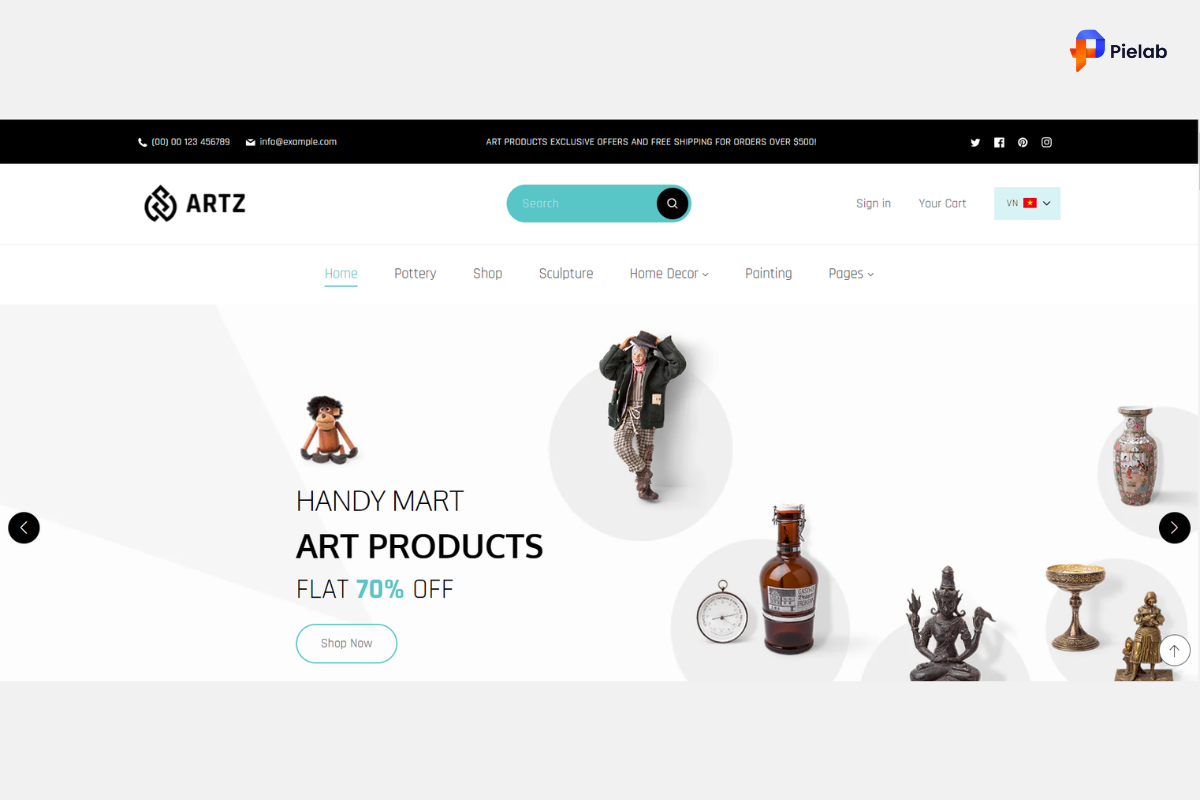
Selling handmade goods is one of the best online business options for anyone with a creative skill. Crafting, woodworking, knitting, ceramics, candle making, and jewelry all translate well into a Shopify business. The product has a built-in story, which makes marketing significantly easier than selling a generic item.
The most effective marketing strategy for handmade products is documenting your process. Short videos showing how you make each item perform consistently well on TikTok and Instagram. You do not need a big following to start. You need consistent, authentic content that lets potential customers see the work behind the product.
What to sell on Shopify: Handmade ceramics, custom jewelry, natural candles, knitted goods, woodworking items.
Startup cost: Low to medium depending on materials.
Best platform to use alongside Shopify: Etsy for additional discovery, Shopify for your main storefront.
2. Apparel and Print-on-Demand Merchandise
Print-on-demand (POD) is one of the most accessible Shopify business ideas available. You create the design. A POD partner like Printful or Printify handles printing, packing, and shipping. You never touch the product.
This model works particularly well for brands with an existing audience, content creators, and anyone with a distinctive visual identity. You can connect most POD platforms directly to your Shopify store so orders flow automatically without any manual work on your end.
What to sell on Shopify: T-shirts, hoodies, hats, tote bags, phone cases, mugs, prints.
Startup cost: Very low. No inventory required.
Key challenge: Standing out in a crowded market requires strong brand identity and consistent design.
3. Digital Products
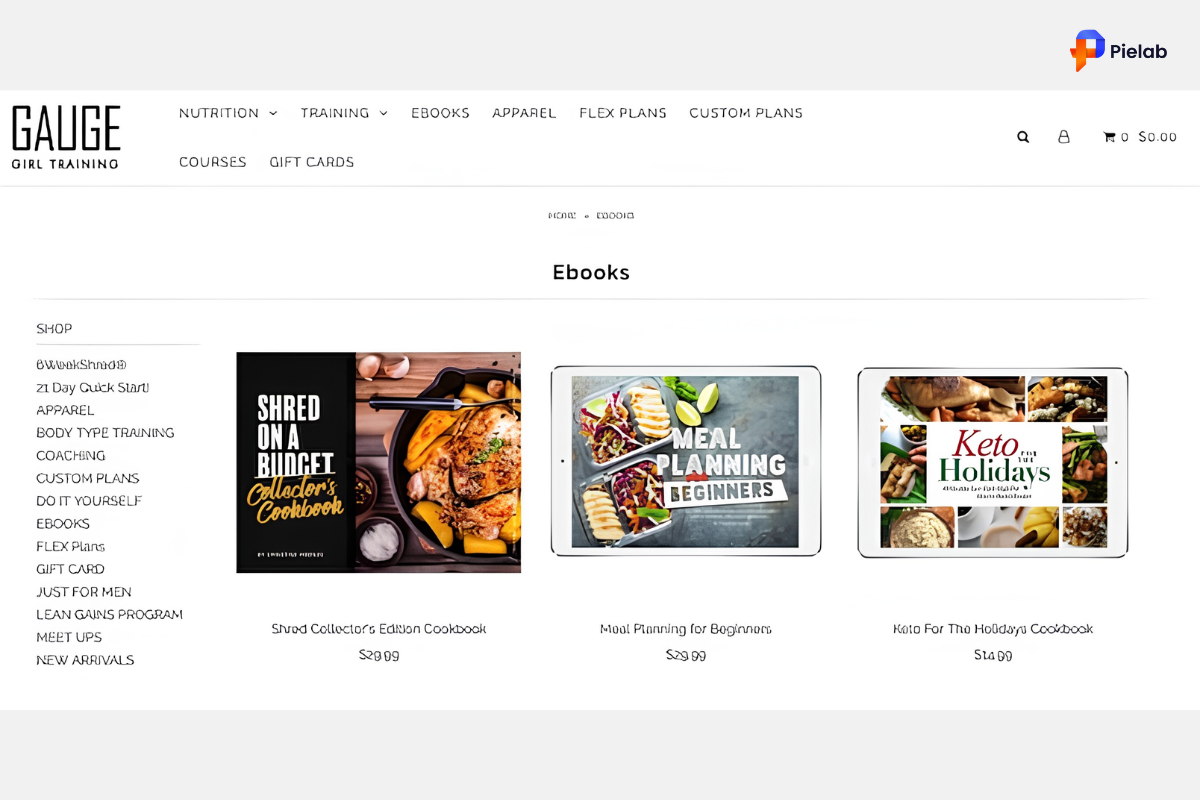
Selling digital products is one of the best online business models for high margins and passive income. Once you create the product, it can sell indefinitely with no additional production cost. The key is choosing a product that solves a specific, recurring problem for a specific audience.
Start by identifying a problem in one of three broad markets: health, wealth, or relationships. Then create a digital product that solves that problem clearly and completely. Use social media polls and community questions to validate demand before investing significant time in creation.
What to sell on Shopify: Templates, eBooks, guides, printables, presets, toolkits, planners.
Startup cost: Very low. Time investment upfront, near-zero marginal cost per sale.
Best approach: Use a focused Shopify product page with clear benefit-led copy and strong customer reviews.
4. Online Courses
People pay for organized knowledge even when free information is available. What they pay for is structure, clarity, and a clear outcome. If you have expertise in any area that professionals or entrepreneurs want to learn, you have the foundation for a highly profitable online course business.
Focus on outcomes, not content volume. A course that helps someone solve a specific problem in two hours is worth more than a 30-hour course that covers everything loosely. Target people who already earn money and are willing to invest in improving a skill, rather than students with limited budgets.
What to sell on Shopify: Skills-based courses, professional development content, industry-specific training.
Startup cost: Low. You need a way to record and host content.
Key tip: Use customer testimonials prominently on your Shopify product page. Social proof drives course sales more than almost any other factor.
5. Affiliate Marketing
Affiliate marketing has almost no startup cost and no product creation requirement. You promote someone else’s product or service and earn a commission on each sale your referral generates. The income ceiling is high if you build the right content strategy around it.
The mistake most affiliates make is promoting links without creating value first. The best approach is to educate your audience about the product through tutorials, comparisons, and problem-solving content. When someone learns how to use a product through your content and then buys through your link, the conversion is natural rather than forced.
What to sell on Shopify: You can use Shopify to build a content hub or landing page that supports your affiliate offers, driving organic traffic to your recommendations.
Startup cost: Very low to free.
Key channel: SEO-optimized blog content on Shopify drives the most sustainable affiliate commissions over time.
6. Membership Sites
A membership site charges a recurring fee for access to regularly updated content, community, or tools. This model creates predictable monthly revenue, which makes it one of the most financially stable best online business structures available.
The key requirement is a niche where you can consistently create and update valuable content. Industry news, professional skills, investment insights, health and fitness coaching, and business strategy all work well. Different membership tiers at different price points let you serve both beginners and advanced members simultaneously.
What to sell on Shopify: Monthly access subscriptions, tiered membership plans, exclusive content libraries.
Startup cost: Low to medium depending on the platform.
Key challenge: Reducing churn by consistently delivering content members cannot easily find elsewhere for free.
7. Copywriting Services
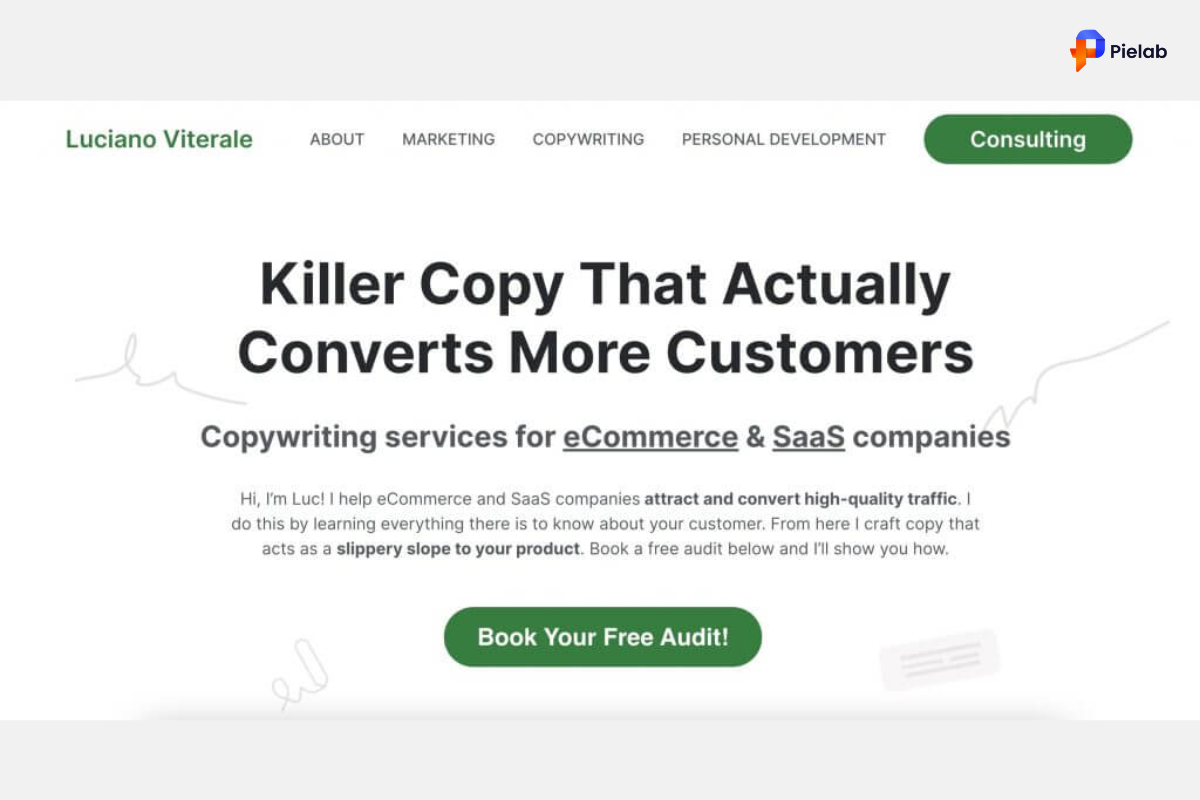
Every business that sells anything needs copywriting. Product descriptions, email sequences, ad copy, landing pages, and sales pages all require skilled writing to convert readers into buyers. If you understand how to write persuasively, this is one of the best online business options available because demand is constant and rates are high.
Effective copywriting follows a consistent structure: identify the customer’s problem, speak to their pain directly, present the solution, provide social proof, and create urgency. Learning this framework and practicing it consistently is how you build a copywriting business worth charging premium rates for.
What to sell on Shopify: You can use Shopify to create a professional services storefront with packages, testimonials, and a direct booking or enquiry system.
Startup cost: Near zero.
Key differentiator: Specializing in one industry or content type commands higher rates than generalist copywriting.
8. Social Media Management
Most business owners know they need a strong social media presence. Very few have the time or skill to create content that actually builds an audience. Social media managers fill that gap and charge well for it.
To succeed in this best online business model, you need to understand what makes content perform on each platform. Short-form video hooks, engagement patterns, posting cadences, and content formats vary significantly between TikTok, Instagram, LinkedIn, and Pinterest. Specializing in one or two platforms and one industry lets you charge more and deliver better results.
What to sell on Shopify: Monthly retainer packages for social media content creation and management.
Startup cost: Very low.
Key skill: Understanding how to write and produce hooks that stop scrolling in the first two seconds of a video.
9. Vacation Rental Management
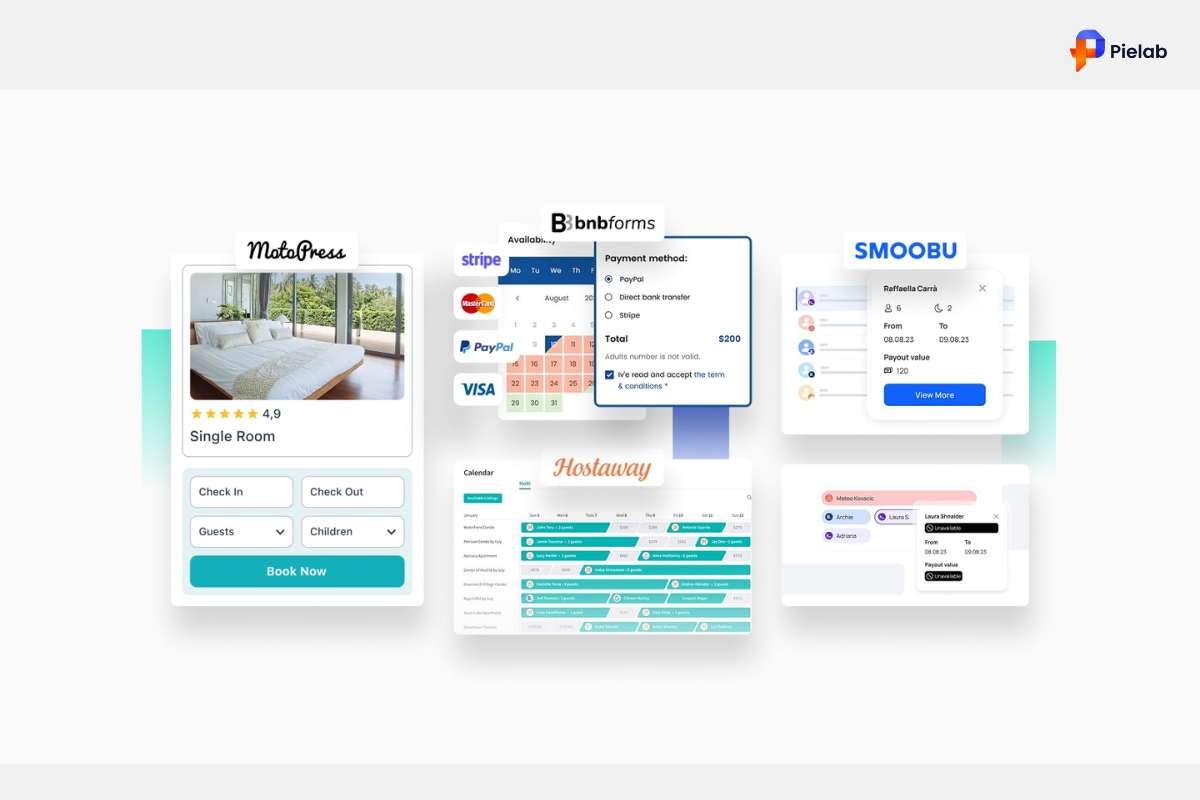
Vacation rental management is a high-revenue best online business model that most people overlook. Property owners want their rentals occupied and generating income, but managing listings, communications, and guest experiences takes significant time. Management companies earn 20 to 40% of gross rental income for handling these tasks.
You do not need to own property to build this business. You need the ability to market listings effectively across platforms like Airbnb, VRBO, and direct booking websites, combined with systems for managing guest communications and property preparation.
What to sell on Shopify: A professional management services page with pricing packages and a contact or enquiry form.
Startup cost: Low. The main investment is time and marketing.
Key opportunity: Luxury and large-group properties command higher rates and generate significantly more commission income.
10. Sales Funnel Design
Sales funnels convert visitors into customers by guiding them through a single, focused path toward one action. A well-designed funnel outperforms a standard website for conversion rates because it eliminates distraction and keeps attention on one offer at a time.
If you can design and build sales funnels, businesses will pay significant fees for this skill. You can work directly with clients on platforms like Upwork, or you can create funnel templates and sell them in dedicated marketplaces where buyers pay passively for your work without requiring your ongoing time.
What to sell on Shopify: Funnel design packages, strategy consulting, done-for-you funnel builds.
Startup cost: Low. Requires design tools and funnel building software.
Passive income potential: Selling funnel templates as digital products creates recurring income from work done once.
How to Market Any of These Online Businesses
Choosing the best online business idea is step one. Getting customers is step two, and most people underestimate how much this matters. Marketing is the skill that separates businesses that thrive from those that quietly disappear.
The most effective low-cost marketing strategy for any of these Shopify business ideas follows the same principle: build trust before asking for a sale. People buy from businesses they know, like, and trust. The fastest way to create that trust online is through consistent, helpful content that solves problems your audience is already experiencing.
SearchPie Helps Your Shopify Business Get Found Faster
Once you have chosen your best online business model and set up your Shopify store, the next priority is making sure the right people can find it. That is where SearchPie comes in.
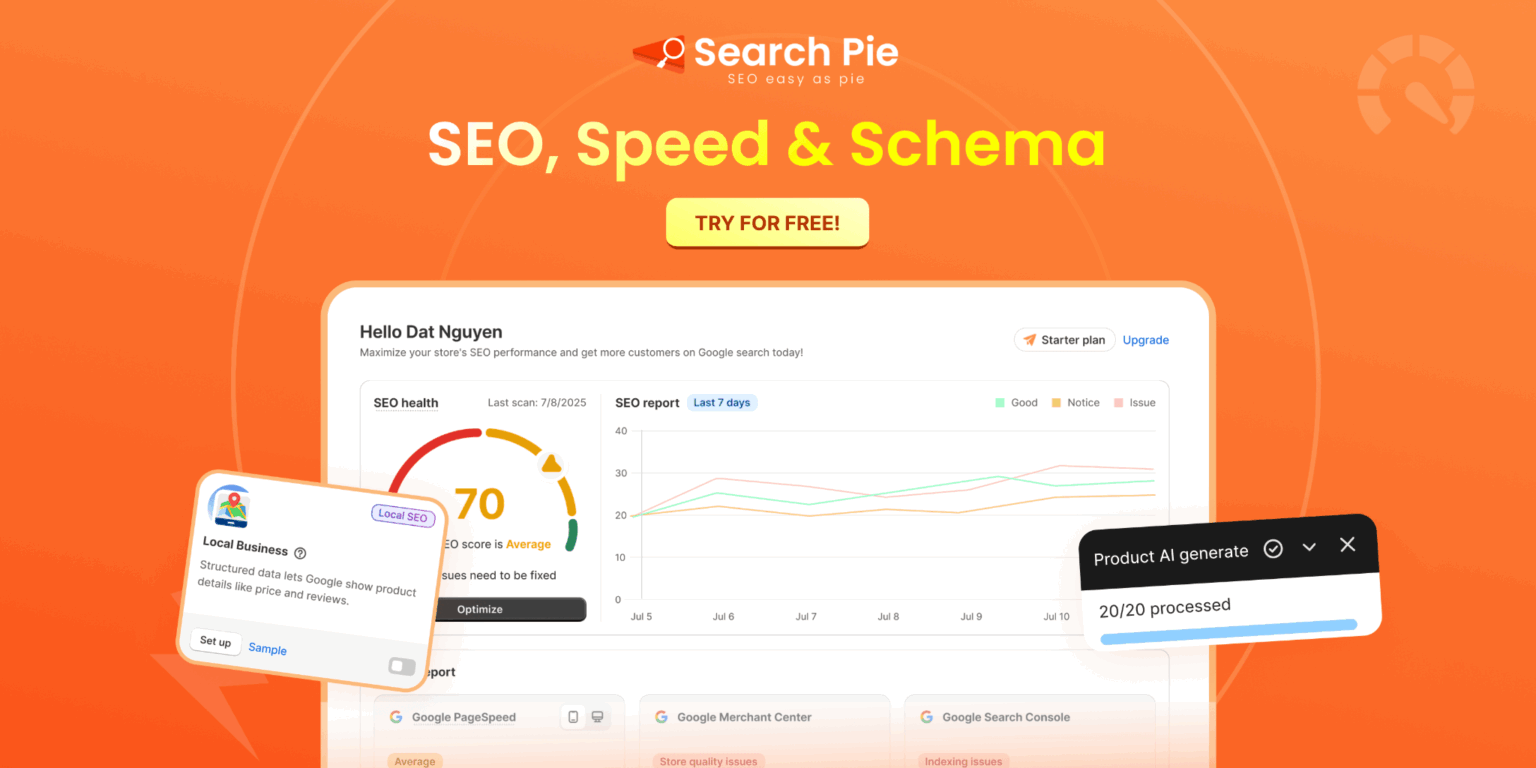
SearchPie is an all-in-one SEO and speed optimization app built specifically for Shopify merchants. It handles the technical foundation that determines whether your store appears in Google search results and how quickly it loads when shoppers arrive.
SEO optimization. SearchPie audits your entire store for missing meta titles, meta descriptions, and keyword gaps across product pages, collection pages, and blog posts. For any of the Shopify business ideas in this guide, ranking for the right keywords is the difference between consistent organic traffic and relying entirely on paid ads. SearchPie’s Keyword Explorer helps you find the exact terms your target customers are searching for and ensures your pages are optimized to rank for them.
Page speed optimization. A slow Shopify store loses customers before they ever see your products. SearchPie’s speed optimization features compress images, reduce code weight, and improve Core Web Vitals scores so your pages load fast enough to keep shoppers engaged. This matters for every best online business type, from digital product stores to service landing pages.
Schema markup and rich snippets. SearchPie automatically adds product schema, FAQ schema, and review schema to your Shopify pages. This structured data helps Google understand your content and can earn your listings rich snippets with star ratings, prices, and availability shown directly in search results. Rich snippets increase click-through rates and bring more qualified traffic to your store without any additional ad spend.
AI search optimization. SearchPie’s Optimize for AI feature structures your product and collection page content so AI-powered search tools like ChatGPT, Copilot, and Google AI Overviews can read, understand, and surface your store in AI-generated answers. As AI search continues to grow, being visible in these results becomes an increasingly important source of new customers for any Shopify business.
Best for: Any Shopify merchant who wants their store to rank higher in Google, load faster, and appear in AI search results, without needing a developer or managing multiple separate apps.
FAQS
Business license requirements depend on your country, state, and business type. Check official government websites and local business registration portals to find the licenses your online business needs.
The best online business depends on your skills and goals, but popular options include Shopify ecommerce stores, dropshipping, print-on-demand, digital products, and subscription-based businesses.
The best online business bank offers low fees, easy integrations, business-friendly features, and strong customer support. Popular options vary by country and business size.
Many online businesses can be launched with a few hundred dollars or less. Shopify stores, digital products, and service-based businesses often require lower upfront costs than traditional businesses.
Yes. Many successful entrepreneurs start with no prior experience by learning through online resources, testing small ideas, and improving their business over time.