
Getting traffic to your Shopify store is only half the battle, and the quality of that traffic matters just as much, since referred visitors brought in through a word-of-mouth tool like ReferralCandy tend to convert at higher rates than cold traffic. . If shoppers are arriving and leaving without buying, your store needs Shopify conversion rate optimization, not more traffic.
The global average ecommerce conversion rate sits between 1.6% and 3%, but that number means very little without context. A 1.5% rate for a luxury jewelry store might be excellent. The same rate for a food and beverage store would be a serious problem. Shopify conversion rate optimization is not about chasing a universal benchmark. It is about understanding where your specific visitors are dropping off and fixing those exact points.
This guide covers what Shopify conversion rate is, how to measure it correctly, what benchmarks actually mean for your store, and eight practical Shopify conversion rate optimization fixes you can implement without any ad spend.
Summary:
- Section 1: What Shopify conversion rate is and how to calculate it correctly
- Section 2: What a good Shopify conversion rate looks like by industry
- Section 3: Where to measure your rate and which numbers to trust
- Section 4: 8 proven Shopify conversion rate optimization fixes without ads
- Section 5: SearchPie features that support your optimization efforts
What Is Shopify Conversion Rate and How Do You Calculate It
Your Shopify conversion rate is the percentage of store visits that result in a completed purchase. Shopify calls it the “online store conversion rate” in your analytics dashboard. Google Analytics calls it the “ecommerce conversion rate.” They measure the same thing.
The formula is straightforward:
Shopify conversion rate = (Number of orders / Number of sessions) x 100
If your store had 2,000 sessions in a month and 50 resulted in a purchase, your Shopify conversion rate is (50 / 2,000) x 100 = 2.5%.
Two common mistakes merchants make when calculating this:
The first is using users instead of sessions. One person can create multiple sessions by visiting more than once. Your Shopify conversion rate is calculated using sessions, not unique visitors. Using users inflates the number artificially.
The second is confusing overall conversion rate with purchase conversion rate. Your overall rate includes any action a visitor takes, such as signing up for an email list or clicking a pop-up. Your Shopify conversion rate refers specifically to completed purchases. The overall rate will always be higher, which is why mixing them up creates a misleading picture.
Understanding this distinction is the foundation of effective Shopify conversion rate optimization because you need accurate numbers before you can improve them.
What Is a Good Shopify Conversion Rate for Your Store
There is no single benchmark that applies to every store. Shopify conversion rate varies significantly by product category, price point, and traffic type. Knowing where your category sits is the starting point for meaningful Shopify conversion rate optimization.
According to data compiled in Shopify’s E-commerce Metrics Guide, conversion rates break down distinctly by industry vertical:
The pattern is consistent. Products that are affordable, frequently repurchased, and low-risk convert at higher rates. Expensive products that require more research convert lower because shoppers take more time before committing.
This means your Shopify conversion rate optimization target should be based on your category, not a global average. A 1.2% rate for a furniture store is reasonable. A 1.2% rate for a food brand signals that Shopify conversion rate optimization work is urgently needed.
Your traffic source also affects the rate significantly. Stores driven by returning customers, email lists, or loyal social followers convert higher than stores relying on cold paid traffic or top-of-funnel blog content. That is not a strategy failure. It reflects where visitors are in the buying journey. Any realistic Shopify conversion rate optimization plan has to account for this.
How to Measure Your Shopify Conversion Rate Correctly
Your Shopify admin shows your online store conversion rate under Analytics. This is the most reliable starting point for Shopify conversion rate optimization because it is built directly into the platform and measures Shopify-specific purchase events accurately.
For deeper analysis, Google Analytics 4 breaks down your Shopify conversion rate by traffic source, device type, landing page, and product. This segmented view is where the most useful Shopify conversion rate optimization insights come from. A blended rate of 2% might look acceptable, but if your mobile rate is 0.8% and your desktop rate is 4.5%, you have a clear mobile experience problem that the blended number was hiding.
Key metrics to track alongside your overall rate:
If different analytics tools show different numbers, that is normal. Choose one as your source of truth and track trends consistently. The goal of measuring Shopify conversion rate is to find where the drop-offs are, not to find a single perfect number.
8 Proven Shopify Conversion Rate Optimization Fixes
These Shopify conversion rate optimization fixes focus on improving the on-site experience. They work whether your traffic comes from organic search, email, or social media, without requiring any ad spend.
Fix 1: Clarify Your Value Proposition
The most common reason visitors leave without buying is confusion. If a first-time visitor has to work to figure out what you sell or why it matters, your Shopify conversion rate suffers regardless of how polished the design looks.
Review your homepage and product pages as a complete stranger would. Is it instantly clear what this product is? Is it obvious who it helps and why it is better than the alternatives? Rewriting headlines and product descriptions to answer those questions in the first sentence is one of the highest-impact Shopify conversion rate optimization moves available to any merchant.
Fix 2: Reduce Checkout Friction
Unexpected shipping costs, forced account creation, and long multi-step checkouts are the most common causes of cart abandonment and the most direct targets for Shopify conversion rate optimization. Each unnecessary step is a point where the rate drops.
Walk through your own checkout on a mobile device as a first-time customer. Note every moment of hesitation. Enable guest checkout so buyers do not have to create an account before they are ready. Display shipping costs and delivery timelines before the payment step so there are no surprises at the end. These two changes alone can produce a measurable lift in Shopify conversion rate within weeks.
Fix 3: Optimize Your Product Pages
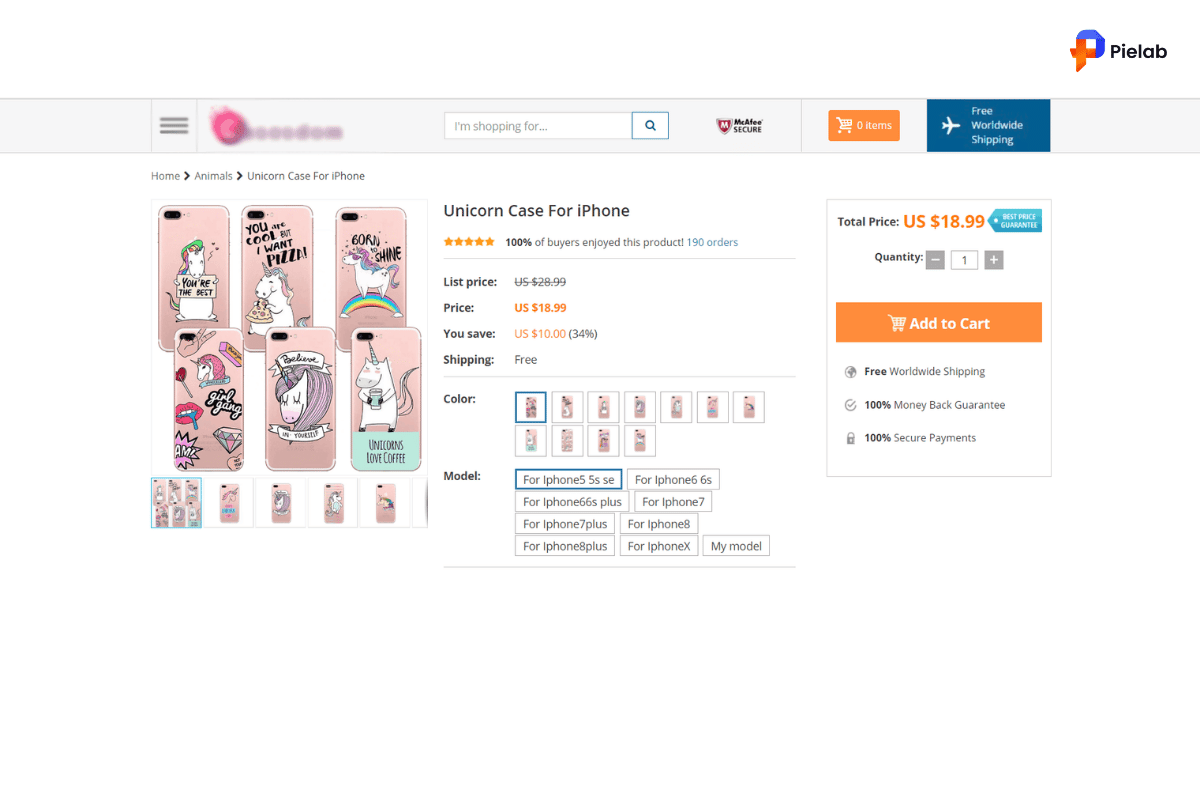
A well-optimized product page does more Shopify conversion rate optimization work than any ad. Each page needs a clear, benefit-focused description, high-quality images at 2048 x 2048 pixels, a visible Add to Cart button above the fold, and answers to the questions shoppers have before buying, such as return policies, shipping timelines, and sizing information.
If you see high impressions but low click-through rates in Google Search Console, your meta titles and descriptions need work as part of your broader Shopify conversion rate optimization effort. Include your main keyword and a specific call to action to make the listing compelling enough to click.
Fix 4: Add Social Proof Near the Purchase Decision
89% of consumers read reviews before buying. If your product pages have no reviews or the review section is buried below the fold, you are losing sales to doubt. Photo and video reviews are particularly effective because they show the product being used in real life.
For maximum Shopify conversion rate optimization impact, place reviews and star ratings near your pricing and Add to Cart button. That is where purchase decisions happen, and that is where social proof removes doubt at the most critical moment.

Fix 5: Use Exit-Intent Pop-ups with Relevant Offers
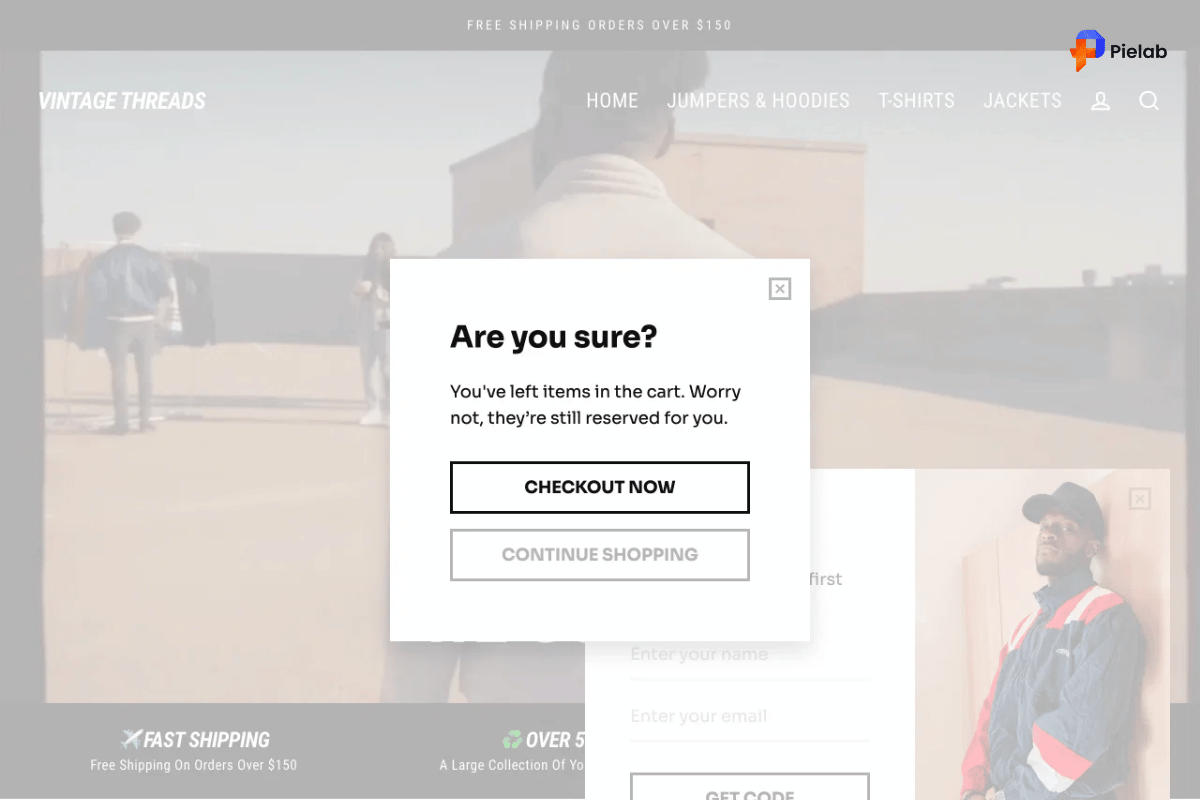
Exit-intent pop-ups appear when a shopper is about to leave. When done correctly, they are one of the most direct Shopify conversion rate optimization tactics available. Pop-ups offering a relevant discount achieve a 7.45% conversion rate on average, which is 62% higher than those without a discount.
Keep the pop-up simple. One offer, one input field, one button. Match the offer to what the shopper was browsing. A visitor leaving a running shoe product page should see a discount on running shoes, not a generic newsletter signup. Relevance is what makes exit pop-ups a genuine Shopify conversion rate optimization tool rather than a nuisance.
Fix 6: Optimize for Mobile
Smartphones now account for roughly 78% of retail site visits and generate about 70% of online shopping orders. Mobile Shopify conversion rate optimization is not optional anymore. It is where the majority of your sales are won or lost.
Check that buttons are large enough to tap accurately, pages load in under three seconds on a mobile connection, and your checkout works without errors on both iOS and Android. Adding Apple Pay and Google Pay removes form friction at checkout by auto-filling shipping and payment details, which is one of the fastest Shopify conversion rate optimization wins for mobile traffic.
Fix 7: Build Trust Throughout the Shopping Journey
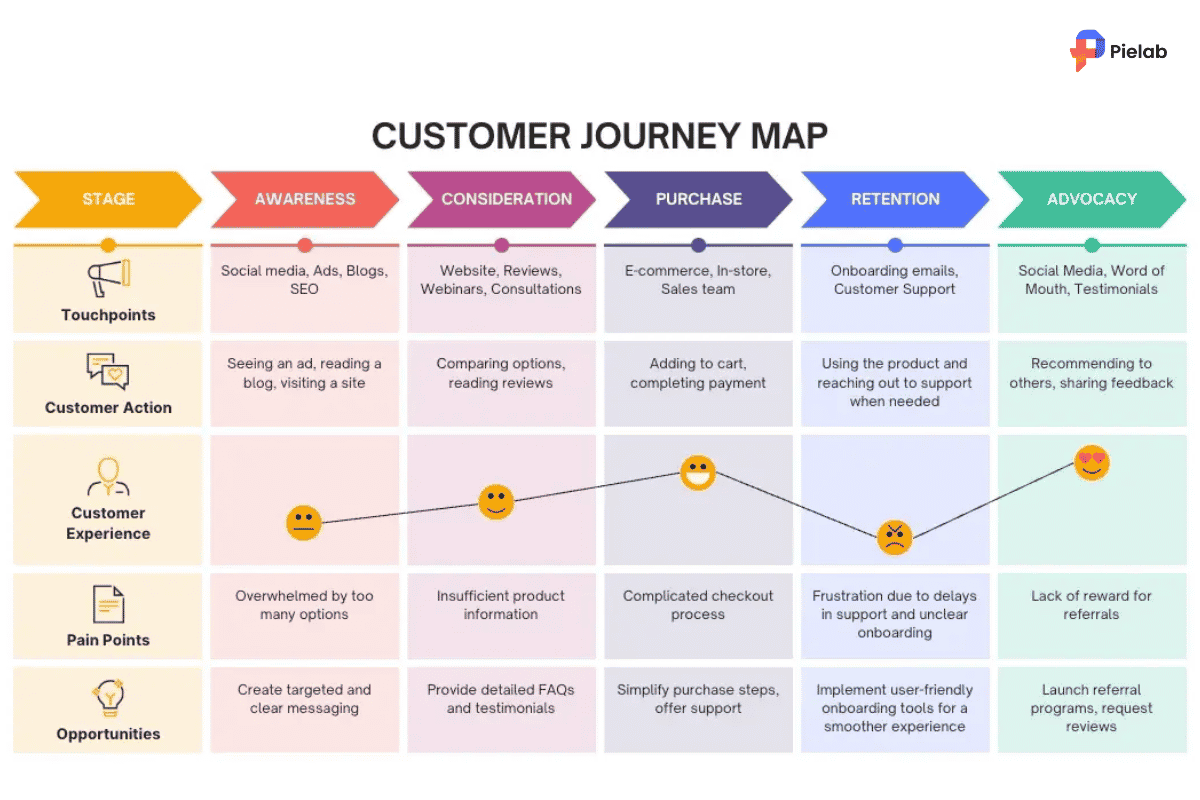
Shoppers who do not trust your store will not buy from it. Trust-building is an often overlooked part of Shopify conversion rate optimization because merchants assume shoppers will give them the benefit of the doubt. Most first-time visitors do not.
Secure checkout badges and SSL indicators reassure shoppers their payment data is safe. Recognized payment icons confirm their preferred method is accepted. A clearly visible return policy removes the fear of being stuck with a product they do not like. External validation such as press mentions or industry certifications adds credibility for cold audiences. Each of these signals contributes to Shopify conversion rate optimization by reducing the hesitation that causes abandonment.
Fix 8: Set Up Email Marketing and Abandoned Cart Recovery
Automated email flows generate up to 30 times more revenue per recipient than standard campaigns. Abandoned cart emails are the highest-return Shopify conversion rate optimization tool in this category because they target shoppers who already showed clear buying intent.
Shopify has abandoned cart recovery built into the platform. Enable it, customize the subject line and timing to match your brand, and send the first email within one hour of abandonment. A direct link back to the cart makes it frictionless for the shopper to complete their purchase. Building an email list through a welcome pop-up that offers a small incentive for signing up creates a channel to re-engage visitors after they leave, without paying for retargeting ads.
SearchPie Features That Support Shopify Conversion Rate Optimization
Shopify conversion rate optimization and SEO are more connected than most merchants realize. Organic traffic from search brings visitors who are already looking for what you sell, which means they arrive with higher intent and convert at better rates than cold traffic. Getting more of those qualified visitors to your store is the best possible foundation for every Shopify conversion rate optimization fix you make.
SearchPie supports your Shopify conversion rate optimization strategy in two specific areas.
Meta tag optimization for higher click-through rates. Your Shopify conversion rate optimization work starts before shoppers arrive at your store. If your meta titles and descriptions are weak, searchers choose a competitor’s result instead and your optimization efforts never get a chance to work. SearchPie audits your product and collection pages for missing or underperforming meta tags and helps you write optimized titles and descriptions that include your target keywords and a clear reason to click. A higher click-through rate from search results means more qualified traffic arriving at your store, which is the best possible starting point for Shopify conversion rate optimization.
Page speed optimization. Slow pages destroy Shopify conversion rate optimization results before shoppers ever see your products. Even a one-second delay in load time reduces conversions meaningfully. SearchPie’s speed optimization features compress images, reduce unnecessary code weight, and improve Core Web Vitals scores so your pages load fast enough to keep shoppers engaged. Faster pages earn better Google rankings, more organic traffic, and a higher Shopify conversion rate from every visitor who arrives.
Combined with its keyword research, schema markup, alt text management, and blog SEO checklist, SearchPie builds the organic traffic foundation that makes every Shopify conversion rate optimization fix compound over time rather than working in isolation.
Best for: Shopify merchants who want to increase their Shopify conversion rate from organic search traffic by improving how their store appears in results and how quickly it loads when qualified shoppers arrive.
FAQS
You can increase your Shopify conversion rate by improving page speed, simplifying checkout, adding trust signals, optimizing product pages, and reducing friction during the buying process. A good Shopify conversion rate is typically between 2% and 4%, while high-performing stores often achieve conversion rates above 5%. Page speed, mobile usability, product descriptions, pricing clarity, trust badges, and checkout experience are some of the biggest factors affecting conversions. Optimize your mobile layout, use fast-loading images, keep buttons easy to tap, and make checkout as simple as possible for mobile shoppers. Yes. Shopify apps can improve conversions by adding features like trust badges, countdown timers, upsells, reviews, and personalized offers.