


AI-generated content is content created using artificial intelligence tools that produce text, images, or media based on human prompts. These tools analyze large datasets to generate articles, marketing copy, product descriptions, and more, helping businesses create content faster and scale their digital marketing efforts efficiently.
As AI tools become more accessible, businesses and creators are increasingly using them to streamline content production. But while AI offers impressive speed and efficiency, it also raises important questions about quality, accuracy, and the role of human creativity. Understanding how AI generated content work is essential for building an effective content strategy.
Summary:
- Section 1: We begin by explaining what AI generated content is and how artificial intelligence tools can create text, images, and other digital assets based on human prompts.
- Section 2: Next, we explore the key benefits of AI generated content, including improved efficiency, scalability, and cost-effective content production for businesses.
- Section 3: Then we discuss the limitations of AI content, such as lack of human creativity, potential inaccuracies, and the need for human review and editing.
- Section 4: Finally, we examine real-world use cases and popular AI content generation tools, helping businesses understand how to integrate AI into their content creation workflow.
What Is AI-Generated Content In Simple Terms?
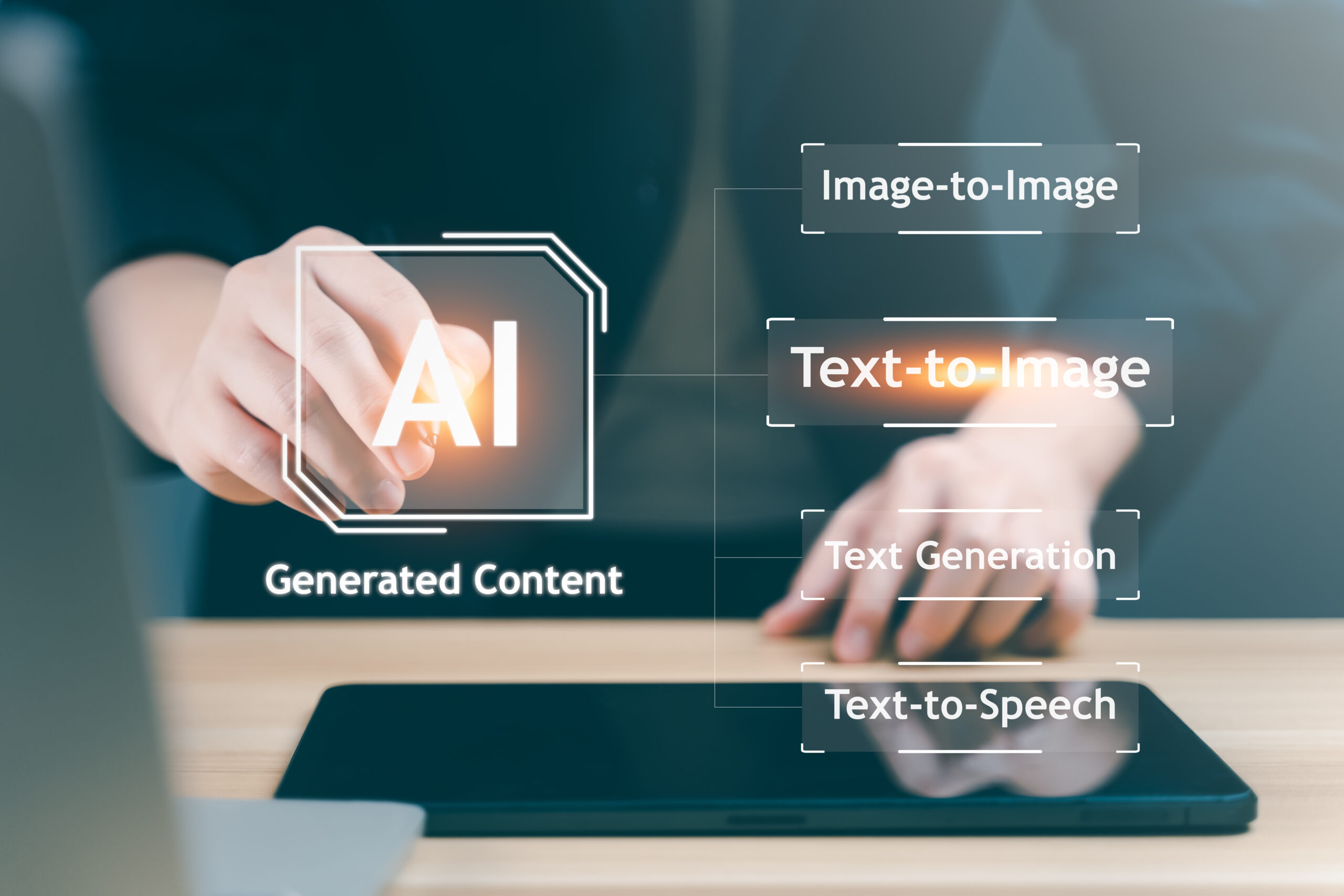
AI-generated content is content created by artificial intelligence instead of humans. It uses machine learning models trained on large datasets to produce text, images, or other media based on user prompts.
In simple terms, AI helps you create content faster by predicting and generating information based on patterns it has learned.
Although ChatGPT can assist in most cases, there are several different kinds of AI tools that can help generate content. It’s likely that you have already used one whether it’s a chatbot like ChatGPT or a tool like Grammarly, which uses AI to help improve your content’s readability and grammar. Really, using AI in the content creation process is nothing new, it’s just being implemented in new ways.
How Does AI-Generated Content Work?
AI-generated content works by using advanced machine learning models trained on massive datasets to understand language patterns, context, and user intent. Instead of simply copying information, these systems predict and generate new content based on probabilities learned from billions of examples.
According to research from organizations like OpenAI (GPT models) and Google DeepMind, modern AI content systems are built on large language models (LLMs) that analyze relationships between words, sentences, and topics to produce human-like outputs.
AI does not “create” content in the human sense, it predicts and assembles content based on patterns. That’s why the quality of your input (prompt) and your editing process ultimately determine the final result.
1. Training on Large Datasets
AI models are trained on vast amounts of text, images, and data collected from books, websites, and other digital sources. This training phase is what allows AI to generate content that feels natural and coherent.
- They learn grammar, structure, and context
- Identify patterns in how humans communicate
- Understand relationships between topics
2. Input: User Prompt
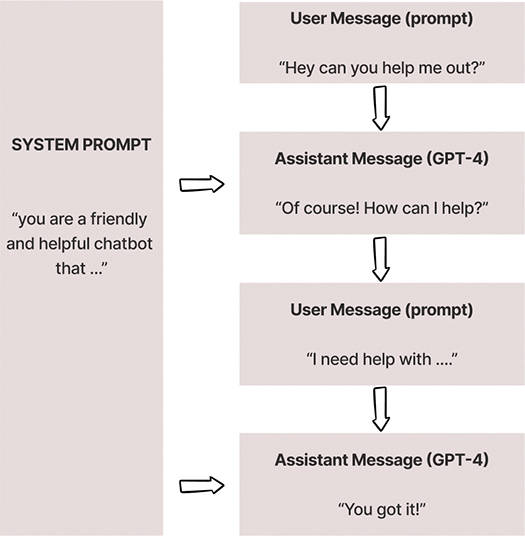
Everything starts with a prompt. Users provide instructions, keywords, or context to guide the AI. This is why prompt engineering has become an important skill in AI content creation.
- Example: “Write a product description for a skincare brand”
- The clearer the prompt, the better the output
- Context and specificity directly impact quality
3. Content Generation

Once the prompt is received, the AI predicts the most relevant sequence of words or visuals. According to Stanford HAI, these models generate content by selecting the most likely next token (word or symbol) based on previous context.
- It does not “think” like humans
- It generates content based on probability and patterns
- Outputs can include text, images, or even code
4. Refinement and Human Editing

AI-generated content is rarely perfect on the first output. Human input is essential to refine and improve it. Many experts, including McKinsey Digital, emphasize that AI works best when combined with human expertise rather than replacing it entirely.
- Edit for accuracy and tone
- Add real-world insights or examples
- Ensure brand voice consistency
Benefits Of AI-Generated Content
Efficiency and scalability
AI can create content much faster than people, which is probably the biggest benefit. It would take a human writer much longer to do all the research and write it. This can help you shorten time and effort when creating content. AI also helps with language localization for various geographic areas and can reformat content to fit many circumstances.
Cost-effectiveness
Hiring quality content writers costs a few hundred dollars per project, often depending on article length, topic and your demand on technical knowledge. And this could prove to be money well spent if it results in high-quality, well-researched content.
While some AI authoring tools need a monthly subscription fee, others are free. Tens of thousands of words are usually priced at around $100.
With simpler content, it might be better to use AI-generated content than hire expertise and authority.
AI Content Generation Use Cases
There are various ways AI is assisting enterprises in creating great content, some of which are the following:
- Voice Assistants: With the assistance of NLG, AI content generation tools can be used to build voice assistants ready to answer our queries. Alexa and Siri are examples of how companies can use the technology in real-life applications.
- User-based personalization: AI is adept at targeting each client by leveraging customer data to develop customized content. This is currently being improved by obtaining data from multiple sources, such as social media platforms and smart gadgets in the home, to learn further about the customer’s requirements and desires.
- Chatbots: Chatbots are one of the most used services in the market since they can answer most requests in a few seconds. These AI-powered bots employ a speech generator to generate pre-programmed information based on realistic human conversations.
- Extensive content creation: Currently, content generation is mainly confined to short to medium copy, such as newsletter subject lines, marketing copy and product descriptions. However, in the future, AI content production is expected to write lengthy chapters, if not whole novels.
Before using AI to generate content, it’s important to have a solid content strategy in place. If you’re a Shopify merchant, you can start with these 5 tips to write website content for Shopify merchants to build a strong foundation.
Examples of AI-Generated Content

AI-generated content is now widely used across industries as businesses look for ways to scale content production without increasing costs or time investment. Instead of relying entirely on manual writing and design, companies are integrating AI tools into their workflows to automate repetitive tasks, generate ideas, and accelerate content creation.
From ecommerce and digital marketing to customer support and media production, AI-generated content plays a key role in helping teams produce large volumes of content while maintaining consistency. However, its effectiveness depends on how it is used, whether as a full replacement or as a support tool combined with human input. Below are some practical, real-world examples of how AI-generated content is applied across different use cases:
- SEO blog articles and long-form content: Businesses use AI tools to generate blog outlines, draft articles, and optimize content with keywords. For example, ecommerce stores can create hundreds of SEO articles targeting long-tail keywords to drive organic traffic.
- Product descriptions at scale: Online stores often need to write thousands of product descriptions. AI can generate consistent, keyword-rich descriptions for large catalogs, helping improve search visibility while saving time and cost.
- Google Ads and social media campaigns: Marketers use AI to create ad copy, headlines, and variations for A/B testing. This allows faster campaign optimization and better targeting across platforms like Google Ads, Facebook, and Instagram.
- Email marketing and automation flows: AI tools generate personalized email sequences such as welcome emails, abandoned cart reminders, and promotional campaigns, improving engagement and conversion rates.
- Customer support and chatbots: AI-powered chatbots generate real-time responses to customer queries, helping businesses handle support at scale while maintaining quick response times.
- AI-generated images and creatives: Tools can generate product visuals, banners, and marketing creatives from text prompts, reducing the need for manual design and speeding up campaign production.
Limitations Of AI-Generated Content
Content doesn’t have a human touch
This is the big one, so let’s start here. AI can produce high-quality, readable content quickly, but it struggles to consistently satisfy audience search intent. Although AI content generators can assist in creating a structure for content, to truly deliver your goals, you need more than just AI-generators. It’s essential for you to invest time and effort in editing, rewriting, and capturing the essence of your content.
The tool may occasionally generate incorrect information
Using AI tools like Chat GPT does not always lead to completely accurate results. Although we’ve discussed how valuable ChatGPT can be as a research assistant, it’s essential to remember that it can make errors from time to time—just like any of us! This highlights the importance of having human oversight when working with AI-generated content.
Unaware of current events
AI content tools often lack knowledge of current events. For example, ChatGPT’s information is only up to date until 2021. This is crucial to remember when you’re working on new or timely content, as it highlights that these tools can sometimes deliver inaccurate or less useful information.
So if you want your content to be trendy, you need to rewrite your content.
Improved SEO
AI content generators browse many online documents to gather information. While reviewing these documents, they pick keywords to enhance search engine optimization (SEO). The AI tool can recommend keywords for writers. By incorporating these keyword suggestions into an article, the content can rank higher in search engines.
Top Content Generation Tools
Here’s a quick overview of the five top AI writing generators reviewed in this article:
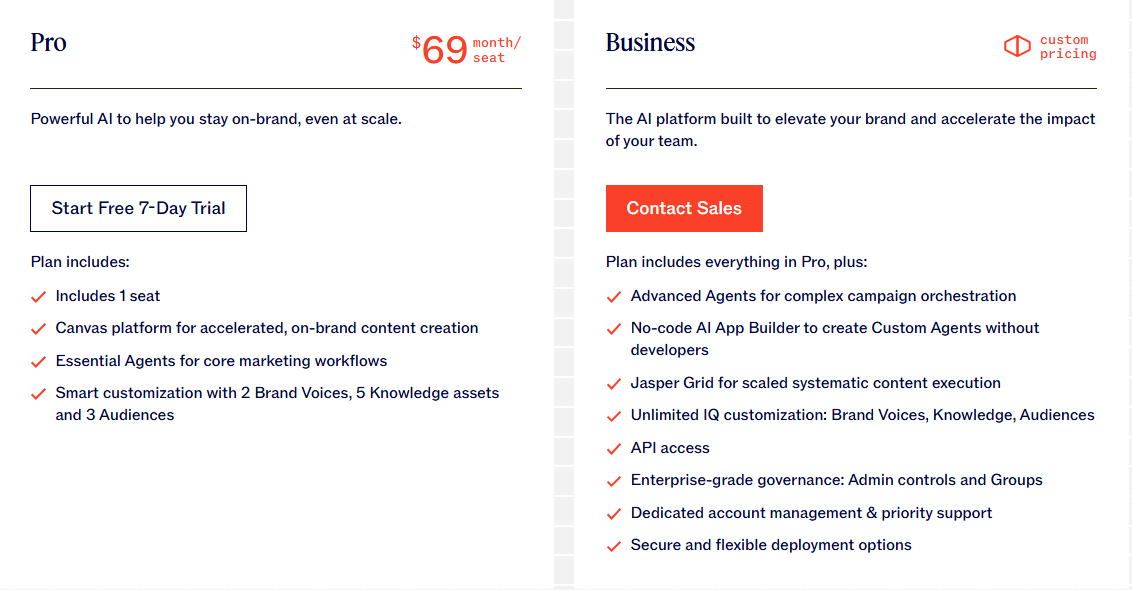
1. Jasper
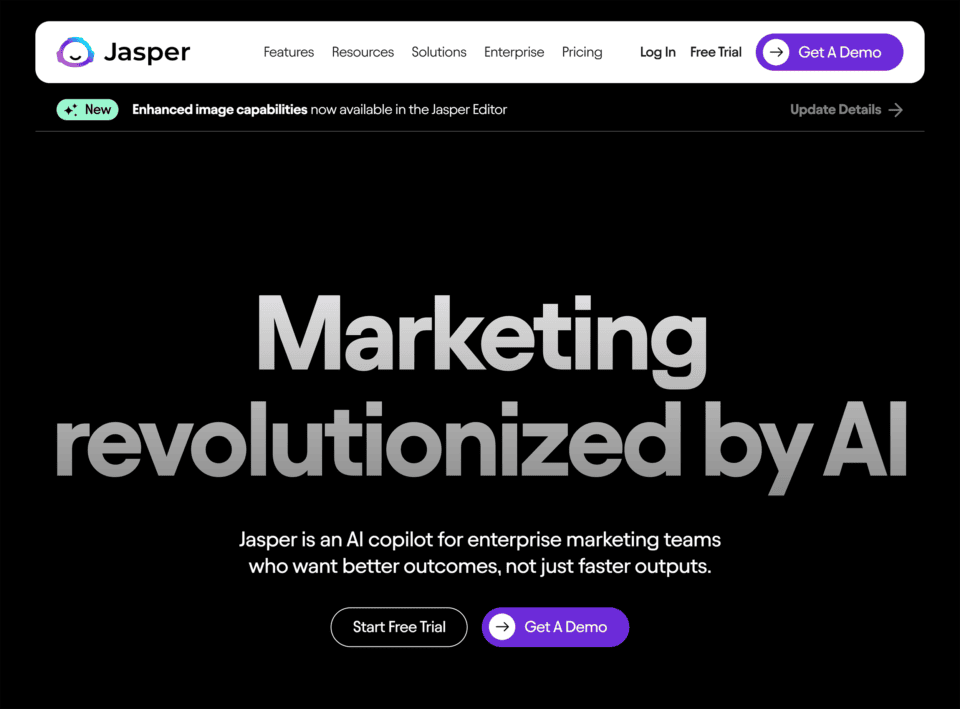
Best AI-generated content for social media captions and ads, Jasper is an AI writing tool designed specifically for crafting marketing content. With more than 50 templates available, it serves as an excellent resource for producing a wide range of content types. Among its most valuable templates are those for video scripts, blog outlines, social media posts, and advertising copy.
This diverse selection of templates makes it particularly ideal for social media management and advertising campaigns.
Pricing: Starts at $69 per month; offers a 7-day free trial
2. Copy.ai
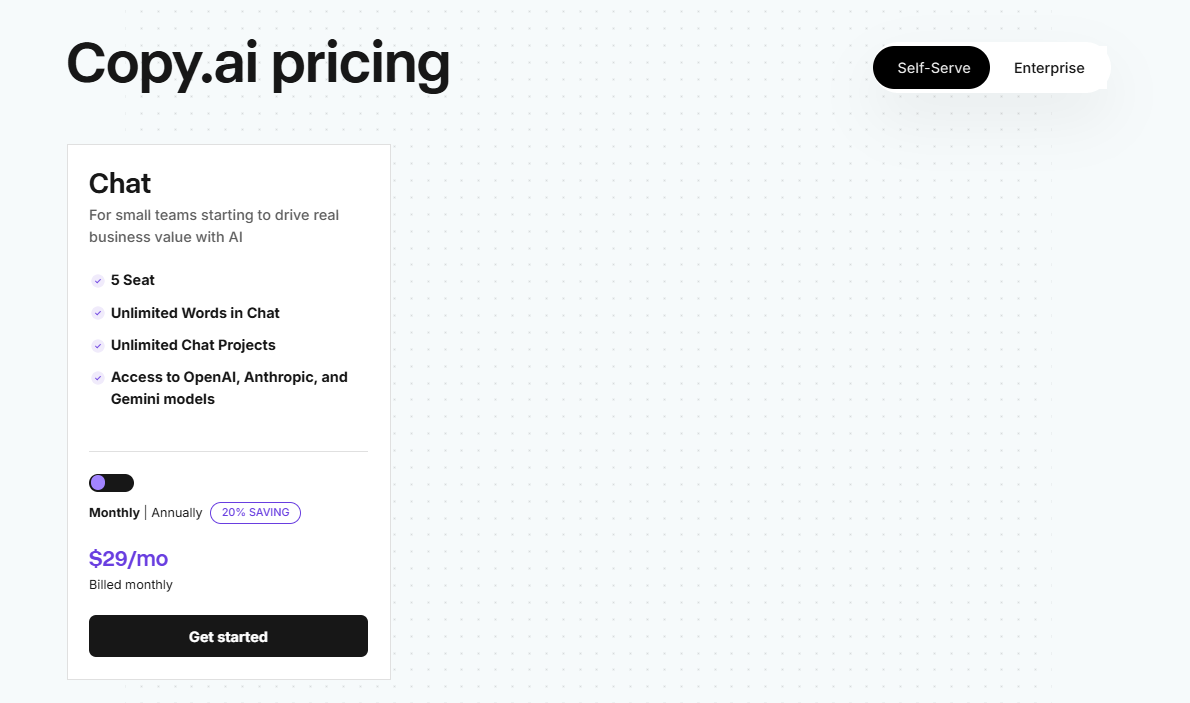
Best AI writing generator for automatically creating content with Workflows.

Pricing: Starts at $29 per month; a free plan with limited functionality is also available.
3. ChatGPT
Best AI writing generator for blog and article outlines.
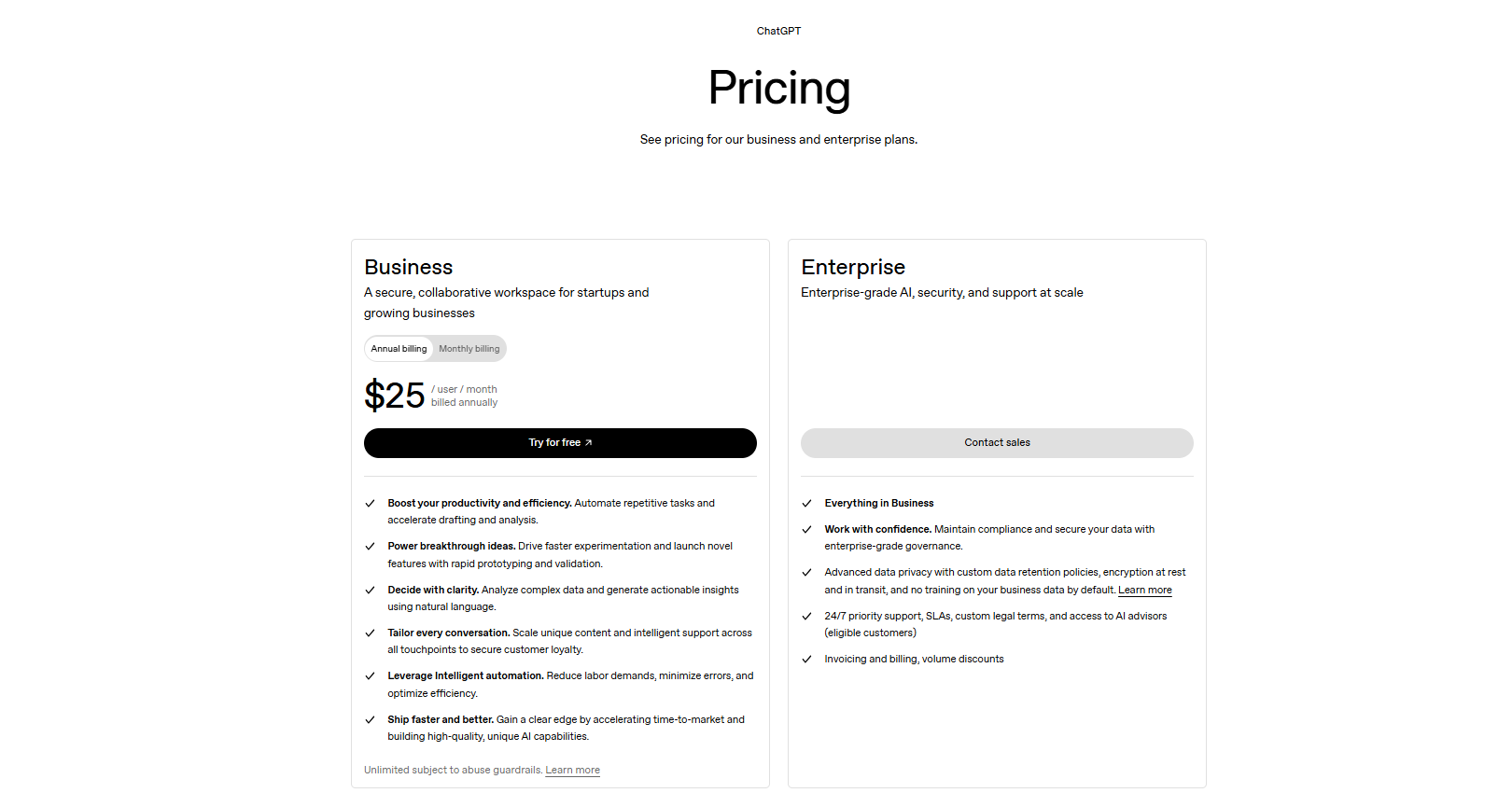
ChatGPT is an AI chatbot that is trained on a huge dataset and responds immediately.
We’ve discovered that it excels at crafting outlines for various assets, such as articles and blogs.
Pricing: Starts at $25 per month; free version with limited functionality is also available.
Custom, enterprise-level plans are also available upon request.
4. Grammarly
Best AI writing generator for emails.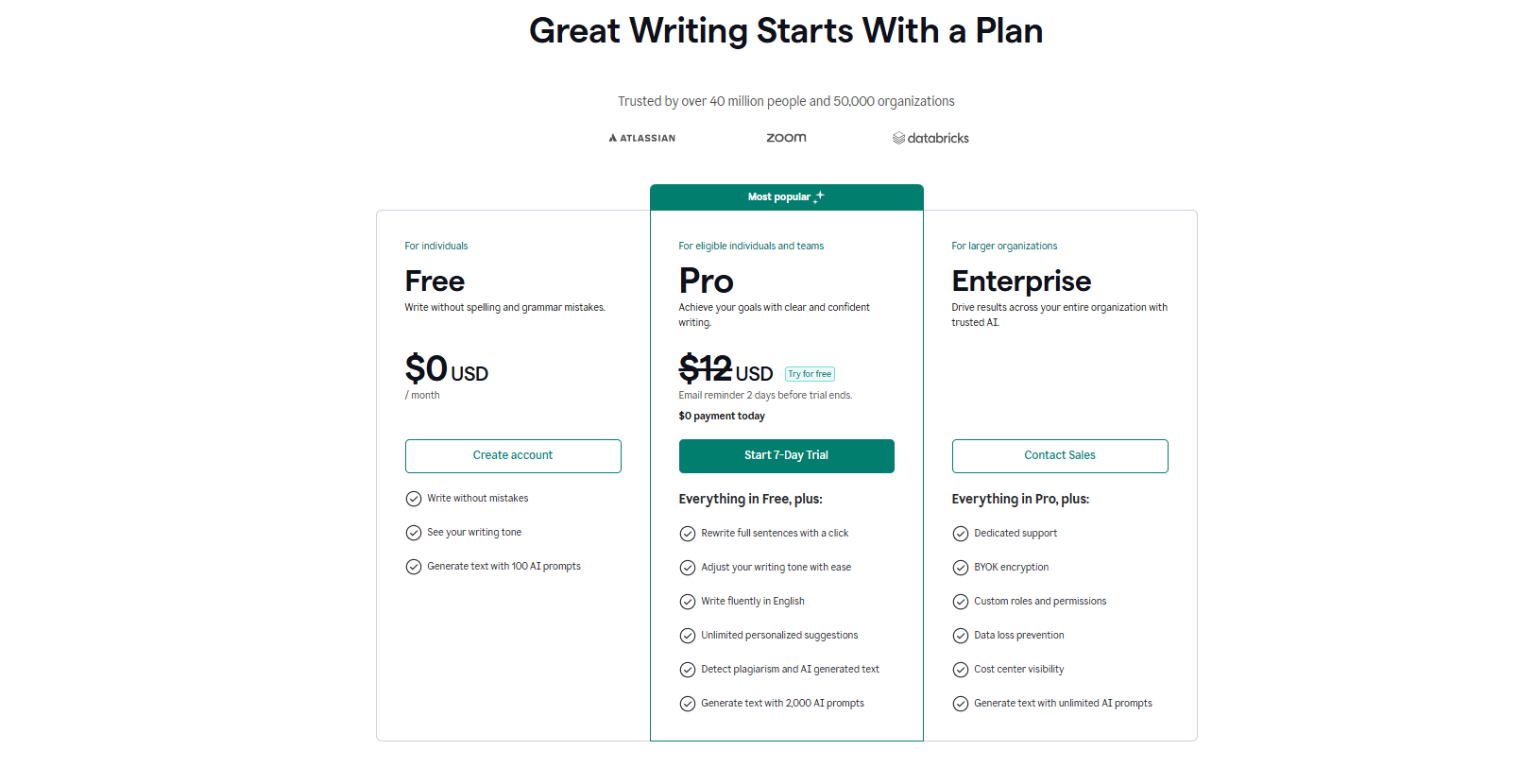
Grammarly is a virtual assistant that generates text, and reviews spelling, grammar, punctuation in any type of content.
Grammarly integrates with multiple platforms like Google Docs, Microsoft Word, Gmail, LinkedIn, and more.
Pricing: The AI writing assistant is not a standalone tool. It’s included in Grammarly’s standard plans, starts with $0/month.
5. SearchPie
Best AI writing generator for SEO-optimized content.
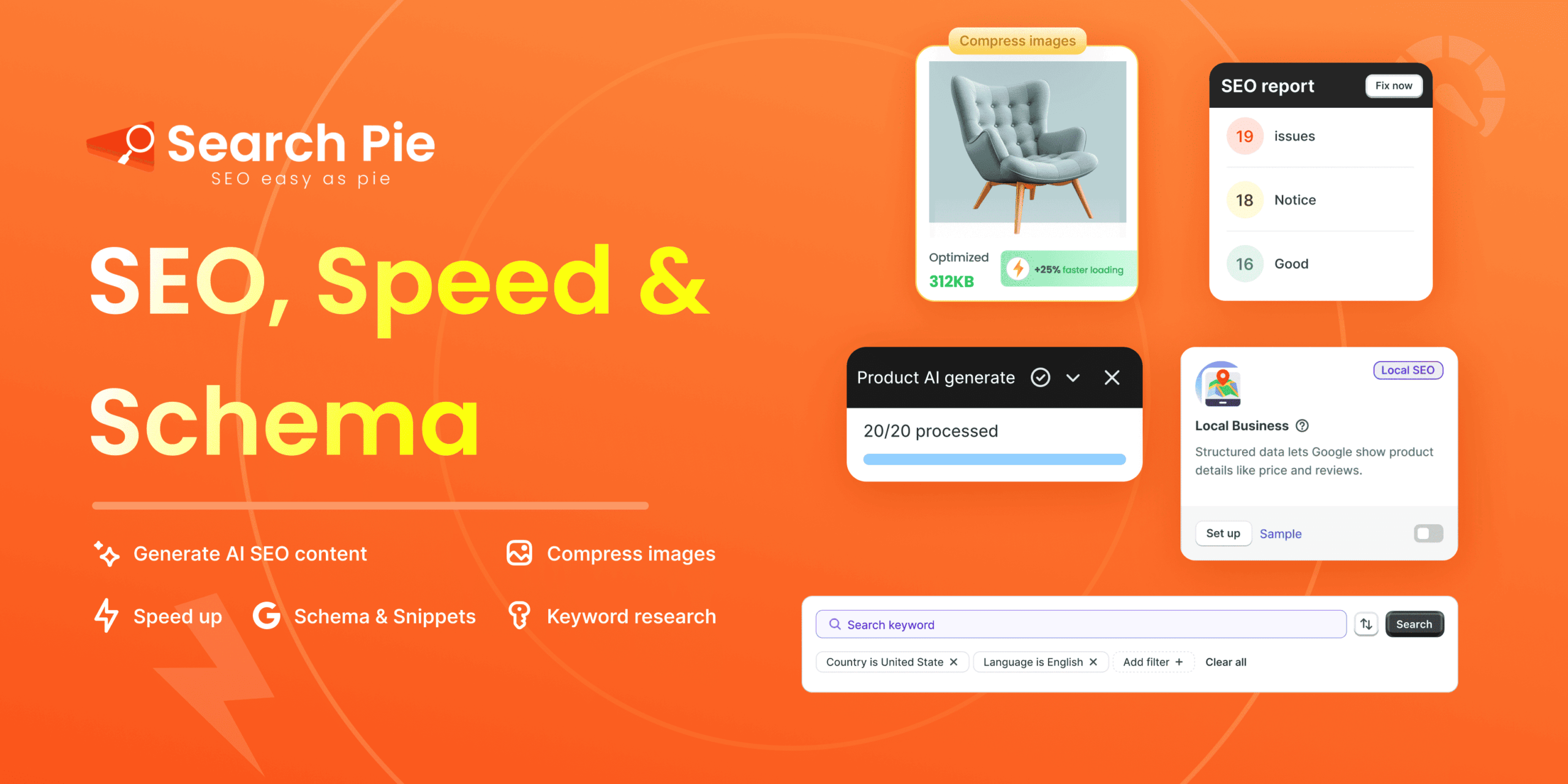
SearchPie is one of the leading Shopify SEO apps that offers a complete SEO solution tailored for Shopify stores. You can find almost all you need for SEO in this app: real-time SEO issue reporting, AI-generated content, and speed optimization tools like Instant Page and AMP.
SearchPie even automatically navigates Long & 404 URLs and offers off-page SEO monitoring through Backlink Analytics. One of the standout features of SearchPie is its use of artificial intelligence technology. This enables the app to automatically generate intelligent meta tags with just a few relevant keywords, simplifying yet optimizing the SEO process for users.
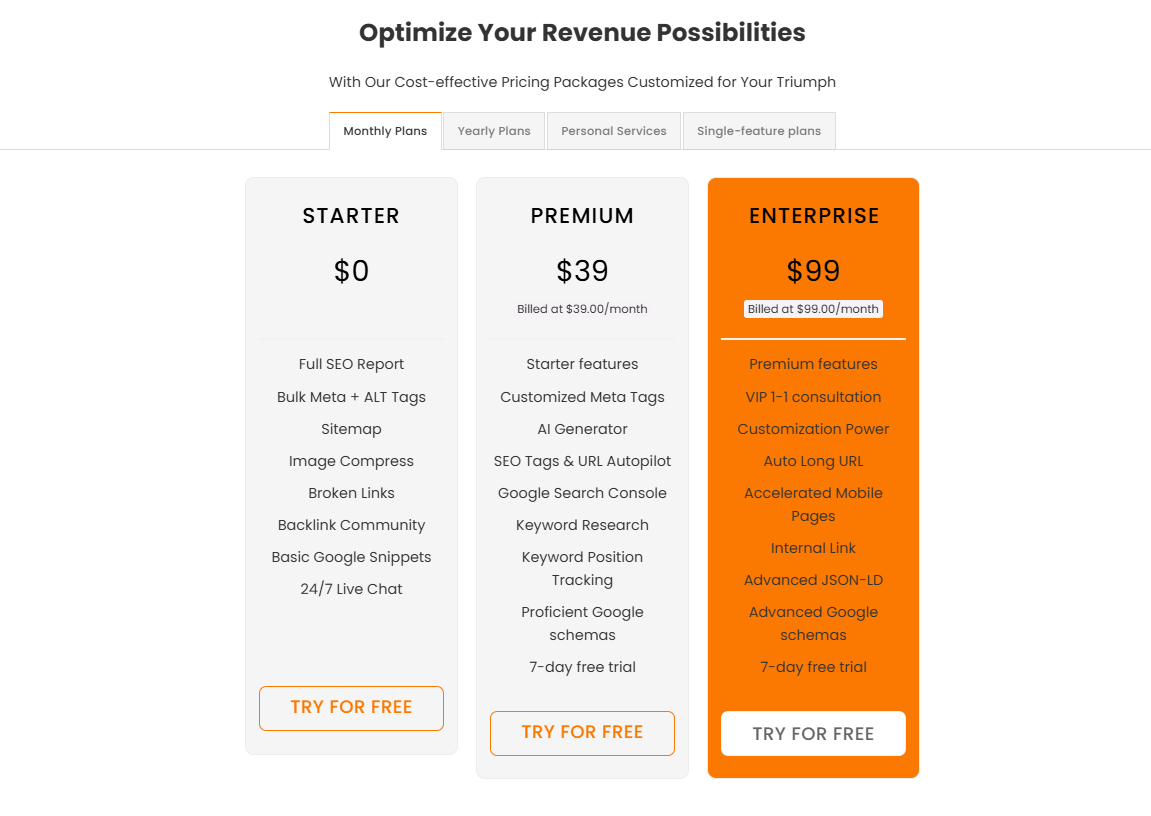
Pricing: Start at $29 per month (billed monthlly); a free plan with limited functionality is also available
Conclusion
AI generated content is here to stay, and it’s only becoming more popular! So, how will you keep up? The key is finding the right balance: Don’t overuse it, but don’t ignore it either. Explore how tools like ChatGPT, Ahref, SearchPie can boost your workflows and make things more efficient. Remember, adapting to change is essential and makes the difficult things become easier.
FAQs
AI-generated content refers to text, images, or media created by artificial intelligence tools based on human prompts or data inputs, allowing businesses to produce content faster and automate parts of the content creation process.
AI content tools analyze large datasets and language patterns using machine learning models to generate text, images, or ideas based on the instructions provided by users.
AI-generated content can save time, reduce production costs, scale content creation, and assist with SEO optimization by suggesting keywords and improving content structure.
AI-generated content may lack human creativity, occasionally produce inaccurate information, and require human editing to ensure quality, accuracy, and brand voice.
Popular AI content tools include ChatGPT, Jasper, Copy.ai, Grammarly, and SearchPie, which help users generate marketing copy, blog outlines, SEO content, and other digital materials.










Pingback: How to Use AI in Daily Life: Practical Ways to Save Time and Boost Productivity in 2026
Pingback: Perplexity VS ChatGPT: AI Tools Comparison in 2025