

LLM SEO (Large Language Model Search Engine Optimization) is the practice of optimizing content so it can be understood, selected, and reused by AI systems that generate answers. Instead of relying solely on traditional search engines that return a list of links, users now interact with platforms like ChatGPT, Gemini, and Perplexity that provide direct responses. This shift fundamentally changes how content should be written and optimized. To succeed, your content must not only rank but also be structured, clear, and easy for AI models to extract and reuse.
In this article, we will explore what LLM SEO is, how it differs from traditional SEO and related frameworks like AEO, GEO, and LLMO, and how you can optimize your content to increase visibility in AI-generated answers.
Summary
- Section 1: We begin by defining LLM SEO as the practice of optimizing content to be understood, selected, and reused by AI systems that generate answers instead of ranking links.
- Section 2: Next, we explain how LLM SEO works through three key stages: discoverable, understandable, and selectable – highlighting how AI models retrieve and synthesize content using semantic understanding rather than keywords.
- Section 3: We then compare LLM SEO with traditional SEO, AEO, GEO, and LLMO to clarify how each framework contributes to modern AI-driven search visibility.
- Section 4: After that, we provide a structured checklist covering keyword strategy, content structure, formatting, and freshness to help you optimize content for AI readability and extraction.
- Section 5: Finally, we explore the best LLM SEO tools, including SearchPie and other platforms, to help you optimize, track, and scale your visibility in AI-generated answers.
What Is LLM SEO?

LLM SEO (Large Language Model Search Engine Optimization) is the practice of optimizing content so that it can be interpreted, selected, and cited by AI systems that generate responses. Unlike traditional SEO, which focuses on improving rankings in search engine result pages (SERPs), LLM SEO focuses on ensuring that your content becomes part of the answer itself.
This means content must be written in a way that AI systems can easily understand. Instead of relying heavily on keyword density, LLM SEO prioritizes clarity, structure, and meaning. A strong LLM SEO article typically defines concepts early, answers questions directly, and uses structured formatting such as headings, short paragraphs, and tables to improve machine readability.
At its core, LLM SEO is about aligning your content with how AI models process information. These systems are designed to extract, summarize, and recombine knowledge, so content that is well-organized and semantically rich is far more likely to be selected.
How Does LLM SEO Work & How Do LLMs Understand And Retrieve Content?
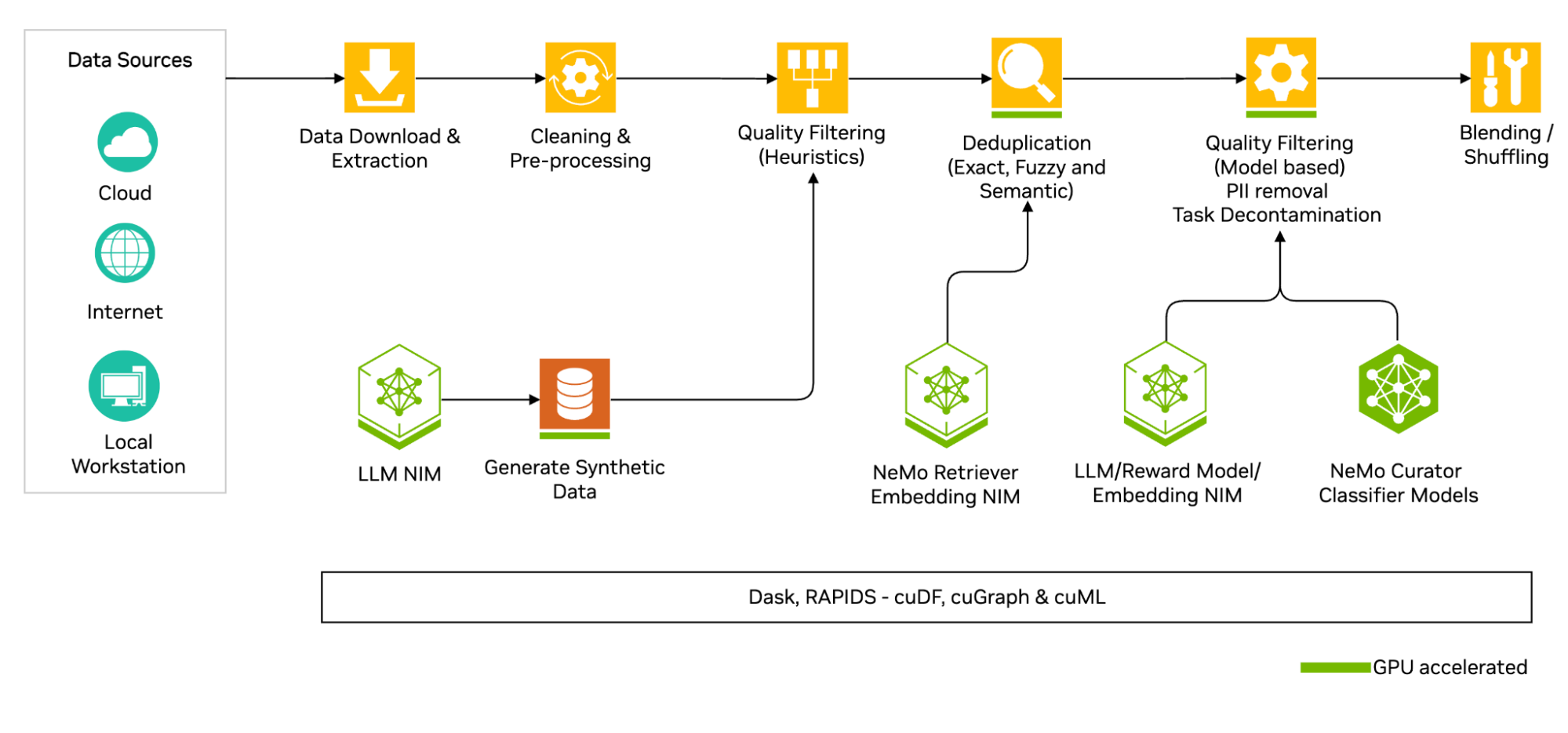
LLM SEO works by aligning content with how AI systems retrieve, interpret, and generate answers. Instead of ranking pages purely based on keywords, LLM-based systems combine pre-trained knowledge with retrieval mechanisms such as RAG (Retrieval Augmented Generation) to synthesize information into a single response.
In this process, content is evaluated through three key stages:
- First, it must be discoverable, meaning it is accessible to sources AI systems rely on.
- Second, it must be understandable, which requires clear structure, strong entity signals, and semantic clarity.
- Third, it must be selectable, meaning the content is concise, accurate, and trustworthy enough to be included in AI-generated answers.
Unlike traditional search engines, Large Language Models focus on meaning rather than exact keywords. They analyze entities, context, and relationships between concepts to determine which content is most useful. As a result, content is interpreted, extracted, and reused.
To align with how AI systems work, content must follow specific structural and semantic standards.
AI-friendly content should:
- Answer the main query immediately in the first sentence (answer-first)
- Use clear definitions instead of long narrative explanations
- Maintain short paragraphs and concise sentences
- Include comparisons, examples, and logical connections between ideas
- Use structured formatting (headings, bullet points, tables)
- Strengthen entity signals and topical relationships
- Ensure accuracy and consistency to build trust
AI systems prioritize content that is easy to extract and reuse. A clearly structured paragraph with a direct answer is significantly more valuable than a long, unstructured explanation. Content that demonstrates expertise and reliability is also more likely to be selected, as trust plays a critical role in AI-generated responses.
How Does LLM SEO Compare To AEO, GEO, and LLMO?
While traditional SEO focuses on ranking webpages in search engines, newer frameworks like AEO, GEO, and LLMO address how content is surfaced, interpreted, and generated by AI systems. Each approach targets a different layer of the search experience from ranking and answer extraction to full AI-generated responses and technical model interaction. LLM SEO sits at the intersection of these strategies, acting as the content-focused layer that ensures information is structured, clear, and ready to be selected as part of an AI-generated answer. The table below highlights the key differences between these four approaches and how they contribute to modern search visibility.
How To Optimize Content For LLM SEO?
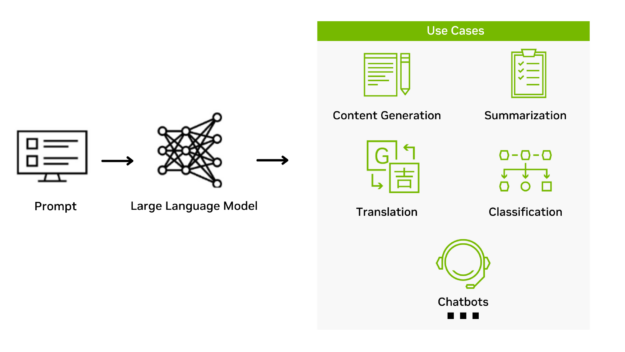
Optimizing content for LLM SEO requires a shift in both structure and mindset. The goal is not just to rank but to become the answer that AI systems rely on.
1. Keyword strategy (Intent-first, not keyword-first)
- Use natural language queries instead of short keywords
- Prioritize long-tail queries
- Align keywords with real user intent in AI search
- Avoid keyword stuffing; focus on meaning and context
2. Content structure (Answer-first writing)
- Build each section around one specific question
- Start with a direct answer in the first sentence
- Expand with concise supporting details
- Keep sentences short and clear (≤ 20 words)
- Keep paragraphs concise (≤ 150 words)
3. Formatting for AI readability
- Use bullet points to highlight key ideas
- Use tables for comparisons and structured data
- Break content into modular sections (easy to extract)
- Avoid long, narrative-heavy paragraphs
- Ensure headings match search queries (question-based H2/H3)
4. Content depth & clarity
- Include definitions, examples, and comparisons
- Connect related concepts to strengthen entity relationships
- Ensure content is logically structured and easy to follow
- Focus on clarity over creativity or storytelling
5. Freshness & updates
- Regularly update content with: New tools, Updated data, Latest trends.
- Maintain content relevance in fast-changing topics (AI, SEO)
- Ensure consistency across updates to preserve trust signals
What Are The Best LLM SEO Tools?
The best LLM SEO tools help you understand how your content performs inside AI-generated answers, not just traditional rankings. As AI search grows, tools are evolving from keyword tracking to measuring AI visibility, citations, and brand mentions across platforms like ChatGPT and Google AI Overviews.
To build a strong LLM SEO strategy, you need tools that support both content optimization and AI answer tracking. Below are five of the most effective tools, including both foundational platforms and AI-first solutions.
1. SearchPie (Best for AI content structure + Shopify SEO)
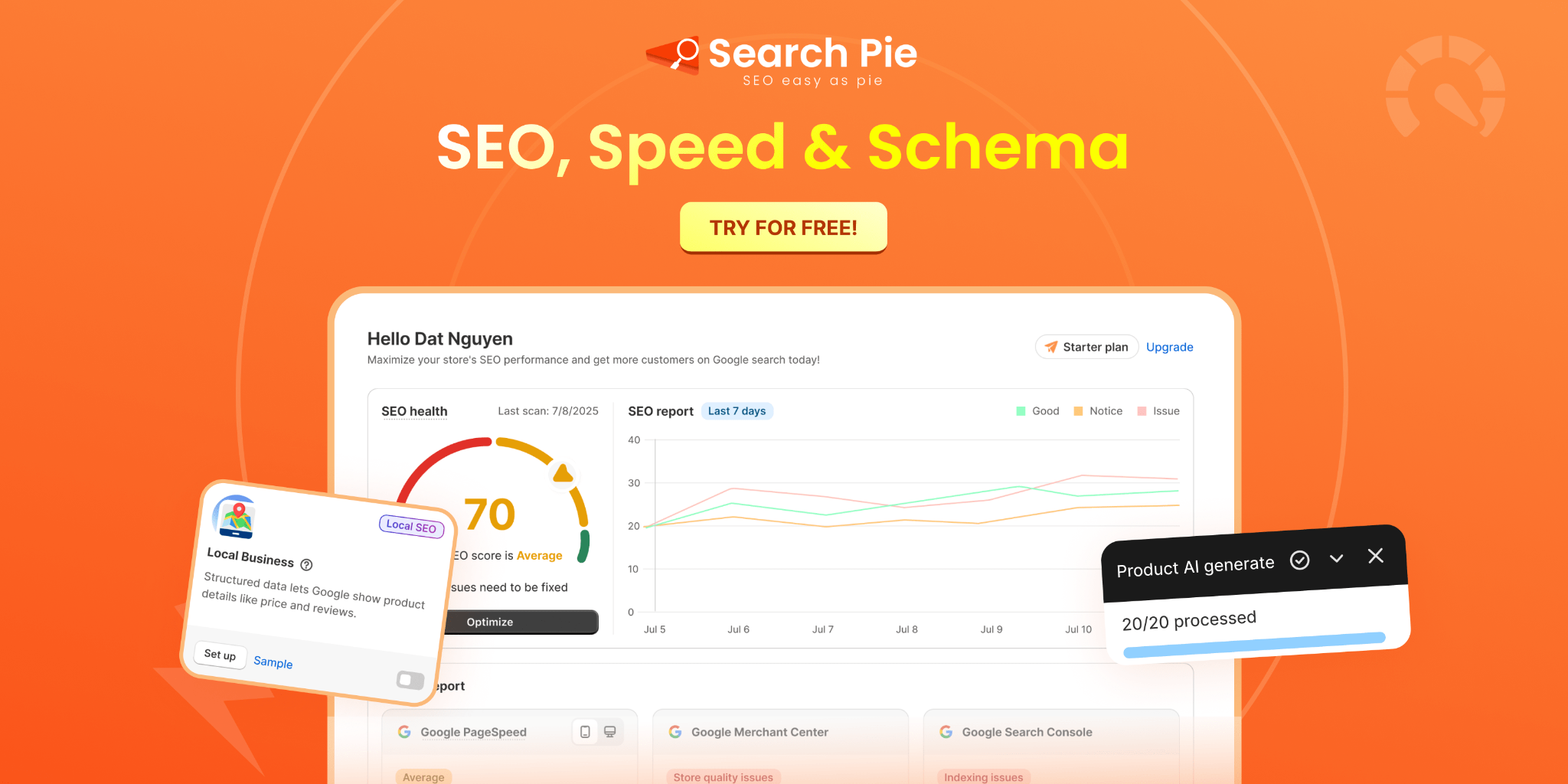
SearchPie is a practical solution for merchants and content teams looking to optimize both traditional SEO and AI search visibility in one workflow. It focuses heavily on structured content, schema, and technical SEO, which are critical for LLM SEO.
With SearchPie, you can:
- Try AI content structure optimization to make content easier for AI to extract
- Improve entity signals through schema and metadata
- Fix technical issues (speed, indexing, broken links) that impact AI retrieval
- Build a strong SEO foundation that supports AI visibility
SearchPie is especially useful because LLM SEO still depends on strong technical SEO signals, not just content.
Install Now2. LLMrefs (Best for AI visibility tracking)
LLMrefs is one of the most specialized tools for tracking visibility in AI search. It focuses on measuring how often your content appears in AI-generated answers and which sources models rely on.
Key strengths:
- Track visibility in AI answers
- Identify which pages are cited by LLMs
- Analyze AI share of voice
This makes it a strong choice for teams focused on LLM SEO tracking and monitoring.
3. Semrush AI (Best all-in-one SEO + AI features)
SEMrush remains one of the most comprehensive SEO platforms, now integrating AI-driven features to support generative search.
Key capabilities:
- Keyword and competitor analysis
- Content optimization with AI suggestions
- Partial AI visibility insights
While not purely an LLM SEO tool, it provides a strong foundation for hybrid strategies.
4. Ahrefs (Best for data + AI visibility signals)
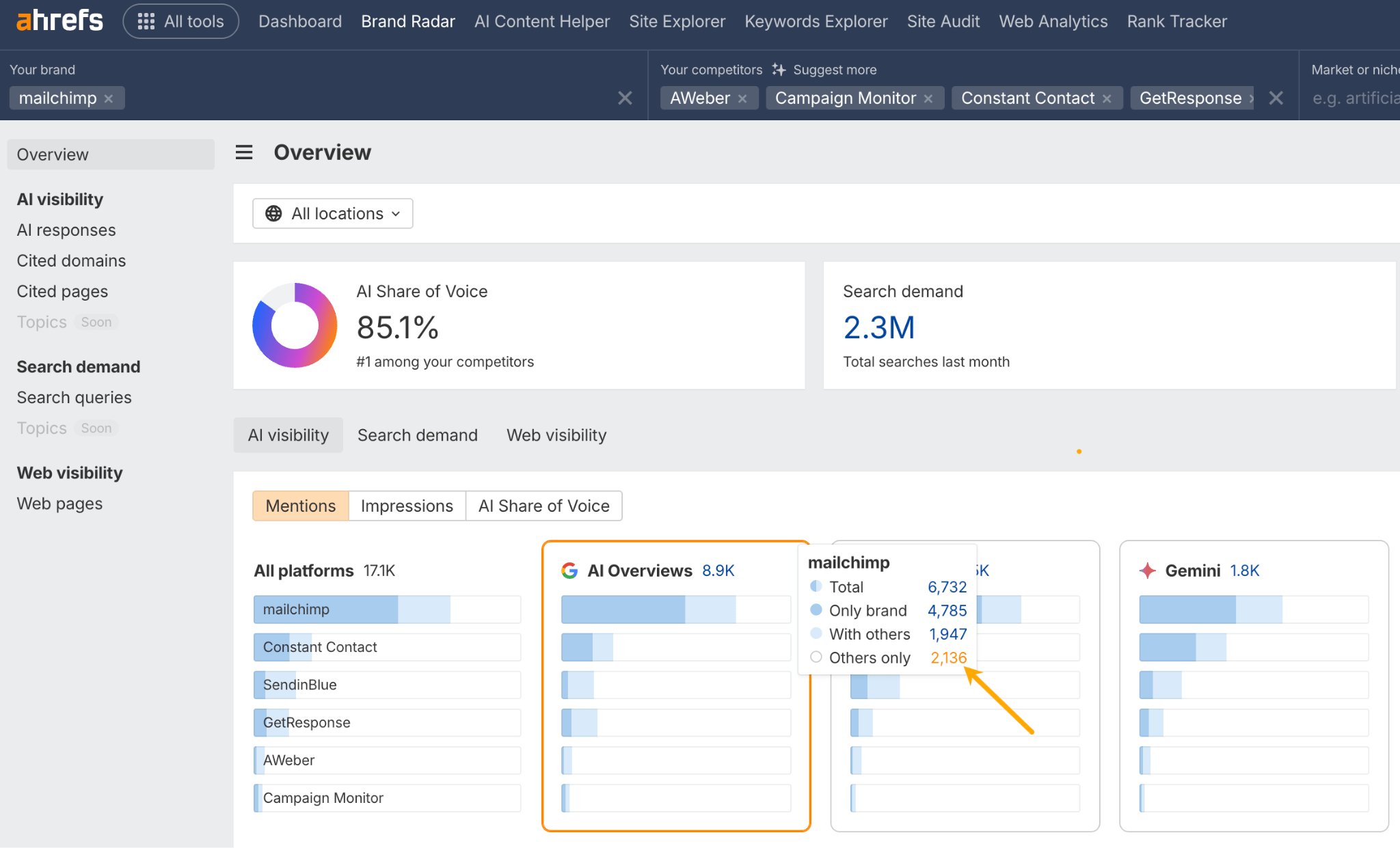
Ahrefs continues to be a leading tool for backlinks and keyword research, but it is also evolving to include AI-related metrics.
Key capabilities:
- Track AI citations and brand visibility
- Analyze content authority and backlinks
- Identify content opportunities for AI search
It is particularly useful for building authority signals that LLMs rely on.
5. Clearscope / Surfer SEO (Best for content optimization)
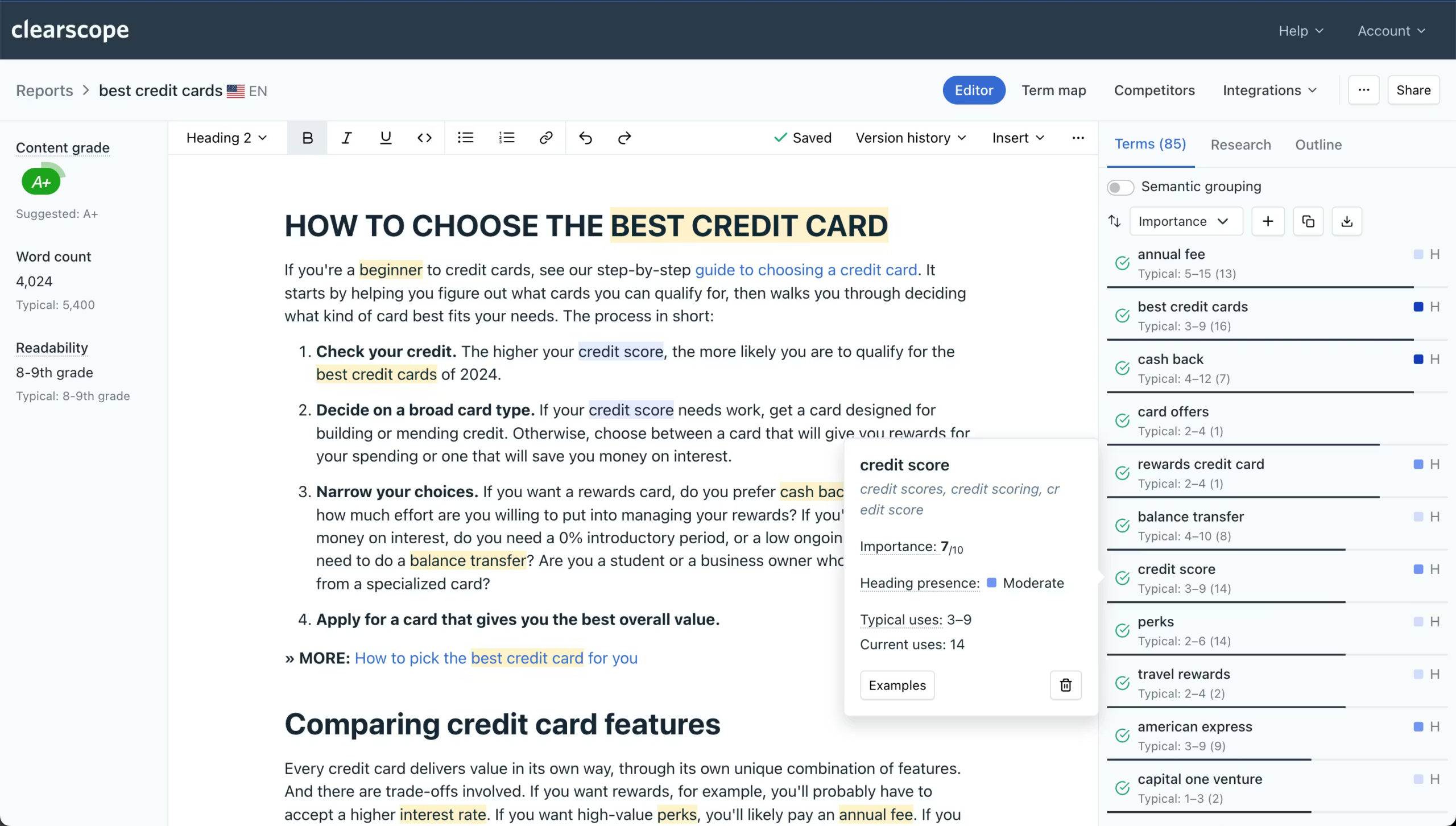
Clearscope focuses on optimizing content quality and structure, which directly impacts LLM SEO performance.
Key capabilities:
- Content grading based on semantic relevance
- Topic and entity suggestions
- AI-assisted content generation
These tools help ensure your content is structured and comprehensive enough to be selected by AI systems.
Conclusion
LLM SEO represents a fundamental shift in how content is optimized and discovered. Instead of focusing only on ranking in search engines, the goal is to create content that AI systems can understand, extract, and present as answers.
As AI continues to reshape search behavior, businesses and content creators must adapt their strategies. Those who focus on clarity, structure, and relevance will be best positioned to succeed. In this new landscape, winning is no longer about being the first result—it is about being the most useful answer.
FAQs
LLM SEO is the process of optimizing content so it can be understood and reused by AI systems that generate answers instead of ranking webpages.
LLM SEO works by making content discoverable, understandable, and selectable for AI systems that retrieve and synthesize information into answers.
Traditional SEO focuses on rankings and traffic, while LLM SEO focuses on visibility within AI-generated answers and content reuse.
The best LLM SEO tools include platforms like SearchPie, LLMrefs, Ahrefs, and Semrush, which help optimize content structure and track AI visibility.
You can monitor LLM SEO by tracking AI answer visibility, brand mentions, and how often your content is cited across AI platforms.
Platforms like ChatGPT, Gemini, and Perplexity rely on LLM-based systems and are key environments for LLM SEO visibility.