

In many cases, ranking well on search engines still doesn’t guarantee visibility. As AI-generated answers absorb more attention, search is shifting from a list of options to a single, synthesized response. According to Adobe, traffic from generative AI sources to U.S. retail sites rose sharply over the past year, showing that AI-assisted discovery is increasingly influencing ecommerce journeys. By that, even if your content is optimized, it cannot attract users to click. This guide explains where Generative Engine Optimization (GEO) starts to matter and what ecommerce teams need to change before visibility quietly disappears.
Summary:
- Section 1: We begin by explaining what Generative Engine Optimization (GEO) is and how search is shifting from link-based discovery to AI-generated answers, changing how visibility is earned.
- Section 2: Next, we outline why GEO matters for ecommerce, including changes in user behavior, the decline of surface-level content, and the growing importance of structured, decision-focused information.
- Section 3: Then we break down how GEO works by focusing on content clarity, usefulness, trust, and technical accessibility, which is key factors that determine whether content can be interpreted and reused by AI systems.
- Section 4: Finally, we provide a practical framework to implement GEO, covering buyer-focused content strategy, answer-first writing, structured formats, topical depth, and the technical execution needed to make content usable in AI-driven search.
What Is Generative Engine Optimization?
Generative Engine Optimization (GEO) is the process of improving your content so AI-powered search and answer engines can understand it, trust it, and use it in generated responses. Instead of focusing only on how a page ranks, GEO focuses on how a page contributes to an answer.
This distinction matters because search engines are increasingly acting as interpreters, not just indexers. Instead of returning a list of links, they summarize, compare, and compress information into a single response. In that context, content that is vague, overly promotional, or structurally weak becomes difficult to extract and therefore less likely to be included.
For ecommerce, GEO applies across the entire content layer:
- Product pages that explain real use cases
- Collection pages that guide decisions
- Buying guides that clarify trade-offs
- FAQs that remove friction before purchase
Why Is Generative Engine Optimization Important?

Generative Engine Optimization is important because search behavior is shifting from link comparison to answer consumption. For ecommerce brands, this changes where visibility happens, what type of content performs, and how long-term organic advantage is built.
1. User behavior is shifting toward faster, synthesized answers
The importance of Generative Engine Optimization comes from a simple shift in user behavior: people increasingly want faster, synthesized answers. They do not always want to compare ten blue links, open multiple tabs, and build the answer themselves. They want the engine to do more of that work for them.
2. GEO rewards substance over surface-level optimization
GEO is also important because it rewards substance over surface. In a crowded ecommerce market, many stores still publish thin category copy, generic blog content, or promotional product descriptions that sound polished but say very little. That type of content may fill a page, but it does not always help users or AI systems understand what makes a product useful, who it is for, and how it compares to alternatives.
3. Better-structured content becomes a competitive advantage
Brands that invest in clearer, more structured, more experience-based content gain an advantage here. They are easier to interpret. They are more credible to reuse. And they are more likely to become part of trusted AI-mediated discovery.
4. GEO helps build a more durable organic asset
There is also a defensibility angle. Rankings fluctuate. Paid acquisition gets more expensive. Platforms change. But helpful, structured, technically sound content tends to compound in value over time. GEO matters because it pushes ecommerce teams toward building that kind of durable asset.
How Does Generative Engine Optimization Work?
Generative Engine Optimization works by improving how AI systems process content across three key stages: understanding, evaluating usefulness, and determining whether the content is reliable enough to reuse. For ecommerce, this means optimizing not just for visibility, but for clarity, intent alignment, and trustworthiness at the content level.
1. Content Understanding: Can AI clearly interpret your page?
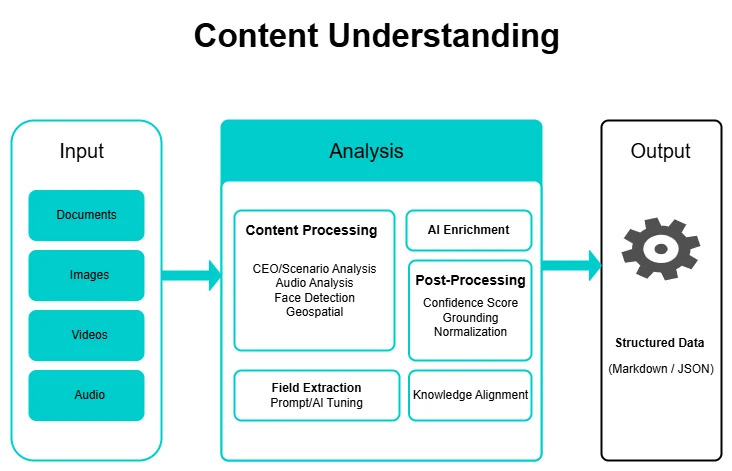
The first part is understanding. AI systems work better when content has a clear topic, strong internal structure, and direct language. The easier it is to extract meaning, the more likely your content will be used. If a page jumps between ideas, buries the answer, or relies too heavily on vague brand language, it becomes harder to interpret.
This is why GEO prioritizes:
- Answer-first writing.
- Descriptive, structured headings.
- Explicit and concrete explanations.
2. Content Usefulness: Does it actually answer user intent?

The second part is usefulness. AI systems are not just looking for mentions of a keyword. They are trying to satisfy intent. That means content is more likely to be surfaced when it answers the actual question behind the query. Content that helps users decide will outperform content that only describes. In ecommerce, this means shifting from promotion to decision support. Strong GEO content typically includes:
- Trade-offs and comparisons
- Real use cases
- Differences between options
- Guidance on who the product is for
3. Content Confidence: Can AI trust and reuse it?
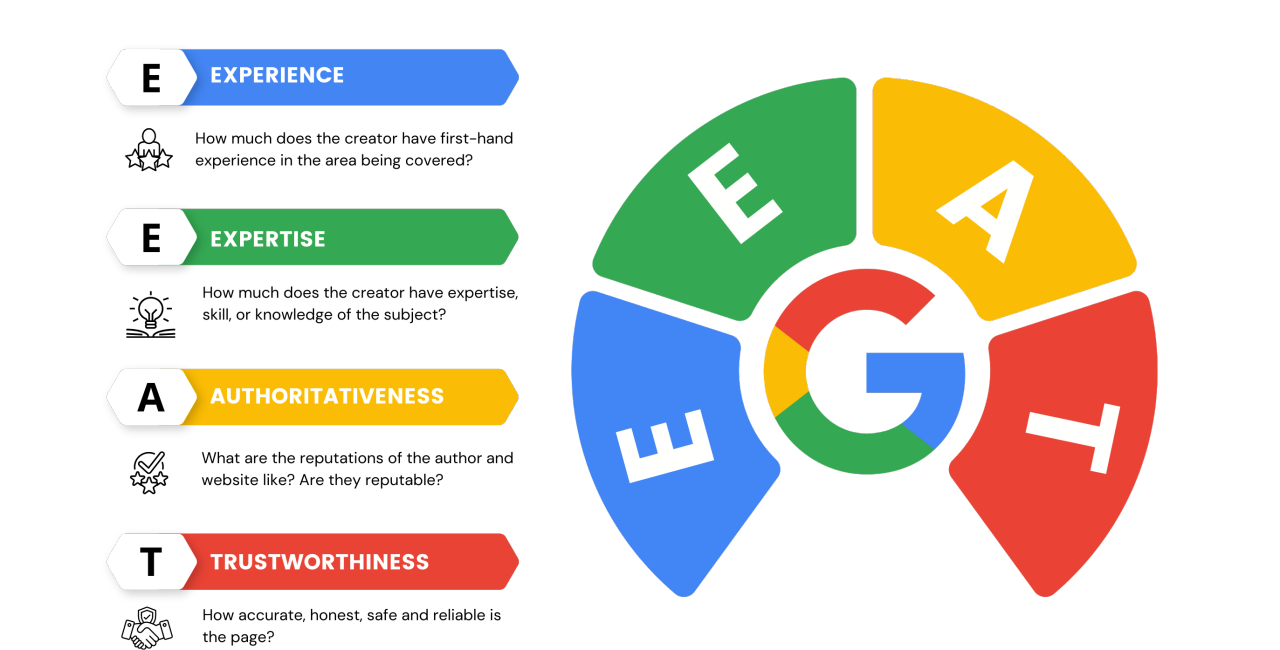
The third part is confidence. Generative systems are more likely to rely on content that appears credible, consistent, and specific. This is where E-E-A-T principles become highly relevant. The more concrete and experience-based the content is, the more likely it is to be trusted and reused.
Content is more reusable when it shows:
- Clear expertise and product knowledge
- Consistent topical coverage
- Specific details instead of generic claims
- Real examples or applied context
4. Technical Foundation: Is your content accessible and structured?
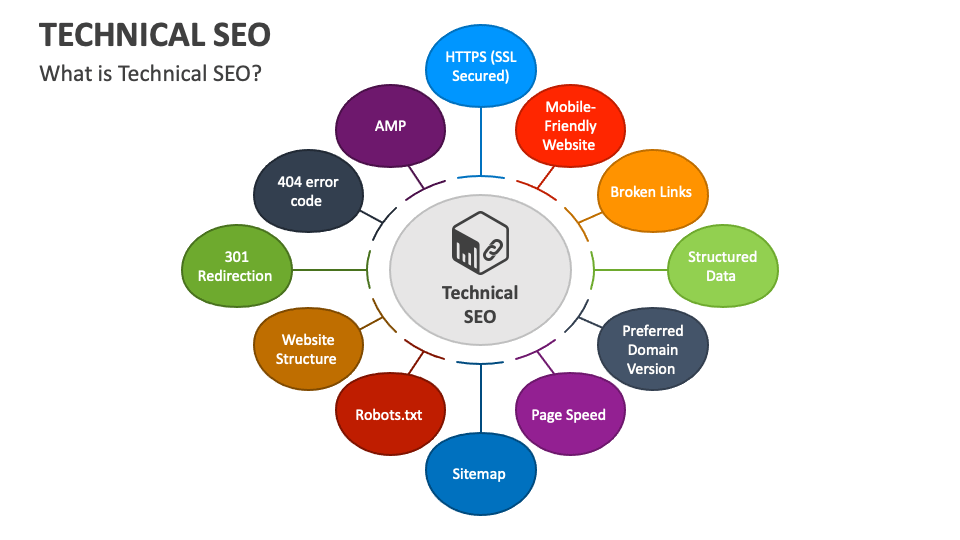
Even strong content will underperform if the technical foundation is weak. AI systems still rely on search infrastructure to access and interpret pages. GEO does not replace technical SEO but it depends on it. If your content is hard to access or parse, it will struggle in both traditional and generative search.
Common issues include:
- Slow loading speed
- Poor site structure
- Unclear HTML hierarchy
- Crawlability or indexing limitations
How To Do Generative Engine Optimization?
To do Generative Engine Optimization effectively, you need to structure your content around real user questions, write in an answer-first format, and ensure your pages are clear, well-organized, and technically accessible for AI systems to interpret and reuse.
1. Start with real buyer questions, not just keywords
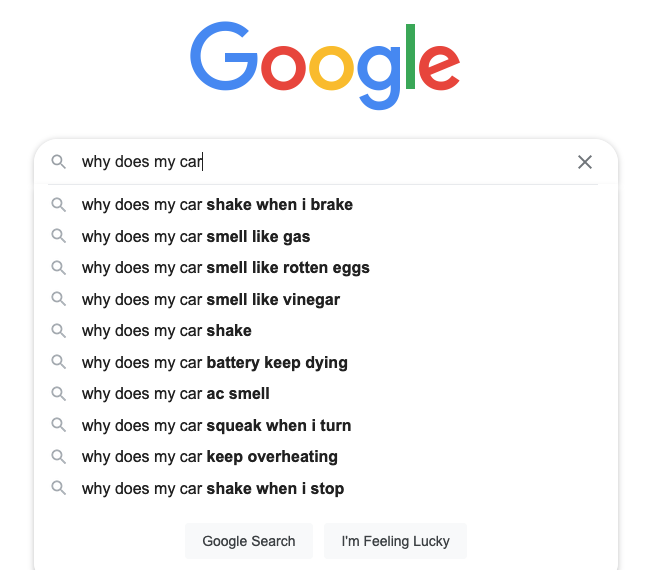
The first step is to move beyond keywords and focus on actual user decisions. Keywords often represent broad intent, but what matters in GEO is the layer underneath: what users are trying to figure out before they buy.
For example, a keyword like “best coffee grinder” becomes more actionable when broken down into:
- which grinder is best for espresso
- what works for beginners
- consistency vs speed trade-offs
- price range by user level
Mapping content to these decision points makes it more aligned with how AI systems understand and answer queries.
2. Write answer-first to improve extractability
Many ecommerce pages delay the core answer with introductions or branding language. This structure makes it harder for AI systems to extract useful information.
A stronger approach is:
- Answer the question clearly upfront
- Follow with explanation and context
- Support with details, examples, or comparisons
This improves both user experience and the likelihood of being reused in AI-generated answers.
3. Use structured content formats AI can interpret
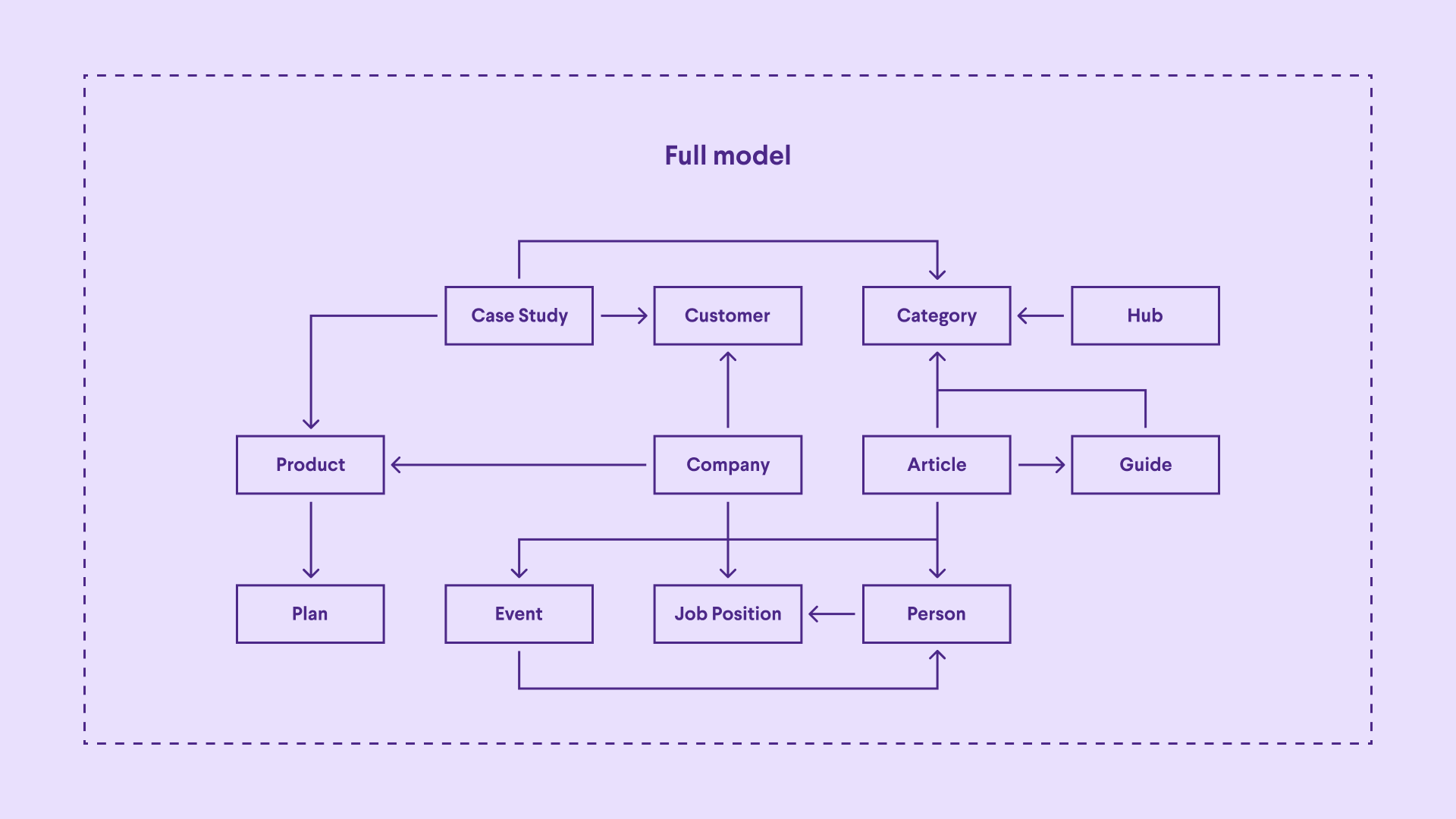
Content format plays a critical role in GEO. AI systems work better with content that is already organized into logical, digestible structures.
Effective formats include:
- Comparison tables and side-by-side analysis
- Buying guides and decision frameworks
- FAQ sections targeting real questions
- Pros and cons breakdowns
- Scenario-based recommendations
These formats align closely with how users ask questions and how AI systems generate summarized responses.
4. Build topical depth, not isolated pages
One piece of content is rarely enough to establish authority. GEO performs better when your site demonstrates consistent coverage of a topic.
A strong ecommerce content system typically includes:
- Product-level explanations
- Category and buying guides
- Use-case and scenario content
- Support and FAQ content
- Internal linking that connects these layers
This creates a clearer signal that your site is a reliable source, not just a transactional endpoint.
5. Strengthen technical and structural foundations
Content quality alone is not sufficient. It must also be accessible and interpretable at a technical level.
Key foundations include:
- Fast-loading pages
- Clear and descriptive headings
- Intentional internal linking
- Structured and accurate product data
- Clean site architecture and indexability
These elements make it easier for both search engines and AI systems to process your content.
6. Close the gap between content and execution
Understanding GEO is one thing, but executing it consistently is where most teams struggle. Many ecommerce sites already have valuable content, but it is often not structured, optimized, or technically strong enough to perform in generative search.
This is where tools like SearchPie become relevant. By improving on-page SEO, site structure, and performance, SearchPie helps ensure that content is not only useful, but also usable by AI systems. It closes the gap between insight and execution by turning content into something that can actually be discovered, interpreted, and reused.
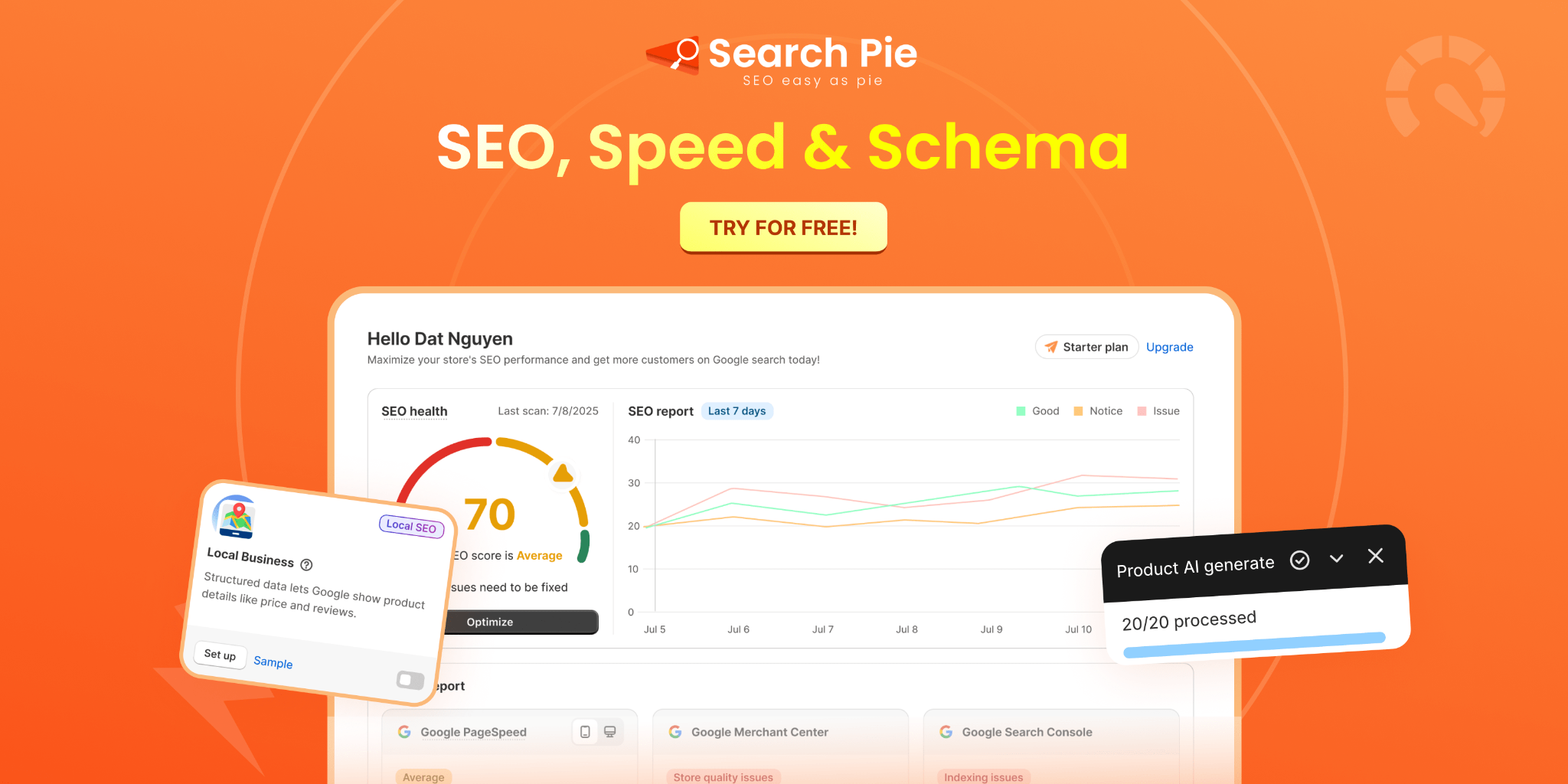
Key features:
- Standardize structured data for AI readability: Enable product snippets, FAQs, and breadcrumbs so AI systems can accurately understand and summarize your store content.
- Improve site structure for better AI navigation: Strengthen internal links, sitelinks, and hierarchy to help AI follow how your pages connect and prioritize key content.
- Boost trust signals for AI-driven discovery: Monitor backlinks and sync Google Business Profile to reinforce credibility and authority in AI search results.
- Fix Merchant Center issues to unlock shopping visibility: Ensure product feeds are error-free and connected, so your products are not excluded from AI-powered shopping results.
- Control how AI reads your store with LLM.txt: Add LLM.txt to guide how your content is accessed, summarized, and cited across generative engines.
Conclusion
The rise of Generative Engine Optimization does not mean traditional SEO no longer matters. For ecommerce brands, this shifts the focus from producing more content to producing content that is clear, structured, and decision-ready. And with the right foundation, it becomes a scalable way to turn visibility into real growth.
FAQs
Generative Engine Optimization (GEO) is the process of optimizing content so AI systems can understand it, trust it, and use it in generated answers, not just rank it in search results.
GEO is important because more buying decisions now happen inside AI-generated responses. If your content is not included in those answers, you lose visibility at a critical decision stage before users reach your site.
GEO works by improving how AI systems interpret content across three areas: clarity (structure and language), usefulness (alignment with user intent), and trust (credibility and specificity).
To implement GEO, focus on real buyer questions, write in an answer-first format, use structured content (like comparisons and FAQs), build topical depth, and ensure strong technical SEO.
Generative engine optimization applies to platforms where content is summarized into answers, including AI assistants (like ChatGPT, Perplexity), AI-powered search engines, voice assistants, and ecommerce recommendation systems.