
Taking a glance across the Shopify Community, one issue appears again and again: merchants want to apply automatic discounts based on customer tags such as VIP, wholesale, or loyalty groups.
This becomes a challenge because Shopify does not natively support customer-tag–based automatic discounts on most plans. This article outlines the current limitations of Shopify automatic discounts and explains how to manage performance risks when implementing discounts.
Summary:
- Section 1: We’ll start by clarifying what Shopify automatic discounts can (and cannot) support today, why customer-tag–based discounts are limited on most plans, and how this gap impacts real merchant workflows.
- Section 2: You’ll explore the comparison of two official paths merchants have: Upgrading to Shopify Plus or Using Third-party discount apps with their trade-offs in cost, flexibility, performance, and scalability.
- Section 3: Looking for practical solutions right now? We’ll break down community-tested temporary workarounds, including theme-based logic and controlled discount code setups, with clear pros and cons for each approach.
- Section 4: Finally, we’ll cover why performance optimization matters after implementing discount logic and how tools like SearchPie help merchants keep their stores fast, stable, and SEO-friendly as promotions scale.
Shopify Automatic Discounts: What Can Shopify Actually Support Right Now?
For a long time, Shopify automatic discounts have long supported promotions based on products or collections, purchase quantities, and total order value. These discounts are easy to set up from the admin dashboard and work well on standard Shopify plans. However, there is one major limitation: automatic discounts cannot be applied based on customer tags.
On Shopify, customer tags are mainly used to:
- Organize and segment customers
- Run email or CRM campaigns
- Apply manual discount codes
However, this advanced type of discount is only available on Shopify Plus, where merchants can set more complex rules and customize how discounts work during checkout. Shopify keeps this feature on Plus to ensure checkout remains stable and performs well for most stores.
However, the way merchants use discounts today has changed. Many stores now run VIP programs, wholesale pricing, or loyalty rewards and want Shopify automatic discounts to be applied automatically for specific customer groups. As customer segmentation and loyalty programs become standard expectations, this limitation is no longer a niche concern. It’s a growing blocker for everyday Shopify merchants. Despite years of discussion and repeated requests, this limitation still affects thousands of active Shopify stores today. Yet for non-Plus stores, there is still no built-in solution.
Shopify Automatic Discounts: What Options Do Merchants Officially Have & Their Trade-offs?
Due to the limitations of Shopify automatic discounts for customer tags, most merchants end up choosing between two common options: upgrading to Shopify Plus or using a third-party automatic discount app. Each option solves the problem in a different way and comes with clear trade-offs in terms of cost, flexibility, and store performance. In practice, these two options cover almost every path available to merchants today. Understanding these differences helps merchants choose the right approach based on their store size, budget, and long-term goals.
Shopify Automatic Discounts: Are There Any Temporary Workarounds That Actually Work?
Instead of relying on native Shopify automatic discounts, many store owners have to combine manual steps, theme logic, or conditional setups just to achieve basic customer-level pricing. This reflects a growing need, as customer-tag–based automatic discounts have become critical for VIP, wholesale, and loyalty use cases. These workarounds are not ideal solutions, but they clearly reflect how far merchants are willing to go to work around a missing native feature.
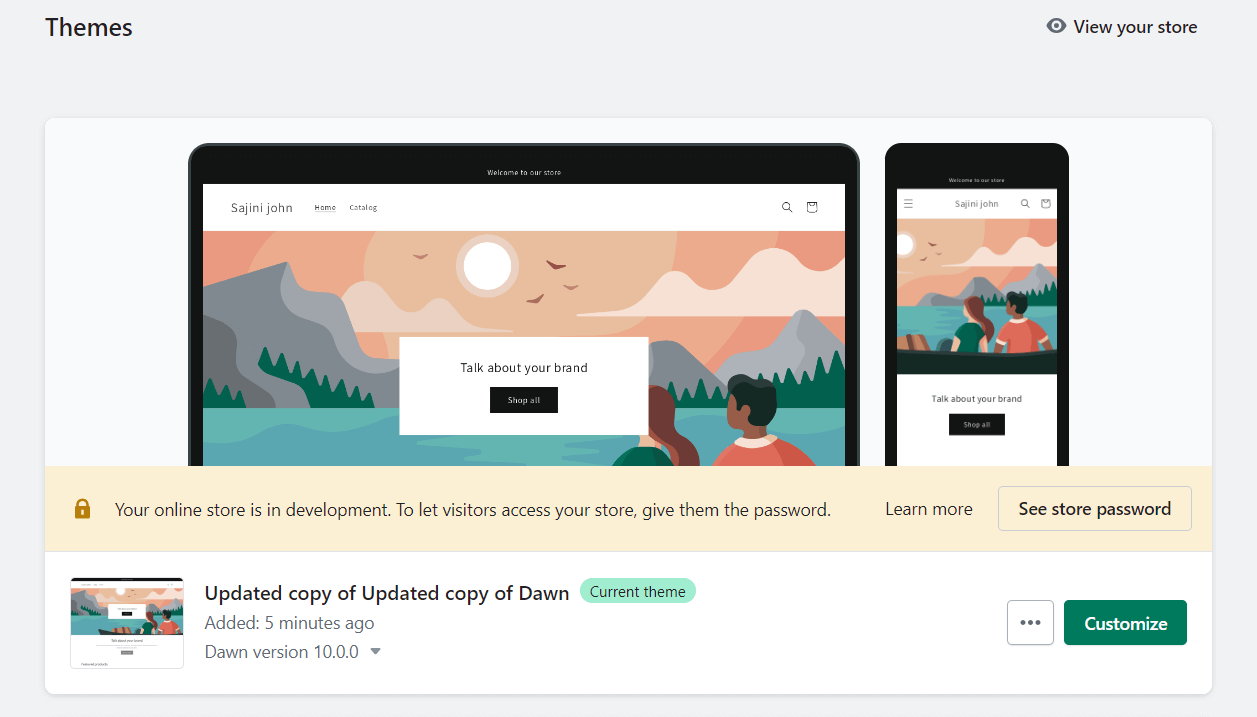
1. Auto-Applying Discount Codes For Tagged Customers (Theme-Based Logic)
Pros
- Feels like an automatic discount for tagged customers
- Does not require upgrading to Shopify Plus
- Keeps discount logic relatively lightweight
- Widely tested and refined by merchants on non-Plus stores
Cons
- Requires theme customization
- Still relies on discount codes, not true automatic discounts
- May break if theme or checkout behavior changes
2. Showing Discounted Prices Only To Tagged Customers
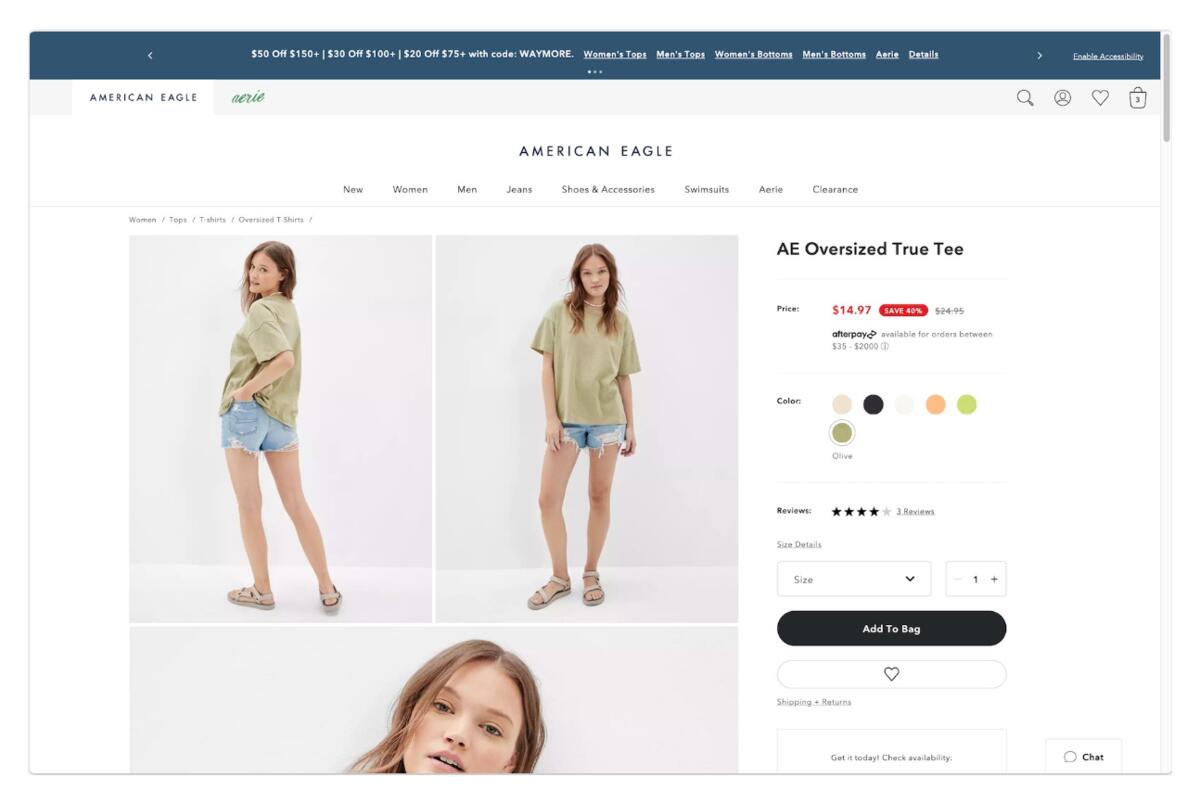
With this approach, the store displays adjusted prices on product or cart pages only when a customer with a specific tag is logged in. The checkout price itself does not change, but the customer sees the discounted price earlier in the shopping journey.
Pros
- Works well for wholesale or VIP stores.
- No changes to checkout logic.
- Gives customers early price visibility.
Cons
- Discount is not applied automatically at checkout.
- Can confuse customers if displayed prices differ from checkout prices.
- Requires clear communication and careful UX handling.
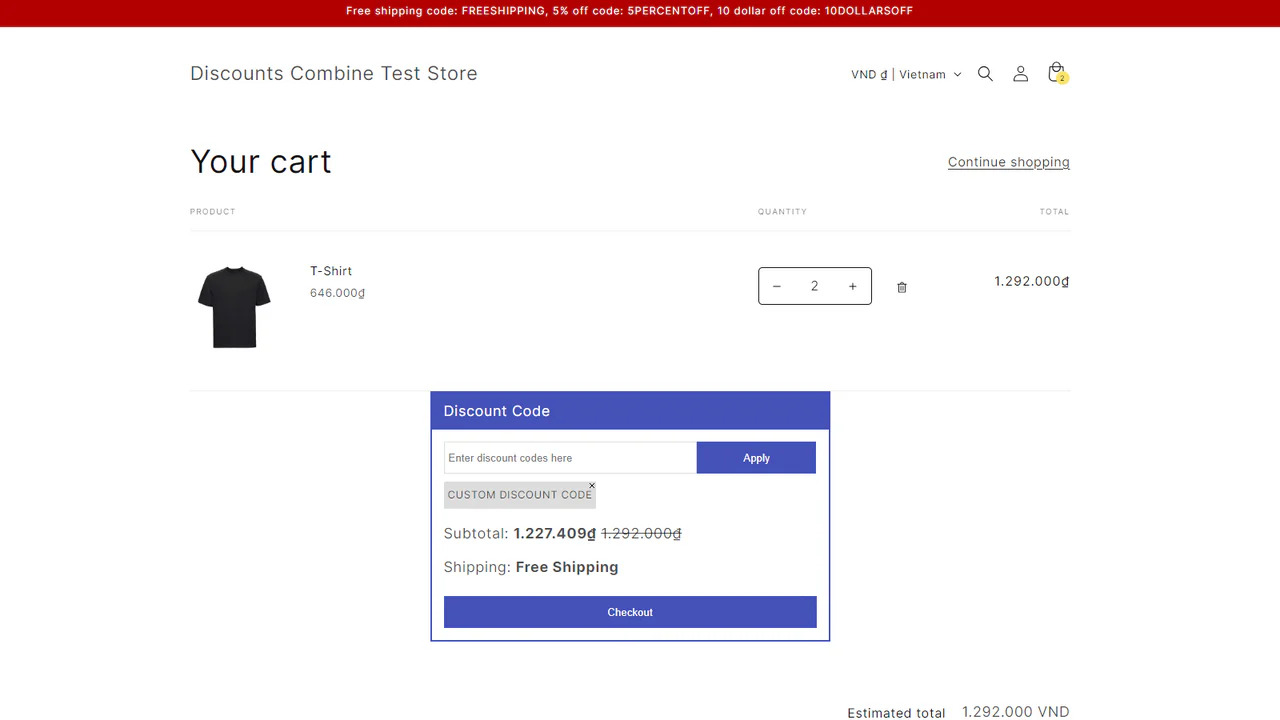
3. Combining Customer Tags With Manual Discount Codes
Pros
- Very low risk to store performance.
- Easy to control and manage.
- No theme customization or additional apps required.
Cons
- Not a true automatic discount experience.
- Requires manual steps for customers.
- Less scalable for large or frequent promotions.
Extended Insights: How to Maintain Store Performance After Adding Shopify Automatic Discounts?
After setting up one of these temporary solutions for Shopify automatic discounts, the next important step is making sure your store stays fast and stable. Even small changes like added logic, scripts, or conditional pricing can affect page load speed over time. That’s why ongoing performance optimization should be part of your discount strategy, not an afterthought.

SearchPie, the best Built-for-Shopify SEO solutions, helps merchants monitor site speed and SEO health continuously, so your store remains optimized as you run promotions and scale. With real-time insights and automated checks, merchants can quickly spot technical issues, broken links, or speed bottlenecks before they affect traffic and conversions. Instead of reacting to problems after performance drops, you stay proactive by keeping your store stable, search-friendly, and ready for growth.
Main features:
- Protect store performance while scaling promotions and campaigns.
- Detect performance risks early after adding new logic or scripts.
- Identify SEO issues before they impact traffic and rankings.
- Monitor site speed continuously without manual checks.
- Stay focused on growth and marketing without sacrificing user experience.
Conclusion
The limitation of Shopify automatic discounts highlights a bigger opportunity: merchants are no longer satisfied with one-size-fits-all promotions. The ongoing discussions in the Shopify Community make it clear that this is not a temporary concern, but a structural gap in how discounts work today. Whether through native improvements or smarter tools in the Shopify ecosystem, there is clear room for innovation. Giving merchants more creative, performance-safe ways to work with discounts will unlock new growth opportunities without forcing them to choose between flexibility and store stability.
FAQs
1. Can Shopify automatic discounts be applied to customers with specific tags?
Currently, Shopify’s native automatic discount system does not support discount rules based on customer tags on most plans. Customer-tag–based conditions are only available via custom logic on Shopify Plus or through workarounds and third-party solutions.
2. What options do I have if I want automatic discounts for tagged customers?
Each path has trade-offs in cost, performance, and complexity. Merchants typically choose between:
- Upgrading to Shopify Plus: for native customer-tag discount support.
- Using a third-party automatic discount app: that can apply discounts based on tags.
3. Why doesn’t Shopify support tag-based automatic discounts on all plans?
Shopify limits tag-based automatic discount logic to Shopify Plus in order to protect checkout stability and performance for most stores. Allowing more advanced rules at the core checkout layer can introduce complexity and risk, so Shopify reserves this capability for enterprise-level plans.
4. Are there any workarounds to apply tag-based discounts without Plus or apps?
Yes, these aren’t true automatic discounts but can simulate similar behavior. Community-shared workarounds include:
- Auto-applying discount codes via theme logic for tagged customers.
- Displaying adjusted prices for tagged customers before checkout.
- Using customer tags with restricted manual codes.
5. Will using workarounds or third-party apps affect my store performance?
They can. Custom theme logic or injected scripts from some apps may impact page load speed or checkout stability. That’s why performance optimization and ongoing monitoring are important, especially as you add more custom logic.