

Link equity (also known as “link juice”) is the value passed from one webpage to another through links. It influences SEO rankings because pages that receive more high-quality links gain more authority and are more likely to rank higher in search results.
This guide will walk you through everything you need to know to keep your link equity flowing in the right direction.
Key Takeaways:
- High-quality backlinks pass the most link equity
- Internal linking helps distribute authority
- Fewer outbound links increase link value
- Strong content naturally attracts links
What Is Link Equity?
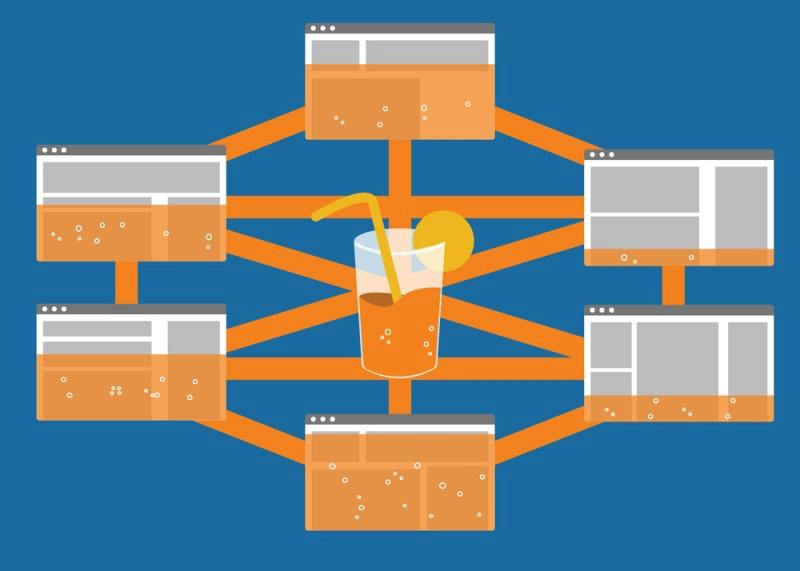
Link equity is the value passed from one page to another through links.
Not all links pass link equity in the same way. Here are the main types of links that influence how value is transferred:
1. Dofollow Links
These links pass links from one website to another. Dofollow links are the most common type used in backlink building.
In contrast, nofollow links do not pass links. These links instruct search engines not to consider them for ranking purposes. While they don’t boost SEO rankings, they can still drive traffic.
Internal links are the bridges within your website. They connect one page to another, allowing search engines to understand which pages are most important while passing link equity along the way. For visitors, these links also act as a guide, making your site easier to explore and navigate.
Among these, dofollow links and contextual internal links typically pass the most link equity.
When learning about link equity, you’ll often see related terms like PageRank and link juice. While they are closely connected, they are not exactly the same.
- PageRank is the original system Google uses to calculate authority
- Link equity is how SEOs describe that value in practice
- Link juice is a simplified way to explain it
Here’s how link equity compares to related concepts:
How Link Equity Works
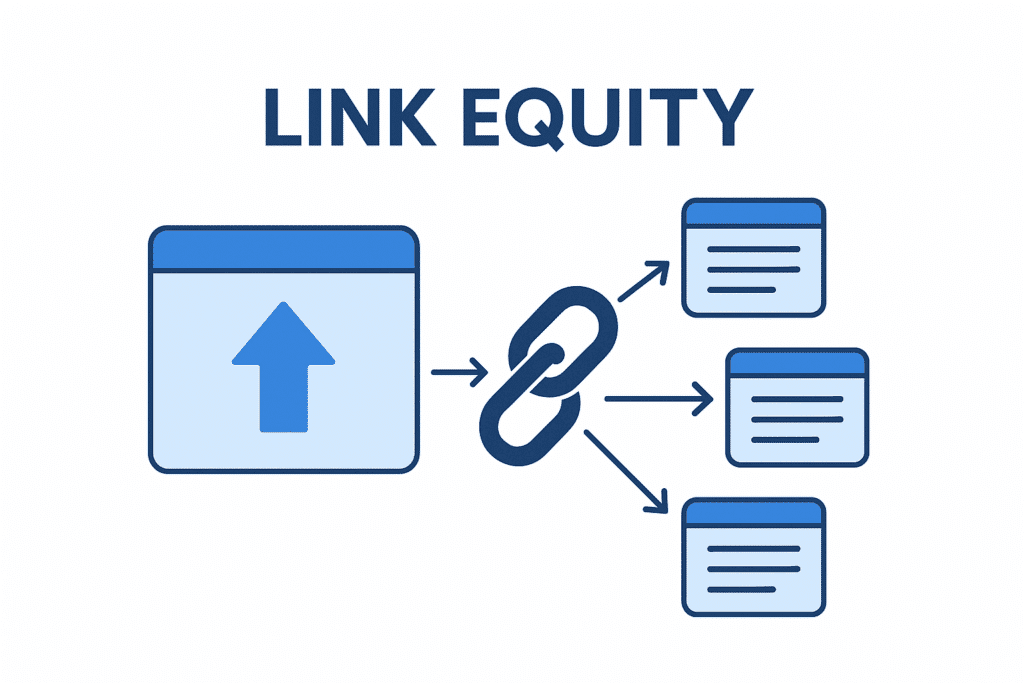
Link equity is passed from one page to another through hyperlinks. When a page links to another page, it transfers a portion of its authority, helping the linked page gain more visibility in search engine rankings.
In general, the more high-quality links a page receives, the more link equity it accumulates. However, not all links pass the same value. Links from authoritative, relevant websites typically transfer more equity than links from low-quality or unrelated sources.
Link equity can flow through both external links (from other websites) and internal links (within your own site). External links help build overall domain authority, while internal links distribute that authority across different pages, helping search engines understand your site structure and prioritize important content. It’s also important to note that link equity is divided among all outgoing links on a page. If a page links to many different pages, each link passes a smaller share of authority.
Why Link Equity Matters for SEO
Link equity plays a crucial role in how search engines evaluate and rank your pages. When your website receives links from authoritative and relevant sources, it gains more trust in the eyes of search engines, increasing its chances of ranking higher in search results.
The more high-quality links you receive, the stronger your SEO performance becomes:
1. Improve Page Rankings
Pages receiving more links are perceived as more authoritative, improving their rankings in search engine results. However, not all links are equal:
- Links from high-authority domains pass more value
- Dofollow links transfer link equity, while nofollow links typically pass little to none
- Contextual links (within content) are more valuable than footer or sidebar links
As a result, stronger link equity leads to higher rankings in search results.
2. Helps Search Engine Discover and Index Content
Link equity also plays a key role in how search engines crawl your site. When pages are well-linked:
- Crawlers can discover new pages faster
- Important pages receive more crawl priority
- Orphan pages (no internal links) are less likely to be indexed
Without proper linking, even high-quality content may remain invisible.
3. Distributes Authority Across Your Website
Internal linking allows you to control how link equity flows within your site:
- Linking from high-authority pages boosts weaker pages
- Strategic linking improves overall site structure
- Helps search engines understand content relationships
This is why internal linking is one of the most underrated SEO strategies.
What Factors Affect Link Equity?
Link equity is influenced by several key factors that determine how much value is passed from one page to another. Instead, it is influenced by several key factors that determine how much value is passed from one page to another.
- Authority of the linking page: Links from high-authority websites transfer more value than those from low-quality or new sites.
- Relevance of the linking content: Links from pages closely related to your topic carry stronger SEO signals.
- Link placement: Contextual links within the main content are more valuable than links in footers, sidebars, or navigation menus.
In addition to link quality, how links are distributed also affects the amount of equity passed.
- Number of outbound links: The more links a page has, the more its link equity is divided among them.
- Internal linking structure: A well-organized internal linking system helps distribute authority effectively across your site.
- Follow vs. Nofollow links: Dofollow links pass link equity, while nofollow links typically pass little to no ranking value.
Once you understand how link equity works, the next step is improving it.
How To Increase and Optimize Link Equity?
Understanding link equity is only the first step. To improve your SEO performance, you need to actively build and distribute link equity across your website. This involves a combination of external backlinks, internal linking, and content quality.
1. Earn High-Quality Backlinks
Backlinks are the main source of link equity. Links from authoritative and relevant websites pass significantly more value than low-quality sources. Focus on quality over quantity by using strategies such as guest posting, digital PR, and partnerships. In many cases, a single strong backlink can outperform dozens of weaker ones.
2. Optimize Internal Linking Structure
Internal links help control how link equity flows across your website. By linking from high-authority pages to important pages, you can strengthen key content and improve overall site performance. Use clear anchor text, avoid orphan pages, and organize content into topic clusters to maximize impact.
3. Create High-Quality, Link-Worthy Content
High-quality content is essential for earning link equity naturally. Publishing in-depth guides, original research, or problem-solving content increases your chances of attracting backlinks. Well-structured and regularly updated content also improves both user experience and SEO performance.
4. Strengthen Your Site Authority Over Time
To sustain link equity over time, you need to monitor and maintain your site. Fix broken links, remove low-quality backlinks, and ensure your website performs well technically. As your domain authority grows, each new link will carry more value and contribute more effectively to your rankings.
Tools For Link Equity Optimization
1. Ahrefs
Ahrefs is a comprehensive SEO tool designed to help businesses and digital marketers improve their website’s search engine performance. Known for its powerful backlink analysis and keyword research capabilities, Ahrefs has become one of the most trusted tools in the SEO industry.
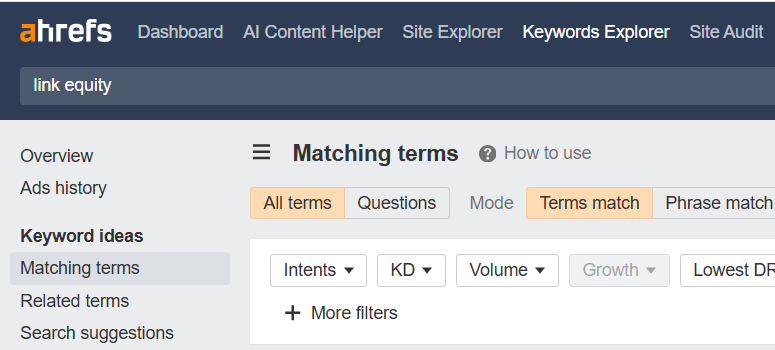
Ahrefs provide users with detailed insights into backlink analysis, keyword research, and overall website performance.
2. SearchPie: SEO, Speed & Schema

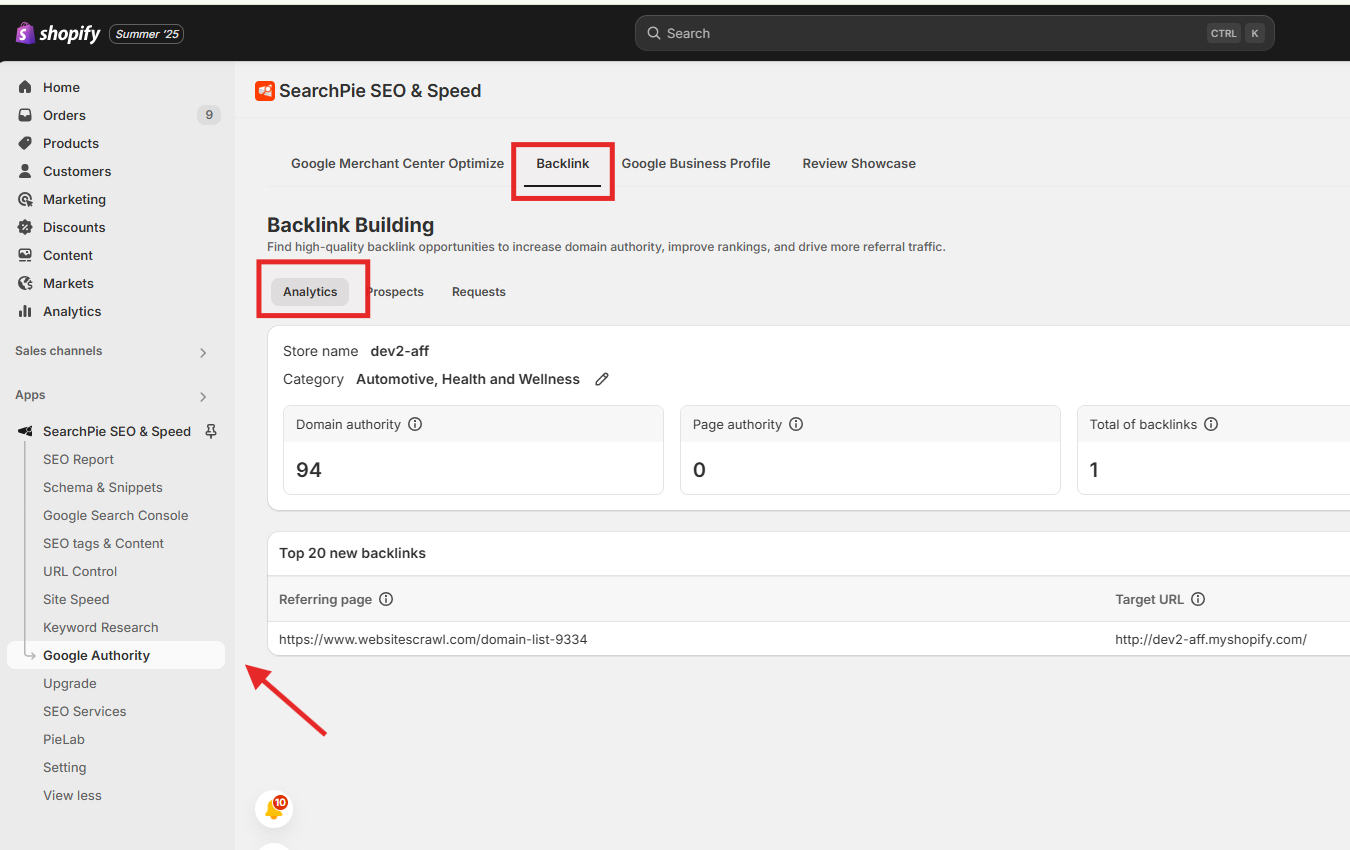
Tools like SearchPie can help you monitor backlinks, fix broken links, and optimize internal linking more efficiently.
After installing the app, you can go to the Google Authority > Backlinks and then choose the Analytics tab to first check your overall backlinks’ status.
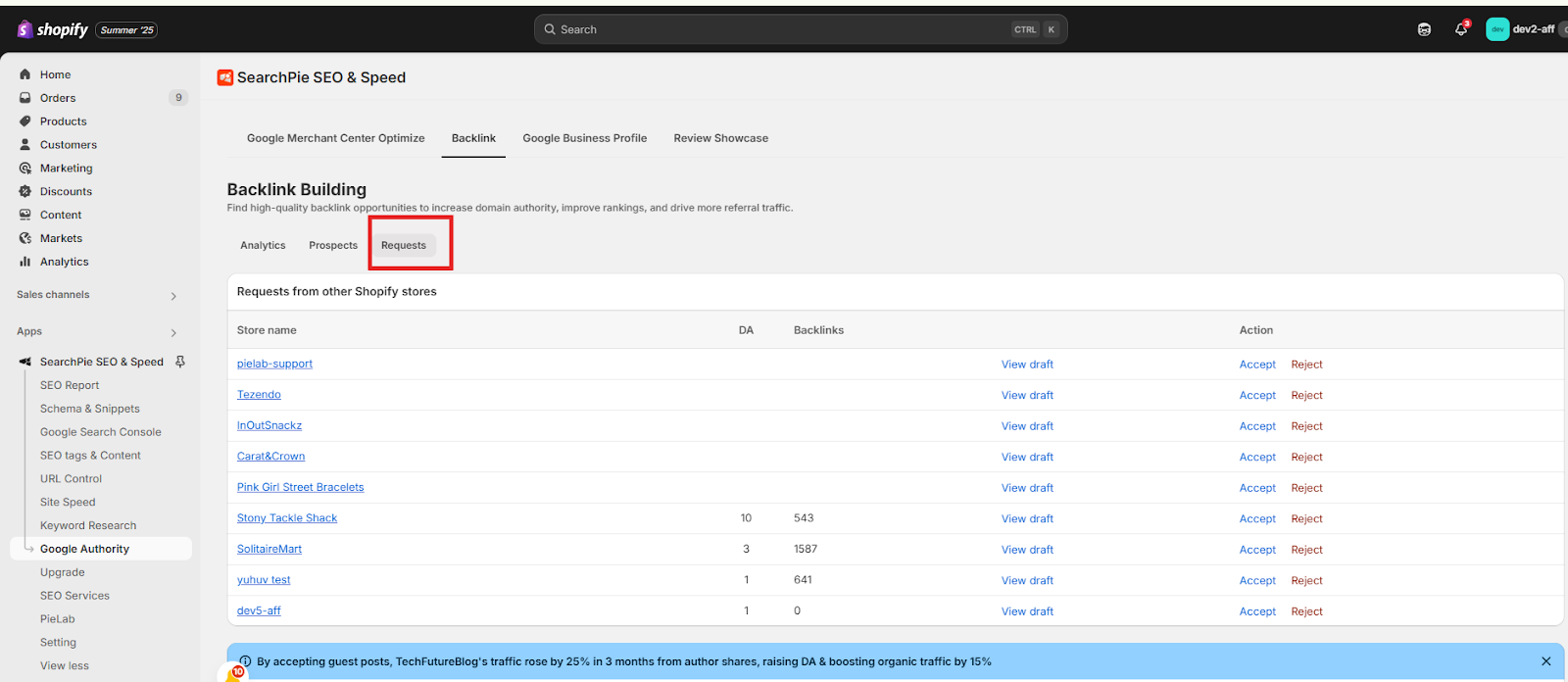
To check if there is any store you wish to submit articles to and exchange backlinks on your store website, please go to the Requests section for further check. You should check their DA, total backlinks, and view their draft articles carefully before deciding to reject or publish their articles on your website.
Summary
Focusing on link equity, you can add value in your SEO strategy. By understanding how links flow and implementing strategies such as acquiring high-quality backlinks, optimizing internal links, and maintaining a clean link profile, you can maximize the value of your site.
FAQs
Link equity is the value or authority passed from one webpage to another through hyperlinks, helping search engines determine how important a page is.
Link equity flows through links, where pages transfer authority to other pages based on factors like link quality, relevance, and link type.
Key factors include the authority of the linking page, relevance, dofollow vs nofollow links, link placement, and internal linking structure.
Link equity improves rankings, helps search engines discover pages, and distributes authority across your website for better overall SEO performance.
You can increase link equity by building high-quality backlinks, optimizing internal links, and creating valuable, link-worthy content.







Pingback: Shopify vs. Other eCommerce Platforms: Which Is Best? - CodeGrape Community Blog
Pingback: Link Equity Explained: How Authority Flows Through Your Website - Brandella Journal